


Jul 27, 2026 7:00 AM
Updated Jul 31, 2026 11:43 PM
Once you are arrested, two rights carry real weight: the right to remain silent and the right to an attorney.
A traffic stop, a knock at the door, or a few minutes of questioning can shape a drug case. Choices such as whether you consent to a search or keep talking after arrest often matter more than people expect. This article is general information, not legal advice, and does not replace advice about your situation.
The rules around drug charges and constitutional rights continue to shift. Courts are looking closely at digital privacy and location data, federal fentanyl policy changed after a 2025 law, and marijuana rescheduling remains a developing federal issue. Knowing where a defense attorney steps in can help you protect your rights and reduce long-term harm.
Where an attorney steps in first: the stop and the search
Most drug cases begin with a stop or search, so an attorney's review often starts there. A key distinction is consent versus probable cause. If you agree to a search, officers may not need a warrant or probable cause for that search. Many lawyers suggest saying calmly: “I do not consent to a search.” You can do that while following lawful orders.
The Supreme Court has limited how long a traffic stop can last. In Rodriguez v. United States, the Court held that police may not extend a completed traffic stop to run a drug-sniffing dog unless they have reasonable suspicion of separate criminal activity. In Arizona v. Gant, the Court limited vehicle searches after an arrest to situations where the person arrested could reach the vehicle or where evidence of the arrest offense is likely inside.
Related stories
After arrest: your silence and your right to counsel
Once you are arrested, two rights carry real weight: the right to remain silent and the right to an attorney. Miranda protections apply to custodial interrogation, meaning questioning while you are in custody. Invoking those rights clearly matters because vague statements can create confusion about whether you actually asked for a lawyer.
The practical move is to say you want a lawyer, then stop talking. Statements taken after you clearly invoke counsel may be challenged later. Officers may keep asking questions or suggest that cooperation will help you. A defense attorney can review whether your rights were honored and whether anything you said should be kept out of court.
Your phone and your location data
Digital evidence now sits at the center of many drug cases. Under Riley v. California, police generally need a warrant to search the digital contents of a phone seized during an arrest. Text messages, apps, photos, and search history are not automatically open to review just because you were detained.
Location data is also receiving closer attention. Recent geofence and location-history cases have pushed courts to examine whether broad data requests satisfy the Fourth Amendment. A defense lawyer may question whether a warrant was supported by probable cause, whether it was specific enough, and whether it swept in unrelated people.
How drug cases are built, and where they break
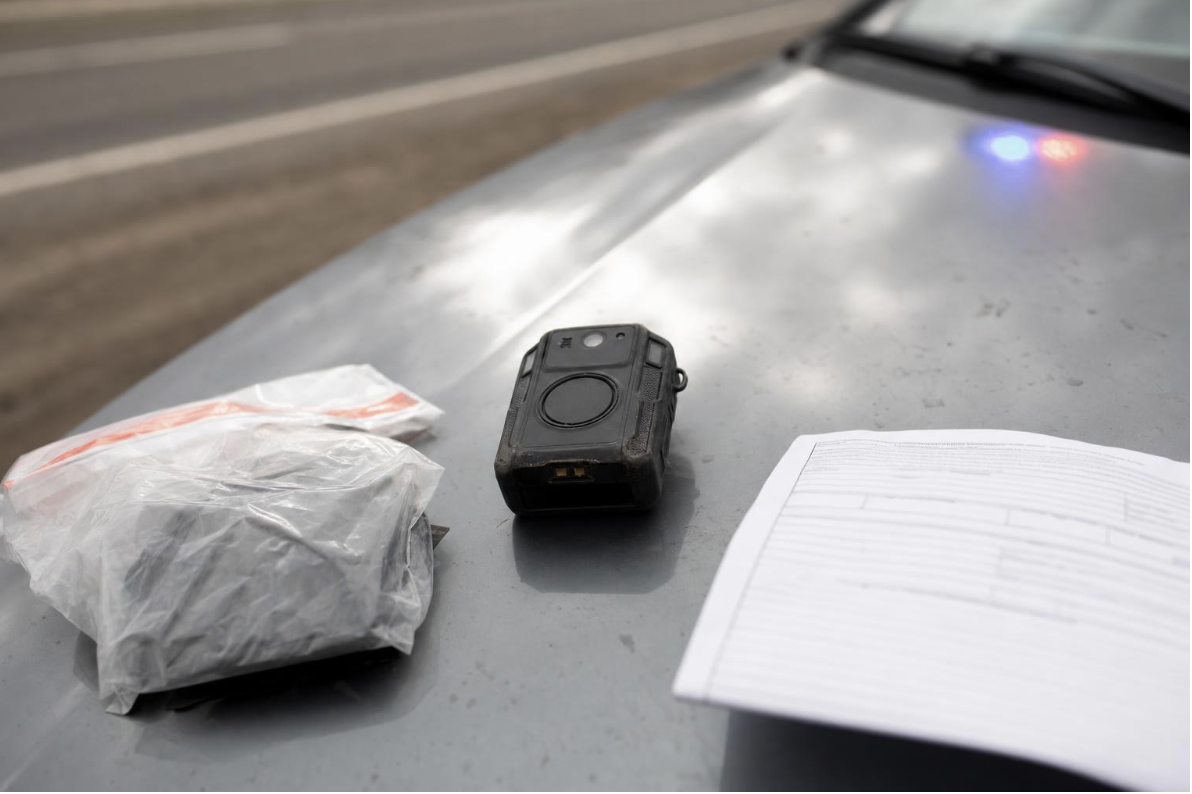
Typical evidence includes the stop report, body-camera footage, field tests, lab results, and digital messages. Each piece can be examined for weaknesses. Field tests are fast but imperfect, and lab methods can be challenged when the testing process or chain of custody is unclear.
Federal headwinds worth knowing
Federal policy has tightened around certain substances. The HALT Fentanyl Act became Public Law 119-26 in July 2025, permanently placing fentanyl-related substances in Schedule I. In April 2026, the U.S. Sentencing Commission adopted amendments related to the law, with an effective date of November 1, 2026 unless Congress acts.
These changes do not alter your constitutional rights, but they can affect charging decisions, plea discussions, and sentencing exposure. Marijuana policy is also in flux at the federal level, while many states follow their own rules. That split can make the charge details and jurisdiction especially important.
Immigration and student stakes
For non-citizens, a drug conviction can be especially costly. Under federal immigration law, a person convicted of a controlled-substance offense is generally deportable. There is a narrow exception for a single possession offense of 30 grams or less of marijuana for personal use. Anyone who is not a citizen should speak with a lawyer before making decisions in a drug case.
Students face separate risks that vary by school and program, including academic discipline, effects on financial aid, and housing consequences. These outcomes are not automatic in every case, but early legal advice can help prevent avoidable mistakes.
Record clearing and diversion vary by state
Many states offer diversion programs or expungement routes, but the rules differ widely. Eligibility often depends on the charge, prior record, age, and case outcome.
North Carolina offers a useful state-specific example. The state places marijuana in its own Schedule VI, separate from the federal schedule. North Carolina also provides expunction options for certain first-time drug cases, including some involving people under 21. Eligibility is narrow and results are not guaranteed, so local counsel can explain what applies. Those future consequences can make drug possession penalties important to understand before a plea.
When to call a lawyer, and what they do
An attorney's job is to test the government's case and protect your interests at each stage. In practice, that can include:
- Challenging stops and searches that lacked reasonable suspicion or probable cause.
- Moving to suppress statements taken after you invoked your rights.
- Contesting overbroad digital searches, including geofence data.
- Questioning lab methods and evidence handling.
- Negotiating diversion or reduced charges where available.
- Protecting immigration-related interests before any plea.
If you are in the Raleigh or Wake County area, a local drug crime attorney can assess search-and-seizure issues, review the evidence, and explain the likely consequences of each option. Getting guidance early is often safest because some decisions are difficult to undo once they are made.
Frequently asked questions
Can I refuse a car search during a stop?
Yes. You can decline consent. Officers may still search if they have probable cause or another legal basis, but your refusal preserves an issue for review. Arizona v. Gant limits certain searches after arrest.
Comments

Powered by RoundtableAn AI/DeFi-powered Enterprise Media Operating System. Learn more at Roundtable.io.© Roundtable 2026. By using this site you agree to the Terms of Use and Privacy Policy