
Operation Triple Beam • Attribution (CC BY 2.0) Flickr


Apr 13, 2026 7:00 AM
Updated Apr 18, 2026 3:12 AM
Enforcement-heavy drug policies in urban slums often miss the deeper crisis of poverty, stress, unstable work, and untreated mental health needs that keep addiction cycles alive.
The raid makes headlines. The crisis stays put.
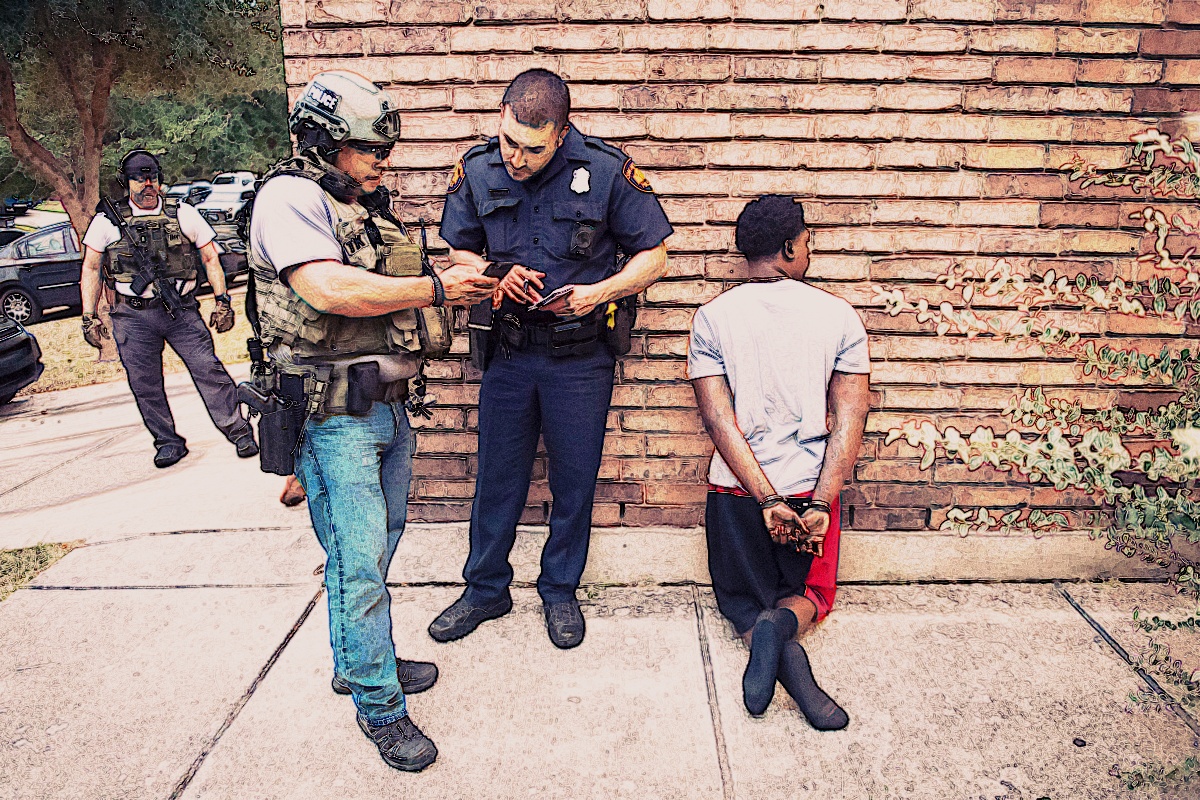
Drug crackdowns are easy to photograph. Police tape. Flashing lights. Rows of confiscated packets on a table. Officers standing in formation as if the whole thing proves control has returned. It looks decisive. It looks serious. And that is part of the problem.
The public sees action. Politicians get to say they acted. News cycles move on. But if you look at what actually happens in many urban slums, the basic conditions that feed drug use barely shift at all. The stress is still there. The hunger is still there. The unstable work is still there. The fear is still there. So the market returns, often within days, because the pressure that created it never left.
That is the piece that enforcement-first policy keeps skipping over. It treats drug use like a self-contained moral failure or a criminal outbreak, when in many poor communities it is tied to something far messier and more ordinary. Daily survival. Long-term stress. Crowded living conditions. Broken sleep. Low wages. No wages. Trauma that never gets named because nobody has the time or money to stop and name it.
If you only count arrests, you can tell yourself a neighborhood is being cleaned up. If you count what families actually live through, the story looks very different. It looks less like a crime wave and more like a public health collapse unfolding in plain sight.
Related stories
What people call a drug problem is often a life problem
When officials talk about drugs in poor urban areas, the language gets narrow very fast. Dealers. Users. Crime. Repeat offenders. High-risk zones. But life in a slum does not happen in tidy categories. Everything overlaps. Housing pressure affects family stress. Family stress affects mental health. Mental health affects work. Work affects food. Food affects sleep. Sleep affects decision-making. Then drugs enter that chain, not as some random outside force, but as one more piece in a system already cracking under weight.
That does not excuse harm. It explains it.
A person living in a crowded informal settlement may work twelve hours one day and get nothing the next. They may be supporting children, siblings, or aging parents. They may be living next to violence, dealing with chronic anxiety, or carrying grief that never had space to breathe. Under those conditions, the line between coping and self-destruction gets thin. Very thin.
Stress does not always look dramatic
People often imagine a crisis as one shocking event. A shooting. An overdose. A collapse in the street. But in poor neighborhoods, crises are often slow and repetitive. It is the unpaid bill. The landlord pressure. The informal job that disappears without warning. The noise that never stops. The humiliation of needing help again. The constant sense that one bad week can break the whole household.
That kind of stress changes behavior. It wears down judgment. It shortens the future. You stop planning for next year because this week is already too much. And when people live in that state for months or years, substances can start to feel less like a reckless choice and more like a rough tool for getting through the day, the shift, the night, the panic.
Poverty is not a side note. It is the setting.
This is the part public debate loves to blur. Drug use does not happen in a vacuum, and urban slums are not just unfortunate backdrops. Poverty shapes exposure, access, vulnerability, and recovery. It affects whether you can leave a harmful environment, whether you can get treatment, whether you can miss work for care, whether your family can absorb one more crisis without folding.
That is why tough talk feels so hollow on the ground. The policy speaks as if the main issue is lawlessness. Residents often know the deeper issue is abandonment.
Arrests change the optics, not the underlying math
Crackdowns are built on a simple belief: remove enough people, create enough fear, and the problem will shrink. That can produce short-term disruption. Streets go quieter for a moment. Some sellers disappear. People lie low. Officials point to lower visible activity. On paper, that can look like movement.
But the math under it is weak.
Where addiction, stress, and economic desperation remain high, the supply chain rarely disappears. It just adjusts. One seller gets taken, another steps in. One block is watched, business shifts to a side street. One substance gets scarce, another cheaper or riskier one fills the gap. Crackdowns often rearrange the market more than they reduce it.
And then there is the family cost, which almost never gets counted with the same urgency as arrests. When a wage earner is jailed, even briefly, households lose income. Children lose routine. Debts stack up. Fear grows. In some cases, the arrest itself becomes the next trauma that keeps the cycle moving.
The neighborhood learns to expect force, not care
That lesson matters. In communities with repeated enforcement sweeps, people often become skilled at one thing above all: avoiding institutions. They do not trust the police. They often do not trust clinics either, especially if public systems feel judgmental, inaccessible, or tied to surveillance. So the very people most at risk become the least likely to seek help early.
This is one reason alcohol misuse remains so destructive in low-income communities even when public conversation stays fixed on illegal drugs. Alcohol is legal, common, and woven into daily stress relief, yet its damage can spread quietly through households for years. The people affected often need structured care, not slogans, and that is exactly why resources connected to Alabama Drug Rehab matter in the broader discussion. They reflect a reality policymakers often avoid saying plainly: addiction does not respond well to punishment pretending to be treatment.
That point should not be controversial, but somehow it still is.
The real emergency is mental health, and it is hiding in plain sight
If you spend time listening to stories from poor urban communities, a pattern shows up again and again. People talk about substance use, yes. But underneath that, they describe panic, grief, numbness, rage, insomnia, shame, and burnout. They describe minds under siege.
Mental health gets pushed to the margins in drug policy because it complicates the neat story. Once you admit that untreated depression, trauma, and chronic stress sit close to addiction, the crackdown model starts to look painfully incomplete. It can pick up bodies. It cannot repair the damage that made those bodies vulnerable in the first place.
And in slum communities, that damage accumulates early. Children grow up around instability. Teenagers absorb violence as normal background noise. Adults age fast under pressure. By the time public systems notice, many people are not dealing with one issue. They are dealing with five or six at once.
Trauma does not need a headline to be real
A lot of public policy still treats trauma as something dramatic and exceptional. But trauma in urban poverty is often routine. It is the constant threat of eviction. It is food insecurity. It is domestic conflict in a room with no privacy. It is seeing overdose, assault, or police violence and then going to work the next morning because what else are you supposed to do?
That kind of repeated exposure changes people. It can make emotional regulation harder. It can make escape feel necessary. It can make substances feel like a pause button, even when that pause comes with a steep price later.
This is why treatment cannot be reduced to detox alone or to one emergency intervention after another. People need ongoing support that fits the reality of their lives. They need care that accounts for work schedules, money constraints, family obligations, and the fact that not everyone can disappear into a residential setting. Access to Behavioral Health Outpatient Services speaks to that gap. It points to a model that takes daily life seriously, which is more than many enforcement-heavy policies can say.
When policy wants a villain, it stops seeing the neighborhood
There is also a deeper political habit at work here. Crackdowns thrive on simple characters. The dealer. The addict. The gang member. The troubled block. These figures make public anger easier to direct. They also make it easier to avoid harder conversations about labor, housing, healthcare, and urban neglect.
Because once you really look at urban slums, the drug story stops being only about criminality. It becomes a story about cities that rely on cheap labor while starving whole districts of safety and support. It becomes a story about people being managed instead of helped. It becomes a story about neighborhoods that are visible when they threaten public order and invisible when they ask for resources.
That is a harsh truth, but it is hard to read the pattern any other way.
You see it in the timing. Crackdowns often arrive after public panic, media attention, or political pressure. They rarely arrive with sustained care infrastructure. They rarely arrive with serious mental health staffing. They rarely arrive with stable housing relief. They rarely arrive with wage security or long-term support for families already stretched to the edge. Force shows up fast. Repair shows up late, if at all.
Toughness photographs well. Recovery does not.
That may sound cynical, but it explains a lot. Recovery is slow. It is messy. It involves relapse, paperwork, waiting lists, family conflict, transportation problems, and days when nothing looks dramatic enough to make the evening news. Crackdowns, by contrast, offer instant imagery. They make power look visible.
And that matters politically. A government can count arrests within hours. It takes months or years to measure whether a neighborhood is actually healthier, safer, and less burdened by addiction. So the short-term metric wins, even when the long-term result is failure dressed up as discipline.
So what keeps getting missed?
Here is the thing. The real crisis in urban slums is not simply that drugs are present. Drugs are part of the picture, often a painful part, but they are not the whole frame. The deeper crisis is that many people are living under conditions that keep producing despair faster than institutions can respond to it.
That despair has structure. It comes from poverty that does not let up. From jobs that do not hold. From schools and clinics that are overburdened. From families absorbing more strain than they were built to carry. From trauma that becomes ordinary because everyone is too busy surviving to call it trauma.
When drug crackdowns ignore those facts, they do more than miss the point. They protect a false story. They let the public imagine that the main problem is bad people making bad choices, when the harder truth is that entire neighborhoods have been left to manage impossible pressure with too little help and too much scrutiny.
And that is why the crisis keeps returning. Not because communities do not care. Not because residents do not know something is wrong. But because policy keeps mistaking visible disorder for the root cause.

The raid ends. The cameras leave. The officials move on.
The stress remains. The grief remains. The untreated illness remains. The thin paycheck remains. The crowded room remains. And in that gap between public performance and private reality, the cycle starts again.
Comments

Powered by RoundtableAn AI/DeFi-powered Enterprise Media Operating System. Learn more at Roundtable.io.© Roundtable 2026. By using this site you agree to the Terms of Use and Privacy Policy