


Aug 10, 2026 7:00 AM
Updated Aug 16, 2026 12:39 AM
A slow drain is the clearest signal that something is developing inside the pipe. There are others worth watching for.
When water goes down without a fuss, nobody thinks about the drains. The pipes under the sinks, showers, and floors are quietly collecting a layer of whatever gets sent through them, and that layer takes away the room water needs to move. In Edmonton homes the usual contributors are hair, soap residue, grease, food particles, and mineral deposits. Knowing what is actually gathering in there makes it far easier to catch a problem while it is still small.
What actually builds up inside a drain?
Rarely one substance on its own. Different materials combine over months and set into something sticky or packed solid.
Hair is the main offender in bathroom drains. It catches on rough spots inside the pipe and turns into a net, and that net holds on to soap, skin cells, and whatever else drifts past. Given long enough, the mass gets big enough to slow the water down.
Related stories
Soap residue adds to it, especially where the water carries minerals. Some soaps leave fatty compounds behind that stick to the pipe wall. Mix those deposits with hair and dirt and the result is a blockage that does not shift easily.
Kitchen drains fail differently. Grease and cooking oil go down as liquid and thicken as they cool. The grease coats the inside of the pipe and starts catching food particles. Running hot water afterwards may push some of it along, but it does not necessarily lift what has already bonded to the pipe wall.
Why Edmonton homes get mineral buildup
Water chemistry affects the state of household plumbing. Water carrying dissolved minerals leaves deposits behind on the surfaces inside pipes and fixtures.
Those deposits narrow the usable diameter of the pipe, so there is less room for wastewater to get through. They also roughen the surface, which gives hair and grease something to grab onto.
It happens slowly rather than all at once. A drain can work perfectly for months or years before anyone notices the water taking longer to disappear. By the time the slowdown is obvious, a fair amount of material is already sitting inside the plumbing.
Warning signs of drain buildup
A slow drain is the clearest signal that something is developing inside the pipe. There are others worth watching for.
A smell that keeps coming back usually means organic material is sitting somewhere in the drainage system. Gurgling means water and air are struggling to move past a restriction. Water backing up into a sink, shower, or bathtub points to something more serious than a surface clog.
Recurrence is the clue most people miss. If a drain slows down again shortly after a basic household remedy seemed to fix it, the buildup underneath was never removed.
Several drains slowing at roughly the same time deserves attention too. That pattern suggests something farther along the home's drainage system rather than a blockage in one fixture.
Why DIY drain fixes do not always hold
Chemical drain cleaner is the usual first move when water starts crawling. Some products do break down some kinds of material. They are not a universal answer.
A chemical cleaner has limited effect on dense hair, heavy mineral deposits, or a serious grease accumulation. Using it repeatedly also keeps putting harsh substances through the plumbing.
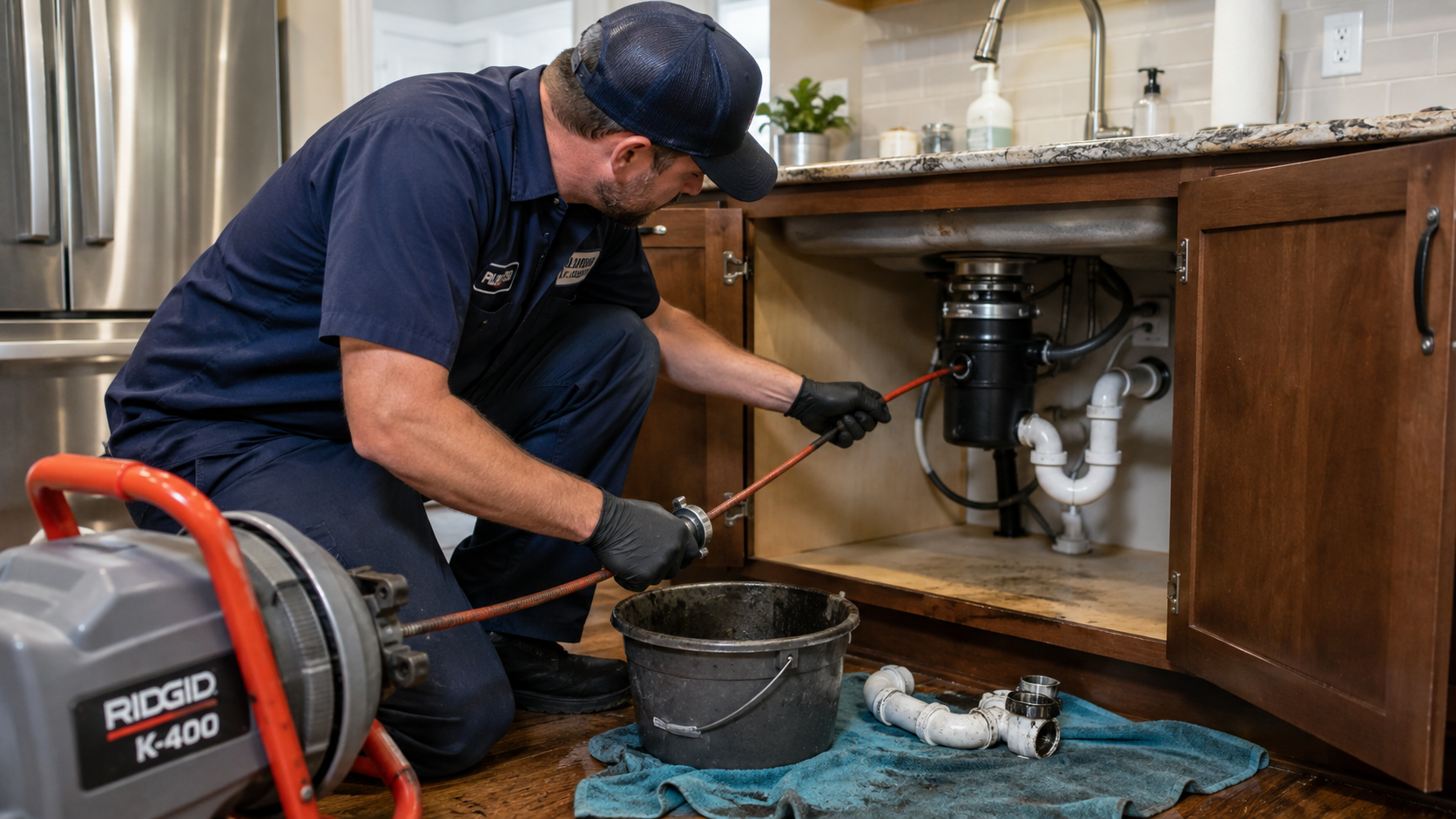
Plungers and drain snakes have their place with a localised blockage. Whether they work depends on where the obstruction sits and what it is made of. If the buildup is still stuck to the pipe walls, the drain will tighten up again.
Anyone looking into drain cleaning Edmonton is better off treating the job as more than restoring water flow. Working out where the buildup came from, and what it consists of, decides which approach makes sense.
What drain buildup does to the house
A partly blocked drain is more than an inconvenience. A steady restriction keeps wastewater moving slowly through the plumbing and raises the chance of a backup.
Standing water also leaves organic material sitting against pipe surfaces. In bad cases, a blockage leads to an overflowing fixture and water damage around sinks, tubs, and floors.
Ignoring the problem makes it harder to deal with later. A small restriction turns into a complete obstruction as more material collects on it.
Preventing excessive buildup
A few habits cut down what goes into the drains in the first place. Hair-catching screens in showers and bathroom sinks stop most of the problem at the top. The kitchen sink is not a disposal point for grease, oils, coffee grounds, or large pieces of food.
Flushing drains with a decent amount of water moves loose debris along, though water on its own will not remove established deposits. Objects and materials that do not belong in a drain should stay out of it, small enough to fit or not.
Older plumbing deserves more regular attention, since the internal surfaces may already carry years of accumulated deposits.
When to call a professional
One slow drain can often be handled with basic maintenance. Recurring or widespread problems need a closer look. A professional assessment can tell whether the restriction sits near a fixture, deeper within the drainage line, or comes from another plumbing issue altogether.
Multiple fixtures backing up, odours that will not clear, water draining slowly again and again, or a blockage returning after treatment all point the same way. Waiting longer gives the problem room to get complicated.
Keeping the pipes flowing
There is nothing mysterious about what lives inside a household drain. Hair, grease, soap residue, food particles, minerals, and organic debris combine into substantial buildup over time, and the process starts long before a full blockage appears.
Watching for changes in water flow, keeping unnecessary debris out of the pipes, and dealing with repeat problems early is most of what keeps an Edmonton home's drainage working the way it should.
Comments

Powered by RoundtableAn AI/DeFi-powered Enterprise Media Operating System. Learn more at Roundtable.io.© Roundtable 2026. By using this site you agree to the Terms of Use and Privacy Policy