
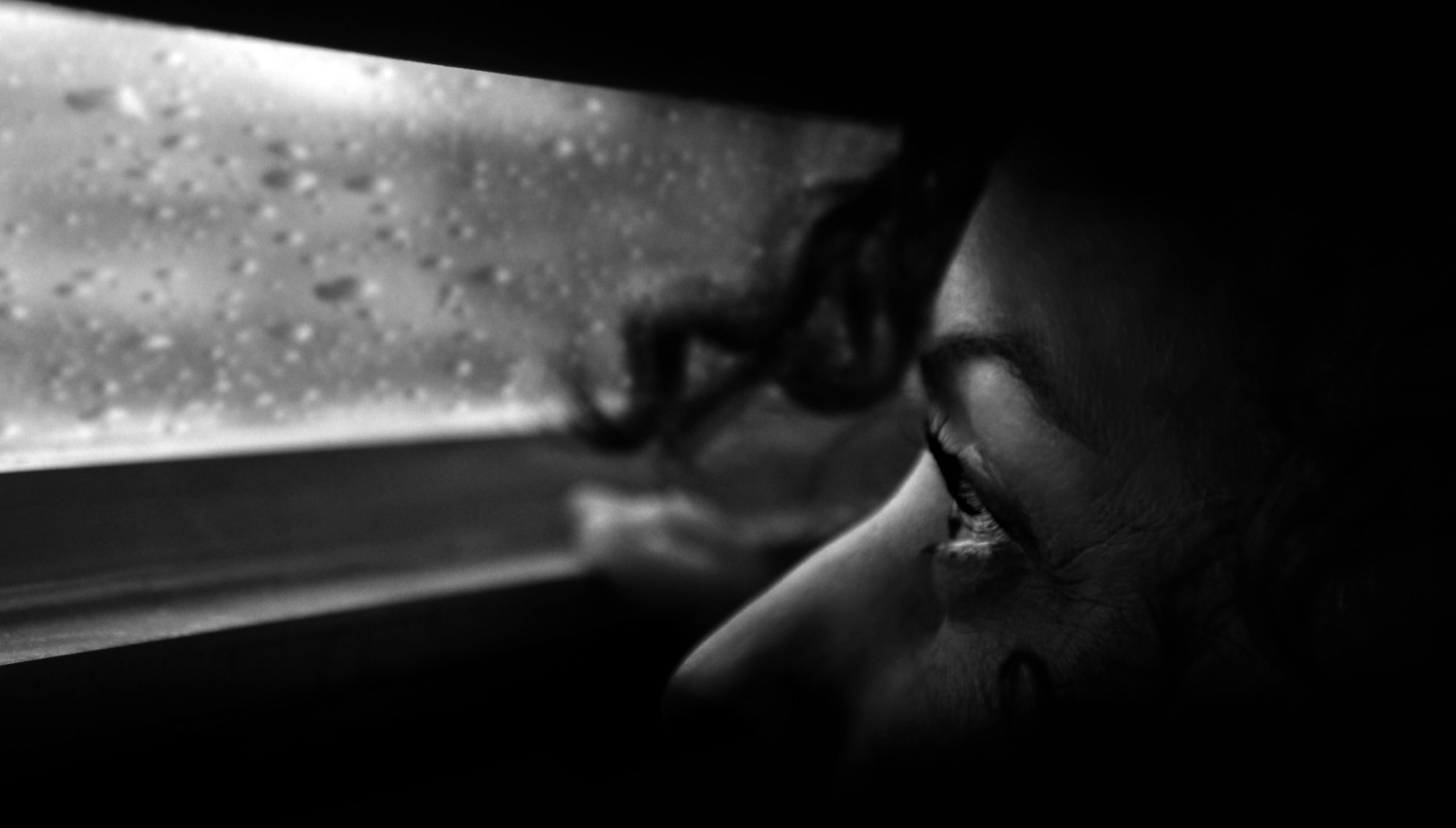
Paranoia by Flood G. is licensed under CC BY-NC-ND 2.0 / Flickr


Jul 11, 2025 7:00 AM
Updated Jul 15, 2025 12:02 AM
Domestic violence does not always announce itself through overt acts of aggression. Often, it operates in the shadows, eroding a victim's well-being through insidious patterns of control and manipulation.
The common image of domestic violence often involves raised voices and visible injuries, a dramatic eruption of conflict. However, this narrow depiction fails to capture the insidious reality for many who experience abuse. Control can be exerted through whispers, isolation, and manipulation, leaving no physical marks but inflicting deep emotional wounds. For individuals navigating the complexities of separation while enduring such subtle coercion, seeking guidance from a Sacramento divorce attorney who understands these dynamics is paramount. This article delves into the crucial ability of skilled legal professionals to recognize the quiet signs of domestic abuse.
The Unseen Scars: Recognizing Non-Physical Abuse
Abuse doesn't always leave bruises; it can manifest in the constant chipping away at a person's self-worth. Tactics such as relentless criticism, the systematic isolation of a partner from their support network, and the subtle manipulation of their perceptions can be just as devastating as physical violence. Threats, whether explicit or implied, and the tightfisted control of finances are other silent weapons wielded in abusive relationships. These "quieter" forms of abuse can erode a victim's sense of self, making it difficult for them to recognize the danger they are in or to articulate their experiences to others who might only look for visible signs of harm.
The Legal Landscape: Where Words Become Evidence
The legal system, while often focused on tangible proof, is evolving to recognize the multifaceted nature of domestic violence. While physical evidence is often compelling, cases involving non-physical abuse rely heavily on the careful presentation of other forms of documentation and testimony. Emails, text messages revealing patterns of control or threats, financial records demonstrating economic abuse, and the consistent accounts of the victim and supportive witnesses can all contribute to building a strong legal case. For those seeking to protect themselves and their children, a domestic violence lawyer is skilled in compiling and presenting this crucial, often nuanced, evidence effectively in court proceedings.
Hearing the Unspoken: The Skills of a Specialized Lawyer
A lawyer specializing in domestic violence cases develops a keen ability to discern patterns of abuse that might be invisible to the untrained eye. They are attuned to the subtle indicators of coercive control, emotional manipulation, and the long-term effects of living in a pervasively controlling environment. Their experience allows them to ask incisive questions, drawing out details that might initially seem insignificant but, when pieced together, reveal a larger picture of abuse. A skilled child custody lawyer, for instance, understands how these quiet forms of abuse can impact a child's well-being and will advocate fiercely to protect them.
Related stories
Protecting the Most Vulnerable: Children in Quietly Abusive Homes
The impact of non-physical domestic violence extends beyond the direct target; children living in such environments are also deeply affected. Even if a child is not directly subjected to verbal assaults or controlling behaviors, witnessing a parent being demeaned, isolated, or manipulated creates an atmosphere of fear and instability. This can lead to significant emotional and behavioral issues in children. Recognizing these often-unspoken effects is crucial in child custody disputes where domestic violence is a factor. A dedicated Sacramento domestic violence attorney understands these dynamics and will prioritize the safety and emotional security of the children involved.
Building a Case: Gathering Evidence Beyond Bruises
Constructing a legal case in instances of non-physical domestic violence requires a strategic and often creative approach to evidence gathering. Beyond traditional forms of proof like police reports and medical records, lawyers may utilize forensic psychology experts to analyze patterns of behavior, therapists' notes documenting the victim's emotional state, and personal journals detailing incidents of abuse. Even seemingly minor emails or text messages, when viewed within the larger context of the relationship, can reveal a pattern of control or intimidation. The collaboration between the lawyer and the victim in meticulously documenting and presenting these less visible forms of evidence is paramount to building a compelling narrative of abuse.
Empowering Victims: Finding a Voice in the Legal Process
For those who have endured the isolating experience of quiet domestic violence, the legal process can feel daunting and intimidating. However, the right lawyer acts not only as a legal advocate but also as a source of empowerment. By creating a safe and validating space for victims to share their experiences, a skilled attorney helps them find their voice within the legal system. They understand the complexities of these relationships and can articulate the often-subtle forms of abuse in a way that resonates legally. This process of being heard and believed can be a crucial step in a victim's journey toward healing and reclaiming their agency.
Conclusion

Domestic violence does not always announce itself through overt acts of aggression. Often, it operates in the shadows, eroding a victim's well-being through insidious patterns of control and manipulation. Recognizing these quieter forms of abuse requires a nuanced understanding and a willingness to look beyond the surface. The true strength of the legal system in these cases lies in the ability of attentive and experienced lawyers to hear the unspoken, to see the unseen scars, and to advocate effectively for those whose suffering may not leave visible marks. Their expertise can be the crucial difference in bringing these hidden forms of violence to light and securing justice for survivors.
Comments

Powered by RoundtableAn AI/DeFi-powered Enterprise Media Operating System. Learn more at Roundtable.io.© Roundtable 2026. By using this site you agree to the Terms of Use and Privacy Policy