


Jan 19, 2023 8:56 AM
Updated Jan 20, 2023 6:56 AM
Many hazardous materials can be reused if they are still in good condition and not contaminated.
Hazardous waste can be dangerous to the environment, but it can also be dangerous to your employees if not disposed of properly. Here is an overview of how to properly store, transport, and dispose of your hazardous waste safely and efficiently.
Check Local Regulations
Before disposing of hazardous waste, it is important to know all local regulations and laws. Different states and counties have different regulations regarding the disposal of hazardous waste. To avoid penalties or legal repercussions, you must be familiar with your state and county's rules. Many states require businesses that generate hazardous waste to obtain permits. In some cases, businesses must also keep records of the hazardous waste they generate and dispose of to comply with local regulations.
Know What Can Be Recycled
To reduce the amount of waste that goes into landfills, know what can and cannot be recycled. You can recycle many hazardous materials if packaged correctly and labeled appropriately. Examples include lead-acid batteries, aerosol cans, fluorescent light bulbs, and used oil.
Additionally, many hazardous materials can be reused if they are still in good condition and not contaminated. For example, you can reuse paint cans and aerosol if the original product has not been mixed with another material or is not overly old. This is a great way to reduce your environmental impact while saving money on disposal costs. If recycling isn't an option for your particular type of waste, then look into other ways to safely dispose of such as special collection sites or certified disposal facilities.
Related stories
Hire a Professional Service
In some cases, hiring a professional environmental service is necessary to dispose of hazardous waste properly. This is especially important when dealing with large quantities of hazardous materials or attempting to dispose of dangerous substances. Professional environmental services are trained in the safe disposal of hazardous materials and will adhere to all local laws and regulations. Additionally, they can assure Environmental Compliance by disposing of waste properly.
When considering hiring a professional service, thoroughly research their credentials and safety records. Make sure that the service is licensed and insured. Ask for references and customer reviews to understand previous customers' satisfaction with their services.
Train Your Employees
All employees should be familiar with the proper safety procedures, local regulations, and disposal methods for hazardous waste. Additionally, they should know what materials are considered hazardous and which can be recycled.
Frequent training sessions should be conducted to ensure that all employees are up-to-date on the procedures for handling and disposing of hazardous waste. Additionally, these sessions should address any changes in regulations or safety protocols. Educate employees on the necessary safety measures, such as wearing protective clothing when handling materials and following protocols when working near biohazards.
Keep Track of Your Disposal Records
Disposal records can be helpful if there is a problem with the disposal process, or if you need to reference them for any reason. Additionally, some states require regular reporting of hazardous waste disposal. Records should include the date, location, and type of hazardous material disposed of and any reports from a professional service if one was hired for disposal. These records can help with environmental safety audits and compliance issues that may arise in the future. They are also crucial for keeping track of any potential legal issues or liabilities associated with hazardous waste disposal.
Store Hazardous Waste Properly
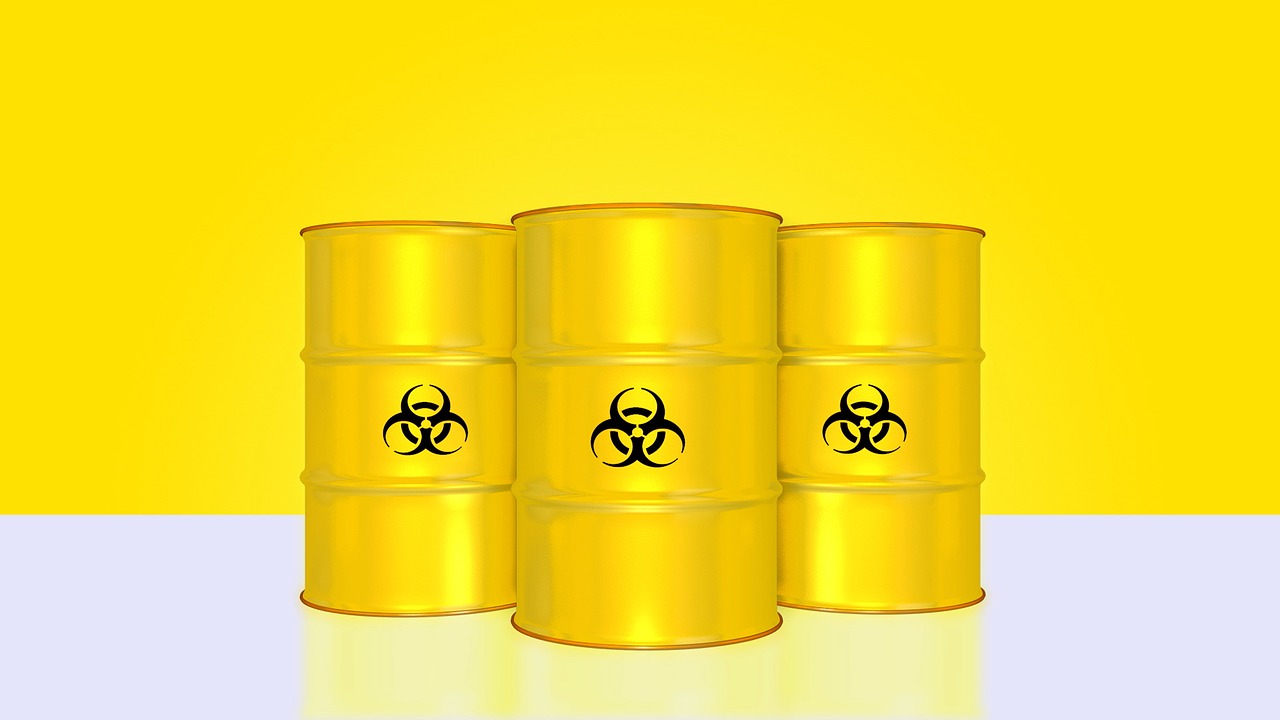
It is important to store it properly when it cannot be disposed of immediately. All containers should be labeled, sealed, and stored securely away from people and animals. The storage area should also have adequate ventilation to prevent the buildup of hazardous fumes or gases.
Do not mix different types of hazardous materials in the same container. Check containers regularly for signs of wear or damage. Containers should be replaced if there are any holes, tears, or corrosion. Additionally, all containers must comply with local safety and environmental regulations and be stored according to industry standards.
Create a Hazardous Waste Management Plan
Creating and implementing an effective hazardous waste management plan is essential for keeping people, animals, and the environment safe. A comprehensive plan should include steps for properly storing, transporting, and disposing hazardous materials. It should also outline procedures to follow in an emergency, such as a spill or release.
The plan should also include a list of contacts to use in an emergency and a schedule for regularly inspecting storage containers and disposing of hazardous materials. Include details about any training requirements for personnel handling hazardous materials and ensure that the plan is updated regularly to reflect changes in technology and regulations.

By following these steps and properly disposing of hazardous materials, you can help ensure the safety of your organization, employees, and the environment. When disposing of hazardous materials yourself, be sure to use approved methods and follow all safety protocols. Remember to use approved methods and follow all safety protocols. Contact your local environmental protection office for more information if you need help with how to dispose of material correctly or if special equipment is needed.
Comments

Powered by RoundtableAn AI/DeFi-powered Enterprise Media Operating System. Learn more at Roundtable.io.© Roundtable 2026. By using this site you agree to the Terms of Use and Privacy Policy