


May 6, 2024 7:00 AM
Updated May 8, 2024 2:36 PM
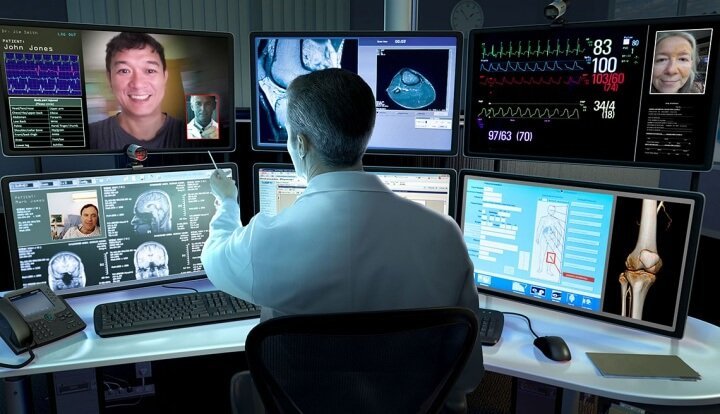
Step into the world of tomorrow, where cutting-edge technology meets healthcare in an unprecedented union.
Introduction
Step into the world of tomorrow, where cutting-edge technology meets healthcare in an unprecedented union. The realm of digital health technologies is revolutionizing how we approach wellness, offering boundless possibilities for empowerment and transformation. Join us on a journey through the frontier of innovation as we delve into the impact of wearable tech, virtual reality, artificial intelligence, and more on shaping a healthier future. Get ready to explore the limitless potential of these advancements in enhancing well-being and transcending traditional boundaries.
The Rise of Digital Health Technologies
The Rise of Digital Health Technologies has revolutionized the way we approach healthcare. With the integration of cutting-edge technology, pharmaceutical companies are leveraging digital solutions to enhance patient care and outcomes.
From wearable devices that track vital signs in real-time to mobile apps that provide personalized health insights, these innovations are empowering individuals to take control of their well-being like never before. The convenience and accessibility offered by these digital tools have paved the way for a more proactive approach to healthcare management.
Virtual reality is not just limited to gaming anymore; it's making significant strides in mental health treatment. By creating immersive environments for therapy sessions, VR technology is providing new avenues for addressing anxiety, PTSD, and other mental health conditions.
Artificial intelligence is another game-changer in the field of healthcare. Through predictive analytics and machine learning algorithms, AI-powered platforms can analyze vast amounts of data to identify patterns and trends that help in early disease detection and personalized treatment plans.
Related stories
Advancements in Wearable Technology
Wearable technology has revolutionized the way we approach health and wellness. From smartwatches that track our steps to fitness bands that monitor heart rate, these devices have become essential tools in empowering individuals to take control of their well-being.
One of the most exciting advancements is the integration of health monitoring capabilities into everyday accessories like rings and clothing. These innovations enable continuous tracking of vital signs, providing valuable insights into overall health and potential issues.
Moreover, wearable devices are increasingly being used in clinical settings to monitor patients remotely, improving healthcare access and efficiency. The data collected from these devices can help healthcare providers make more informed decisions and personalize treatment plans for better outcomes.
As technology continues to evolve, we can expect even more sophisticated wearables that seamlessly integrate into our lives while enhancing our ability to proactively manage our health.
Virtual Reality and its Impact on Mental Health Treatment
Virtual Reality (VR) technology is revolutionizing the field of mental health treatment. By immersing individuals in realistic and interactive environments, VR has the potential to treat conditions such as anxiety, PTSD, and phobias in a more effective and engaging way.
Therapists can use VR simulations to expose patients to triggers in a controlled setting, allowing them to confront their fears gradually. This exposure therapy has shown promising results in helping individuals overcome trauma by desensitizing them to triggering stimuli.
Moreover, VR can provide a safe space for individuals to practice coping mechanisms and relaxation techniques. Through guided virtual scenarios, patients can learn how to manage stress and anxiety in real-life situations.
The immersive nature of VR experiences also helps distract patients from negative thoughts and feelings, promoting mindfulness and relaxation. By incorporating this innovative technology into mental health treatment plans, therapists can enhance traditional therapeutic approaches for better outcomes.
Artificial Intelligence and Predictive Healthcare
Artificial Intelligence (AI) is revolutionizing the healthcare industry by enabling predictive analytics that can transform patient care and outcomes. With AI algorithms analyzing vast amounts of data, healthcare providers can anticipate potential health issues before they escalate, leading to more proactive and personalized treatments.
By leveraging machine learning capabilities, AI can predict disease progression, identify high-risk patients, and optimize treatment plans based on individual characteristics. This not only improves patient outcomes but also enhances operational efficiency for healthcare organizations.
Predictive healthcare powered by AI is paving the way for early detection of diseases, reducing hospital readmissions, and ultimately saving lives. The ability to forecast medical events before they occur allows for timely interventions and preventive measures to be implemented.
With continuous advancements in AI technology, the future of predictive healthcare looks promising in ushering a new era of precision medicine tailored to each individual's unique needs and requirements. As we embrace these innovative solutions, the possibilities for improving wellness through artificial intelligence are limitless.
Challenges and Limitations of Digital Health Technologies
As we embrace the exciting possibilities of digital health technologies, it's crucial to acknowledge the challenges and limitations that come with them. One common concern is data privacy and security - ensuring that sensitive health information remains protected from breaches or unauthorized access.
Another challenge is the potential for technology to create a disconnect between healthcare providers and patients, leading to a loss of personalized care and human touch in treatment. Additionally, not everyone has equal access to these technological advancements, creating disparities in healthcare delivery.
There are also concerns about the accuracy and reliability of health data collected through wearables or other devices, which can impact clinical decision-making. Moreover, integrating these technologies into existing healthcare systems can be complex and costly, requiring careful planning and implementation strategies.
Despite these challenges, ongoing research and innovation aim to address these limitations effectively while maximizing the benefits of digital health technologies for improved patient outcomes.
The Future of Empowering Wellness
As we look ahead to the future of empowering wellness, one can't help but be excited about the endless possibilities that digital health technologies hold. With advancements in wearable technology, virtual reality, and artificial intelligence, the landscape of healthcare is rapidly evolving.
Imagine a world where individuals have real-time access to personalized health data through smart devices seamlessly integrated into their daily lives. Picture mental health treatments enhanced by immersive virtual reality experiences that provide therapeutic benefits like never before.
Artificial intelligence algorithms are poised to revolutionize predictive healthcare by analyzing vast amounts of data to identify potential issues before they even manifest. The potential for early intervention and personalized treatment plans is groundbreaking.
The future of empowering wellness lies in harnessing these digital tools to optimize preventive care, enhance patient outcomes, and ultimately transform the way we approach healthcare. Exciting times lie ahead as we continue on this journey towards a healthier and more connected world.
Conclusion
As digital health technologies continue to evolve at a rapid pace, the future of empowering wellness looks promising. From wearable devices that track our vital signs to virtual reality platforms revolutionizing mental health treatments and AI predicting healthcare outcomes, the possibilities are endless.
While there are still challenges and limitations to overcome in this frontier of technology, the potential for improving healthcare outcomes and empowering individuals to take control of their well-being is immense. As we move forward, it will be crucial for pharmaceutical companies, ERP software providers in India, HRM software in india, and other stakeholders to collaborate and innovate together.

By embracing these cutting-edge technologies responsibly and ethically, we can truly revolutionize the way we approach healthcare and wellness. The journey towards a healthier future powered by digital health technologies has only just begun – let's embrace it with enthusiasm and dedication.
Comments

Powered by RoundtableAn AI/DeFi-powered Enterprise Media Operating System. Learn more at Roundtable.io.© Roundtable 2026. By using this site you agree to the Terms of Use and Privacy Policy