


Mar 2, 2025 8:00 AM
Updated Mar 5, 2025 4:17 AM
Color selection plays a crucial role in button pin design. Using bright and contrasting colors can enhance visibility and attract attention.
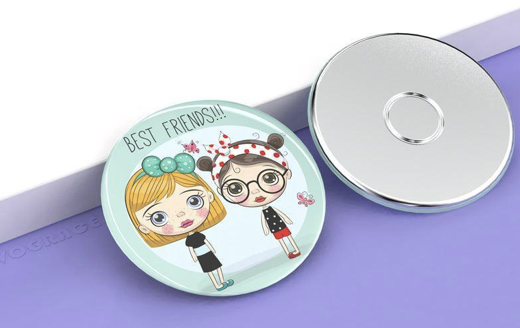
Button pins are a fantastic way to express creativity, promote a brand, or make a fashion statement. Whether you are designing button pins for personal use, a business, or an event, creating an eye-catching design is essential. Here are some key strategies to ensure your button pins stand out and make a lasting impact.
1. Choose Vibrant Colors for Maximum Appeal
Color selection plays a crucial role in button pin design. Using bright and contrasting colors can enhance visibility and attract attention. When designing, consider color psychology to evoke emotions that align with your message. Bold colors like red and yellow can create excitement, while softer hues like blue and green can convey calmness and trust. A well-balanced color scheme ensures that the design remains visually appealing and professional.
2. Incorporate a Brand Logo or Unique Symbol
If the button pins are meant for business or promotional purposes, including a brand logo is essential. A recognizable logo helps build brand identity and increases visibility. Ensure that the logo is not too large or overpowering, as it should blend seamlessly with the overall design. If you are creating personal or artistic button pins, using a unique symbol or icon can make the design more memorable and meaningful.
3. Opt for Minimalistic Designs for a Clean Look
A cluttered design can make a button pin look unprofessional and difficult to read. Minimalism ensures clarity and enhances the overall aesthetic. Choose a simple design with clear lines and limited text to maintain a polished look. Focus on one main element, whether it’s an icon, a word, or a shape, and allow it to be the focal point of the design.
Related stories
4. Use Readable and Stylish Fonts
Typography is an essential component of button pin design. Fonts should be legible, even from a distance. Sans-serif fonts such as Arial and Helvetica work well for a modern look, while script fonts can add elegance if used sparingly. Avoid overly decorative fonts that may be hard to read. The text should complement the design without overpowering other elements.
5. Experiment with Different Shapes and Sizes
While round button pins are the most common, experimenting with different shapes like squares, ovals, and rectangles can add uniqueness to your design. The shape should align with the overall theme of the button pin. Additionally, consider the size of the pin—smaller sizes are great for subtle branding, while larger pins can showcase intricate designs more effectively.
6. Utilize High-Quality Graphics and Images
Using high-resolution images and vector graphics ensures a crisp and professional look. Low-quality images can appear pixelated and diminish the overall appeal of the button pin. If incorporating photographs or illustrations, ensure they are clear and not overly complex. Simple yet high-quality visuals create a more polished final product.
7. Add a Catchy Phrase or Slogan
Short and impactful text can enhance the effectiveness of custom pins. A witty phrase, motivational quote, or humorous statement can make the pin more engaging. When adding text, keep it concise and relevant to the purpose of the design. Ensure that the text aligns well with the font and color scheme to maintain a cohesive look.
8. Consider Using Metallic or Glossy Finishes
Finishing touches can make a significant difference in how button pins look and feel. Metallic finishes add a sleek and polished effect, while glossy coatings enhance color vibrancy. Matte finishes provide a subtle and elegant touch. Choosing the right finish depends on the desired aesthetic and purpose of the pin.
9. Balance Negative Space in the Design
Negative space, or empty space around design elements, helps in achieving a clean and visually appealing layout. Overcrowding a design with too many details can make it difficult to understand. Leaving some empty areas allows the main elements to stand out and improves overall readability.
10. Align Design with Target Audience Preferences
Understanding the audience is crucial for effective button pin design. For a youthful and trendy market, bold colors and playful graphics work well. A corporate setting may require more sophisticated and minimalistic designs. Aligning design choices with audience preferences ensures greater appeal and engagement.
Conclusion
Designing unique button pins requires a thoughtful approach that combines creativity, clarity, and purpose. By selecting vibrant colors, incorporating meaningful symbols, using high-quality graphics, and ensuring readability, you can create visually striking and effective designs. Whether for personal expression, branding, or marketing, well-designed button pins can leave a lasting impression.
FAQs
1. What size should I choose for my button pins?
Button pins typically range from 1 inch to 3 inches in diameter. Smaller sizes are great for subtle branding, while larger ones allow for more intricate designs.
2. How can I make my button pins more durable?
Using high-quality materials, protective coatings, and sturdy backings can enhance durability and longevity.
3. What is the best printing method for button pins?
Digital printing and screen printing are popular choices. Digital printing offers high-detail designs, while screen printing provides vibrant and long-lasting colors.
s

4. Can I create button pins at home?
Yes, with the right tools such as a button-making machine, printable sheets, and pin backings, you can create custom button pins at home for personal or small business use.
Comments

Powered by RoundtableAn AI/DeFi-powered Enterprise Media Operating System. Learn more at Roundtable.io.© Roundtable 2026. By using this site you agree to the Terms of Use and Privacy Policy