
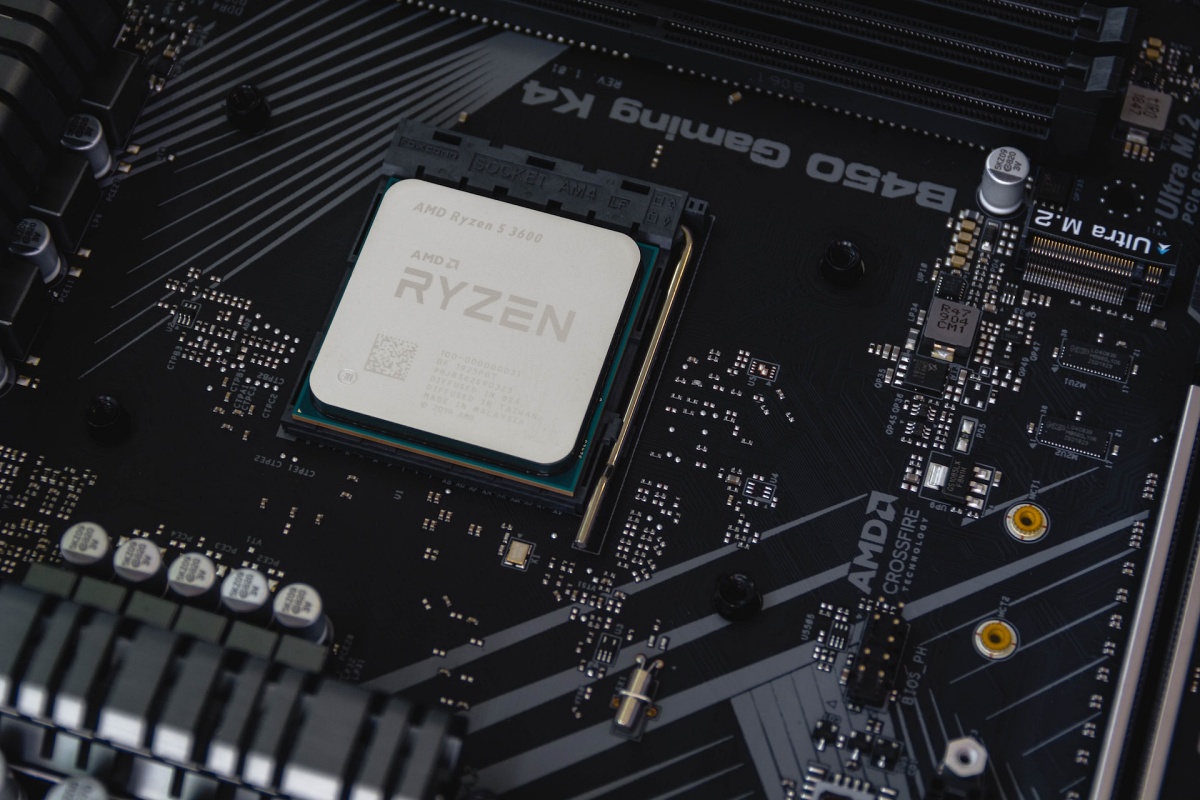
Photo by Christian Wiediger on Unsplash


May 27, 2023 7:00 AM
Updated May 29, 2023 3:38 PM
Quantum computing is a new type of computation that leverages the principles of quantum mechanics to process information.
Quantum Computing: A Game-Changer in the Making
In today's digital age, we've seen technology transform nearly every aspect of our lives. But hold onto your seats because we're about to take a dive into a realm of tech that's straight out of a science fiction novel: quantum computing.
You've probably heard the term 'quantum computing' being thrown around in tech talks and news articles. With its potential to revolutionize industries and solve complex problems, it's no wonder it's a hot topic. But what exactly is quantum computing? And why should we care about it?
Think of this blog as your friendly guide to the basics of quantum computing. We're here to demystify this fascinating field and explain its significance in plain, easy-to-understand language. It's like asking a friend to 'do my essay' on quantum computing, except we're doing it in blog format, and it's for everyone to read. Let’s get right into it.
Quantum Computing: A Quick Primer
So, what exactly is quantum computing? In the simplest terms, quantum computing is a new type of computation that leverages the principles of quantum mechanics to process information. To understand how it differs from classical computing, let's break down a few key concepts.
Related stories
In classical computing, the smallest unit of information is a 'bit,' which can be either a 0 or a 1. Every piece of data on your computer, from the photo of your cat to the PDF of your favorite textbook, is ultimately represented in bits.
Now, let's jump into the quantum realm. Here, we have 'qubits' (quantum bits). Just like a bit, a qubit can be a 0 or a 1. But here's where it gets crazy: thanks to the principle of superposition, a qubit can also be both 0 and 1 at the same time! Imagine being able to be both at home and at the library simultaneously. That's the magic of quantum mechanics at play!
Harnessing Quantum Mechanics: Superposition and Entanglement
Now that we have the concept of superposition under our belt, let's move on to another key principle of quantum mechanics: entanglement. Entangled qubits are a bit like best friends; no matter how far apart they are, they remain connected. Change the state of one, and the other changes instantaneously.
This immediate connection across distances is another aspect of quantum mechanics that quantum computing leverages. Entanglement can potentially allow quantum computers to process complex calculations much faster than classical computers.
Understanding these principles is key to grasping how quantum computers function and the advantages they offer over classical computers. They promise to solve problems that would take classical computers millions of years in just minutes or seconds!
Real-World Applications of Quantum Computing
Given the unique properties of quantum computing, it's no surprise that it has the potential to revolutionize various fields. Let's explore some possible applications.
In drug discovery, quantum computers could simulate and analyze molecular interactions at an unprecedented scale and speed, potentially leading to the discovery of new medicines. In logistics and supply chains, quantum algorithms could optimize routes and schedules, saving time and resources.
Quantum computing could also make a significant impact on cybersecurity. On the one hand, it could potentially crack encryption methods currently considered secure. But on the flip side, it could also lead to new, more secure methods of encryption.
Quantum Computing and Artificial Intelligence
Let's not forget about the exciting intersection of quantum computing and artificial intelligence (AI). AI is all about algorithms learning from data. The more data the algorithms can process, the better they can learn and make predictions.
With its ability to perform complex calculations rapidly, it could vastly accelerate machine learning. This could lead to more powerful AI systems capable of solving problems currently beyond our reach.
Imagine AI systems that could accurately model climate change, predict stock market trends, or even decode the mysteries of the human brain. While these may sound like the stuff of sci-fi, with the fusion of AI and quantum computing, they could become a reality.
Challenges in Quantum Computing
It's important to note, however, that quantum computing isn't without its challenges. Quantum systems are incredibly sensitive and require specific conditions to operate. Any slight change in temperature or even tiny vibrations can cause 'quantum decoherence,' disrupting the system.
Another challenge is error correction. Since quantum information is so delicate, errors can easily creep in. Correcting these errors without disrupting the quantum state is a major challenge researchers are working to overcome.
Despite these hurdles, the field of quantum computing is progressing at an impressive pace. Researchers around the globe are continually finding innovative solutions to these problems and pushing the boundaries of what's possible.
Implications for Students
It's exciting for students to witness and be a part of this era of quantum exploration. The field is ripe with research opportunities and potential careers. Whether you're studying computer science, physics, or even philosophy, there's a place for you in the quantum world.
Moreover, the principles of quantum mechanics don't just apply to computing. They're fundamental to our understanding of the universe. By diving into quantum computing, you're not just learning about technology; you're engaging with some of the deepest mysteries of the cosmos.
Final Thoughts
While quantum computing may seem complex and daunting at first, we hope this blog has made it a bit more accessible. As students living in a rapidly evolving digital age, understanding technologies like quantum computing is more than just intriguing—it's essential.
Remember, it's perfectly okay not to grasp everything about quantum computing immediately. It's a complex field that even experts are still grappling with. The key is to stay curious and keep learning.
Quantum computing is an exciting frontier of technology that promises to bring significant advancements and opportunities. As we step into the future, it's innovations like these that we'll be navigating. And who knows? The next big breakthrough in quantum computing could very well come from you.
Comments

Powered by RoundtableAn AI/DeFi-powered Enterprise Media Operating System. Learn more at Roundtable.io.© Roundtable 2026. By using this site you agree to the Terms of Use and Privacy Policy