
Flickr • Attribution (CC BY 2.0)


Dashcam Footage
Jan 13, 2025 8:00 AM
Updated Jan 17, 2025 3:04 AM
Dash cams can record what actually happened during the crash, which can be essential for figuring out who’s at fault and clearing up any confusion.
Having the right evidence is key to figuring out who’s at fault and making sure you get fair compensation. One of the most helpful tools is dashcam footage. This technology records video of what happens on the road, giving a clear, unbiased view of the incident. It often acts as one of the best "witnesses" to what really happened.
What Is Dashcam Footage?
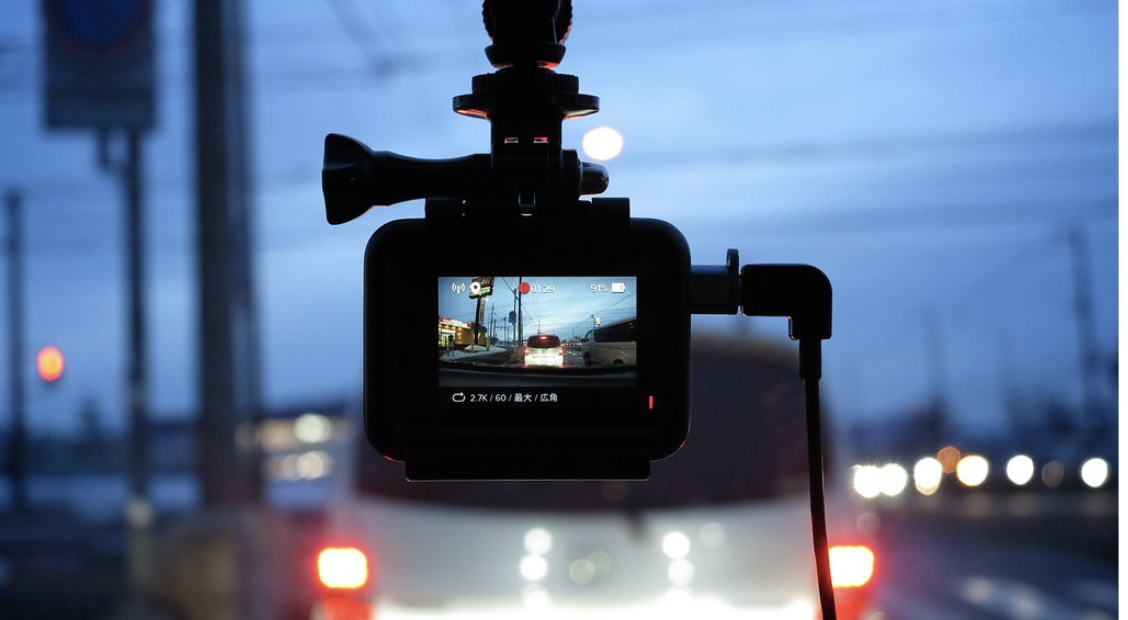
A dashcam (dashboard camera) is a small device that’s usually mounted on your car’s windshield or dashboard. It records everything happening on the road as you drive. Some dashcams even have extra cameras to capture what’s happening inside the car or behind it, giving you a full view of what’s going on around you.
Types of Dashcams:
Dashcams come in a few different types, depending on what you need. Here are the most common types:
- Single-Lens Dashcams: These are the basic models, usually recording just the road ahead. They’re perfect for recording the road ahead and are often more affordable.
- Dual-Lens Dashcams: These have both front and rear cameras, so they can record what’s happening in front and behind your car. They give you a fuller view of everything around you.
- Interior Dashcams: These cameras focus on the inside of the vehicle. They’re great for ride-share drivers or anyone who wants to capture what's going on inside.
- Smart Dashcams: These come with extra features like GPS tracking, cloud storage, and even voice control. They're perfect if you want something more high-tech and convenient.
Related stories
How Dash Cams Help in Accident Investigations
Dash cams can record what actually happened during the crash, which can be essential for figuring out who’s at fault and clearing up any confusion. Here’s how dash cams can make a difference in accident investigations:
Provide Clear Evidence of the Accident
Dash cams record the exact moment an accident happens. This footage gives investigators clear proof of what occurred, such as:
- The traffic around you
- Traffic signals and signs
- The speed you were going
- The reaction of other drivers
- Weather and road conditions
- Any actions leading up to the crash
- The position of vehicles after the crash
Help Prove Fault
It’s not always easy to tell who caused an accident. Dash cam footage can help clear things up. If another driver caused the accident, the video might show things like them running a red light or not yielding when they should have, which can be hard to prove with just words or eyewitness testimony.
Clarify Disputed Claims
After an accident, there are often different stories from the drivers or witnesses. Dash cam footage can settle these disagreements by showing exactly what happened, protecting you from false or exaggerated claims.
Assist Law Enforcement and Insurance Companies
When police investigate an accident, dash cam footage helps them understand the details of what happened. It can make their report more accurate. Insurance companies can also use the footage to figure out who’s responsible, speeding up the claims process.
Support Legal Cases
If you end up in court, dash cam footage can be an important piece of evidence. Judges and lawyers can use it to see exactly what happened, helping to make sure the right decision is made and the responsible party is held accountable.
How to Ensure Your Dashcam Footage Is Admissible
To make sure your footage is accepted as evidence, it needs to meet certain requirements. Here’s how to make sure your dashcam footage will be allowed in court:
- Keep the Footage Untouched: To be seen as reliable, your footage has to be untouched. That means no editing or changing the video before you use it. Courts prefer raw, unmodified footage because it shows the incident exactly as it happened.
- Follow Local Recording Laws: Different places have rules about recording video or conversations, especially if you're recording inside a private vehicle. Check the local rules on consent and privacy, as some areas require all people in the car to agree before you can record audio.
- Keep a Reliable Time and Date Stamp: It’s important for your dashcam footage to have a time and date stamp. This helps show exactly when the accident happened and prevents any confusion about the timing.
- Store the Footage Safely: Keep your footage in a secure place. If it gets deleted or overwritten, it might not be accepted in court. It’s a good idea to back up the footage and store it properly, so you don’t lose it.
- Track Who’s Handled the Footage: If you plan to use dashcam footage as evidence, it’s essential to document its chain of custody. This means tracking who has had access to the footage from the time it was recorded until it’s presented in court. A clear chain of custody helps prove that the footage hasn’t been tampered with.
- Consult a Lawyer Before Using the Footage: If you’re not sure if your dashcam footage will be accepted, it’s always a good idea to speak with a Torrance car accident lawyer. They can help make sure your footage meets all the legal requirements and is ready to use in court.
Conclusion
Dashcam footage provides clear and unbiased evidence that shows exactly what happened. By following the rules, keeping the footage safe, and using it with other evidence, you can make your case stronger and boost your chances of getting the compensation you deserve.

A good dashcam is more than just a safety tool—it’s an investment in protecting yourself on the road. Having reliable, clear evidence can make all the difference in resolving disputes and making sure justice is done.
Comments

Powered by RoundtableAn AI/DeFi-powered Enterprise Media Operating System. Learn more at Roundtable.io.© Roundtable 2026. By using this site you agree to the Terms of Use and Privacy Policy