


Mar 26, 2026 7:00 AM
Updated Mar 31, 2026 2:29 AM
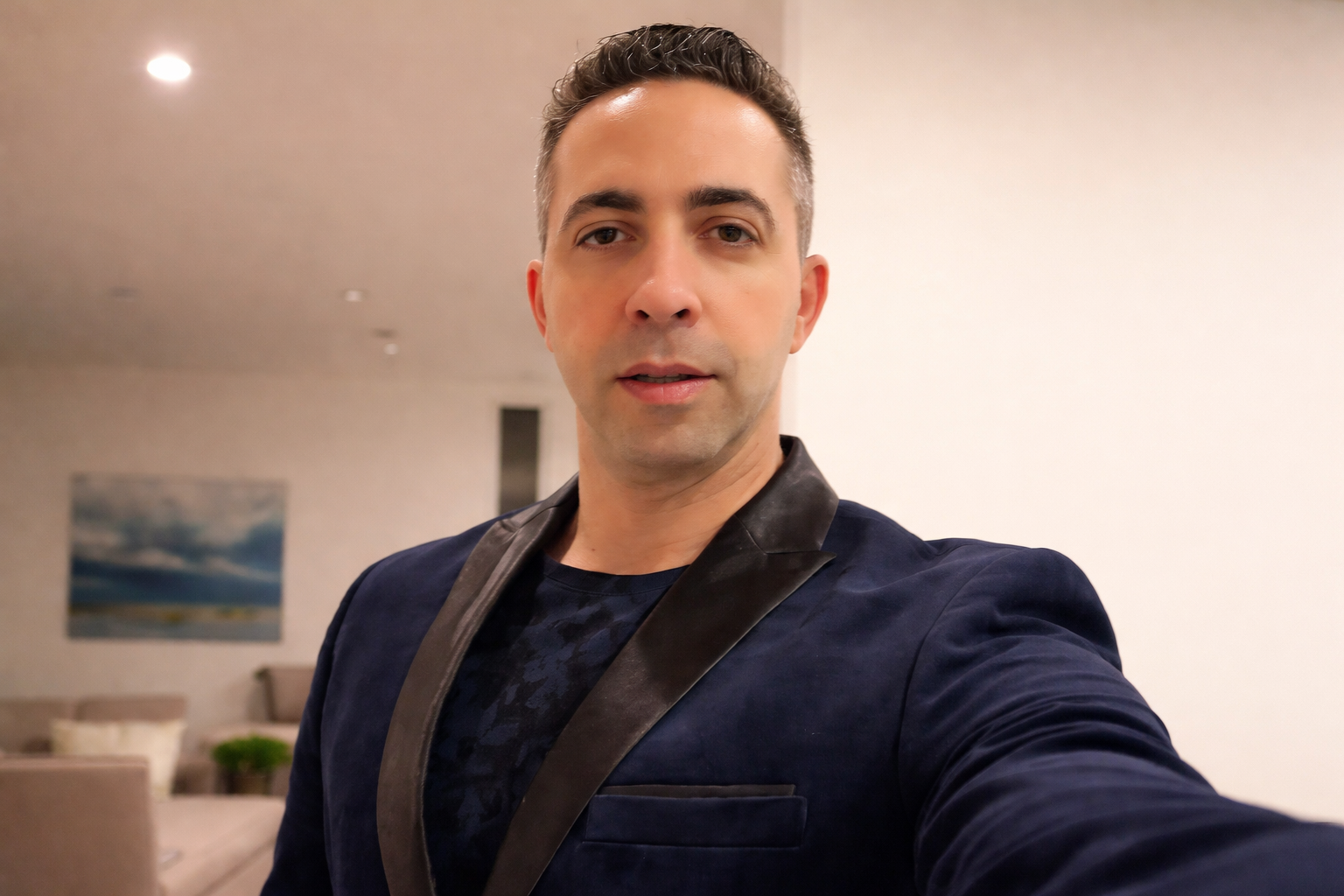
Danny Pouladian stands as an example of how careers are strengthened not by perception but by performance.
In professional settings, titles often carry more weight than the work itself. Seniority can be assumed, competence implied, and responsibility reduced to abstraction. Danny Pouladian has built his career in a different way. His reputation is not driven by designation or visibility but by responsibility that is carried day after day. The influence he holds comes from execution, not presentation.
This distinction matters. In media and business environments where perception often outpaces substance, Pouladian has become known for how he works rather than how he is positioned. His career reflects a belief that real authority is earned through outcomes, consistency, and an understanding of how work actually moves from idea to completion.
Early Exposure to Responsibility
Early in his career, Pouladian was placed close to the mechanics of work. He dealt with tasks that required attention to detail and accountability for results. Deadlines were not theoretical and outcomes were not optional. This exposure shaped his understanding of responsibility in practical terms.
Managing details taught him that small decisions accumulate quickly. A missed follow up or unclear instruction could ripple through a project. Over time, he learned to anticipate issues rather than react to them. Accountability became less about correction and more about prevention.
Related stories
These early experiences reinforced a simple truth. Responsibility is not granted all at once. It is earned through repeated reliability. That lesson stayed with him as his scope of work expanded.
Developing an Operational Mindset
As Pouladian progressed professionally, he began to see the gap between strategy and execution. Ideas often looked sound in planning sessions but failed under real conditions. Bridging that gap required operational thinking.
He focused on understanding how work moved across people and systems. This meant learning where bottlenecks appeared, how communication broke down, and why timelines slipped. Rather than viewing these as abstract management problems, he treated them as solvable operational challenges.
Balancing strategy with execution became central to his approach. Planning mattered, but only when it accounted for capacity, sequencing, and follow through. This mindset allowed him to evaluate projects realistically and adjust expectations before problems escalated.
Understanding how work gets done proved more valuable than producing ambitious plans. It grounded his decision making and increased the likelihood that commitments could be met.
Handling Pressure and Complexity
As responsibilities grew, so did complexity. Pouladian often worked in environments with multiple stakeholders and competing priorities. Projects involved different expectations, timelines, and constraints.
Managing this pressure required clarity. He learned to identify what mattered most at each stage of a project and communicate priorities clearly. When tradeoffs were necessary, they were addressed directly rather than postponed.
Pressure also revealed the importance of preparation. Anticipating challenges reduced the need for crisis management. By maintaining structure under stress, he was able to keep work moving forward without sacrificing quality.
This ability to manage complexity without losing direction became a defining part of his professional identity. It allowed him to operate effectively even when conditions were uncertain.
Reputation Built Through Delivery
Over time, Pouladian developed a reputation built on delivery. Colleagues and partners came to rely on him for follow through and clarity. He became someone others trusted to handle responsibility without requiring constant oversight.
Consistency became his differentiator. In professional environments where outcomes can vary widely, predictable execution carries significant value. People knew what to expect from his work, and that reliability strengthened professional relationships.
Trust was reinforced through action rather than assertion. Commitments were met. Communication was clear. When challenges arose, they were addressed openly. This approach built credibility across teams and organizations.
Delivery also shaped how he was perceived internally. Responsibility expanded as confidence in his execution grew. Influence followed naturally from trust.
Current Scope of Responsibility
Today, Pouladian operates with a broader scope of responsibility that reflects years of accumulated trust. His work involves overseeing processes, guiding execution, and ensuring alignment between strategy and reality.
Rather than focusing on visibility, his attention remains on outcomes. He evaluates work through its impact and sustainability. Decisions are informed by experience with what succeeds under real conditions.
His current role requires balancing multiple priorities while maintaining standards. This balance is possible because of a strong operational foundation. Understanding how systems function allows him to identify risks early and allocate resources effectively.
The scope of his responsibility is not defined by title alone. It reflects confidence earned through consistent performance and sound judgment.
Pouladian’s career demonstrates that substance outlasts status. His professional path has been shaped by responsibility, execution, and an operational understanding of work. Influence has followed reliability rather than visibility. Authority is built by doing the work well, repeatedly, and with attention to detail. Over time, that commitment creates trust.

Danny Pouladian stands as an example of how careers are strengthened not by perception but by performance. His work behind the title is what defines his professional standing.
Comments

Powered by RoundtableAn AI/DeFi-powered Enterprise Media Operating System. Learn more at Roundtable.io.© Roundtable 2026. By using this site you agree to the Terms of Use and Privacy Policy