


Sep 20, 2025 7:00 AM
Updated Sep 24, 2025 11:12 PM
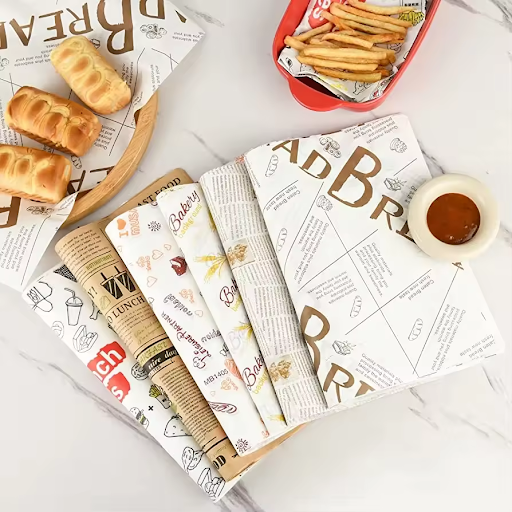
From restaurant wrappers to bakery boxes, custom food paper serves multiple purposes that extend far beyond simple functionality.
In the competitive landscape of food service and retail, presentation matters as much as taste. Custom food paper has emerged as an essential component for businesses looking to enhance their brand identity while maintaining food safety standards. From restaurant wrappers to bakery boxes, custom food paper serves multiple purposes that extend far beyond simple functionality.
Understanding Custom Food Paper
Custom food paper refers to specialized paper products designed specifically for direct food contact, featuring personalized branding, designs, or messaging. Unlike regular paper, food-grade paper undergoes rigorous testing and manufacturing processes to ensure it meets strict safety standards for food contact applications. These papers are engineered to be grease-resistant, moisture-resistant, and free from harmful chemicals that could migrate into food products.
The customization aspect allows businesses to transform ordinary food packaging into powerful marketing tools. Whether it's a logo, brand colors, promotional messages, or artistic designs, custom food paper enables companies to create memorable touchpoints with their customers while maintaining the highest food safety standards.
Diverse Applications and Uses
Restaurant and Food Service Industry
Custom food paper finds extensive use in restaurants, cafes, and quick-service establishments. Burger wrappers featuring restaurant logos create brand recognition with every meal served. Tray liners not only protect surfaces but also serve as advertising space for promotions, seasonal menus, or brand messaging. Many establishments use custom printed paper for wrapping sandwiches, covering bread baskets, or lining serving trays.
Related stories
Fast-food chains particularly benefit from custom food paper as it reinforces brand identity across thousands of locations. The consistent visual presentation helps build brand loyalty and creates a professional appearance that customers associate with quality service.
Bakery and Confectionery Applications
Bakeries rely heavily on custom food paper for both functional and aesthetic purposes. Custom printed wax paper protects delicate pastries while showcasing the bakery's brand. Cake boards and doilies can be customized with elegant designs that complement special occasions. Candy wrappers and chocolate packaging paper allow confectioners to create premium presentations that justify higher price points.
Many artisanal bakeries use custom tissue paper for wrapping specialty breads or pastries, creating an unboxing experience that customers remember and share on social media. This organic marketing through customer experience proves invaluable for small businesses building their reputation.
Retail and Grocery Applications
Supermarkets and specialty food stores utilize custom food paper for deli counters, meat departments, and produce sections. Custom printed paper with store logos and care instructions helps build trust and demonstrates attention to detail. Produce bags with custom printing can include nutritional information, recipe suggestions, or sustainability messaging.
Specialty food retailers often use custom food paper to create gift sets or seasonal packaging that stands out on crowded shelves. The ability to change designs based on seasons or promotions provides flexibility that standard packaging cannot match.
Events and Catering
Event planners and caterers increasingly rely on custom food paper to create cohesive themed experiences. Wedding receptions might feature custom printed napkins with the couple's names and wedding date. Corporate events can showcase company branding through custom food paper products, reinforcing brand presence throughout the dining experience.
The temporary nature of events makes custom food paper particularly cost-effective, as it eliminates the need for permanent branded serving ware while still achieving the desired visual impact.
Quality Standards and Specifications
Food Safety Compliance
Quality custom food paper must comply with FDA regulations for food contact substances. This includes restrictions on heavy metals, chemical migration, and bacterial contamination. Manufacturers must demonstrate that their papers meet specific standards for direct food contact, including tests for overall migration, specific migration of regulated substances, and microbiological safety.
The paper manufacturing process involves careful selection of raw materials, with virgin fibers often preferred over recycled content for food contact applications. Chemical treatments used for grease resistance or moisture barriers must be food-grade approved and applied in controlled quantities to prevent migration into food products.
Physical Properties and Performance
High-quality custom food paper exhibits specific physical characteristics that ensure optimal performance. Grease resistance prevents oil penetration that could compromise structural integrity or create unsightly stains. Moisture resistance protects against humidity and liquid spills while maintaining print quality and paper strength.
Tensile strength and tear resistance are critical factors, especially for applications like burger wrappers or sandwich wraps that experience handling stress. The paper must maintain integrity throughout the food service process while providing easy unwrapping for consumers.
Print Quality and Durability
Custom printing on food paper requires specialized inks and processes that maintain food safety while delivering vibrant, durable graphics. Food-grade inks must resist fading, smudging, or bleeding when exposed to oils, moisture, or temperature variations common in food service environments.
Color consistency across large production runs ensures brand standards are maintained. Advanced printing techniques allow for complex designs, gradients, and photographic quality images that rival traditional packaging materials while meeting food safety requirements.
Printed Custom Food Paper Options
Digital Printing Advantages
Digital printing technology has revolutionized custom food paper production, enabling short runs with quick turnaround times. This flexibility allows businesses to test new designs, create seasonal variations, or personalize products for specific events without substantial minimum orders. Digital printing also enables variable data printing, where each sheet can feature unique information such as sequential numbering or personalized messages.
The setup costs for digital printing are significantly lower than traditional methods, making custom food paper accessible to small businesses and startups that previously couldn't justify custom product boxes investments.
Offset Printing for Volume
Large-volume orders benefit from offset printing, which provides superior print quality and cost efficiency for substantial quantities. Offset printing delivers consistent color reproduction across thousands of sheets, ensuring brand standards are maintained regardless of order size. The process also accommodates special finishes and effects that enhance the premium feel of the final product.
Specialty Printing Techniques
Advanced printing techniques such as flexographic printing are specifically designed for food packaging applications. These methods can incorporate special effects like metallic inks, spot varnishes, or texture effects that create memorable tactile experiences. Some manufacturers offer environmentally friendly printing options using water-based inks or recyclable substrates that align with sustainability initiatives.
Wholesale Solutions and Benefits
Cost Efficiency Through Volume
Wholesale purchasing of custom food paper provides substantial cost savings compared to retail quantities. Volume discounts typically begin at relatively modest quantities, making wholesale accessible to medium-sized businesses. The per-unit cost decreases significantly as order quantities increase, with the largest savings available to businesses that can commit to annual volume agreements.
Wholesale pricing also includes reduced setup costs distributed across larger quantities, making complex designs or special finishes more economical. Many wholesale suppliers offer tiered pricing structures that reward customer loyalty and consistent ordering patterns.
Supply Chain Advantages
Working directly with wholesale suppliers provides better control over supply chain timing and inventory management. Businesses can schedule deliveries to match seasonal demands or promotional activities, ensuring adequate stock without excessive storage requirements. Many wholesale suppliers offer just-in-time delivery services that help businesses minimize working capital tied up in inventory.
Established wholesale relationships also provide priority access during supply shortages or peak demand periods. Suppliers often work with preferred customers to ensure continuity of service even when facing capacity constraints or raw material shortages.
Customization and Service Support
Wholesale suppliers typically provide comprehensive design and technical support services. This includes assistance with artwork preparation, color matching, and material selection to ensure optimal results. Many suppliers maintain in-house design teams that can create custom artwork or modify existing designs to meet specific requirements.
Technical support extends to helping businesses select appropriate paper grades and specifications for their specific applications. This expertise prevents costly mistakes and ensures that the final product meets both functional and aesthetic requirements.
Quality Assurance and Consistency
Wholesale suppliers implement quality control systems that ensure consistency across large production runs. This includes color matching protocols, dimensional accuracy verification, and food safety compliance testing. Many suppliers provide certificates of compliance and testing results that businesses can use to demonstrate due diligence to their customers and regulatory authorities.
Regular quality audits and supplier certifications provide additional assurance that custom food paper meets required standards. Many wholesale suppliers maintain ISO certifications or other quality management systems that demonstrate their commitment to consistent quality delivery.
Conclusion
Custom food paper represents a convergence of functionality, branding, and food safety that modern food businesses cannot afford to ignore. From enhancing brand recognition to ensuring regulatory compliance, quality custom food paper serves multiple critical functions that justify the investment required.
The wholesale market for custom food paper continues to evolve, with suppliers offering increasingly sophisticated customization options and service levels. Businesses that embrace these opportunities position themselves advantageously in competitive markets where differentiation often determines success.
Success with custom food paper requires careful consideration of quality standards, appropriate selection of printing methods, and strategic wholesale relationships. Companies that invest time in understanding these factors typically achieve better results and stronger returns on their packaging investments, ultimately building stronger brands and more satisfied customers.
Comments

Powered by RoundtableAn AI/DeFi-powered Enterprise Media Operating System. Learn more at Roundtable.io.© Roundtable 2026. By using this site you agree to the Terms of Use and Privacy Policy