


Feb 12, 2021 6:14 PM
Updated Feb 10, 2022 10:58 PM
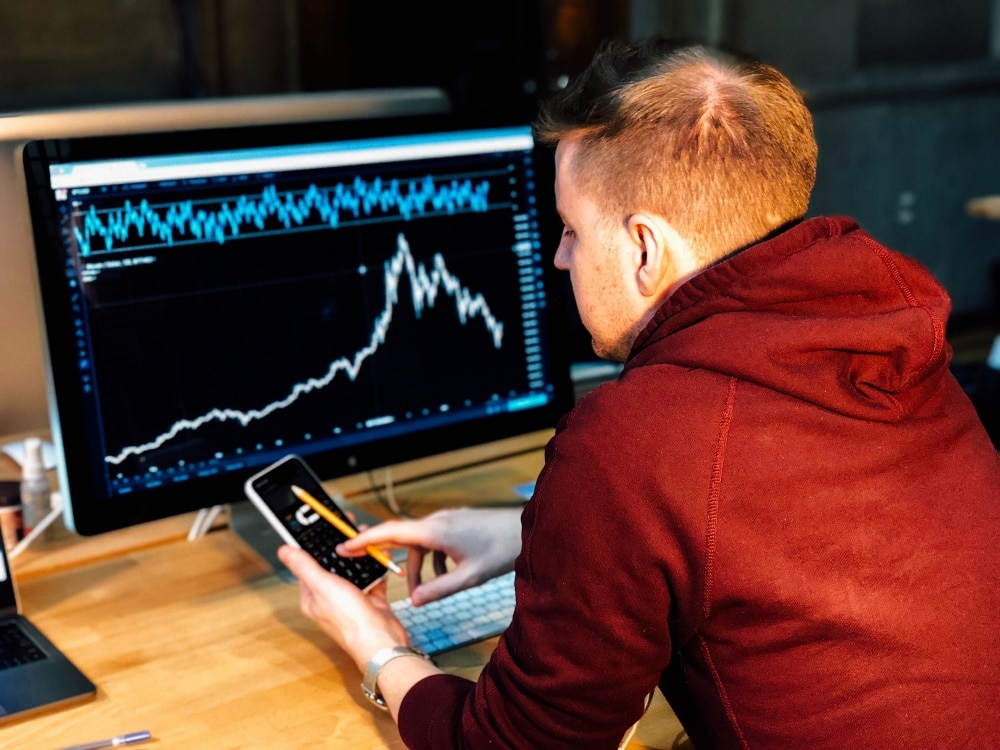
Commodities are the most important asset class on the planet, comprising roughly half of all global investment.
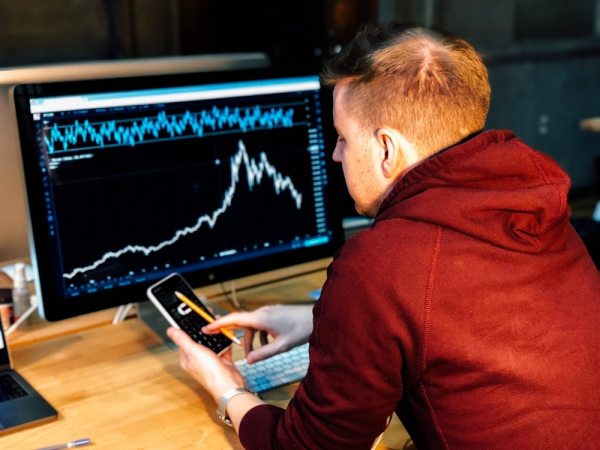
Commodities markets mainly involve the primary economic sector rather than manufactured goods. Goods like gold and oil are traded. Digital currency, as its name suggests, is traded firmly on digital platforms.
Bitcoin, the world's best known cryptocurrency, is buzzing as it continues to deliver robust returns through 2020. Unlike the speedboats that cool bitcoin bulls in the long - speculative - trading fund (ETF), the new physical bitcoin would hold.
Let's start with how Bitcoin will fare against commodities this year. Bitcoin rose about 80 percent in 2017, driven by increasing interest from institutional investors, demand for trading in cryptocurrencies and other factors. In January, the value of a single bitcoin topped $19,000, an all-time high.
Commodities are the most important asset class on the planet, comprising roughly half of all global investment. According to a paper from Goldman Sachs, the money managers at the top 15 asset management firms have a combined $900 billion in commodities investments, about 22 percent of the industry total. The move into the industry will put pressure on exchange operators like NYSE and ICE, which currently account for about 62 percent of trading volume.
Related stories
The Current State of Commodities
The vast majority of commodity assets are traded in traditional futures contracts (i.e. oil, gold, and other precious metals), which require significant research and know-how on the part of investors. Hence, many large institutional investors shun these instruments. However, there are alternative forms of commodity trading where cryptos can take over, which is very interesting from a liquidity perspective. For example, there are 1,350 gold mining companies that have their shares listed on U.S. exchanges (NYSEARCA: GDX), but less than 1% of these firms are thought to be liquid. On the other hand, more than 100 publicly traded cryptocurrencies are listed on the Ethereum blockchain network (i.e. ETH) and a greater number of the more popular (and widely traded) coins on the Bitcoin blockchain network. Thus, it seems that cryptocurrencies could play an important role in improving the flow of commodities in the future.
Commodities are the most important asset class on the planet, comprising roughly half of all global investment.
A potential benefit of using cryptocurrencies as a hedging tool is that they can help limit the risk of losing a big amount of money on transactions. Moreover, they do not require counterparty risk because they are accessible via the internet and can be bought and sold at any time. This is one of the main reasons why most of the high-frequency trading traders (such as Virtu Financial Inc. (NASDAQ: VIRT) and DRW Holdings) have developed proprietary algorithms for these securities to trade on short-time horizons. On the other hand, conventional futures contracts are traded on days or months in advance, which becomes very risky when it comes to determining the price of a metal.
For example, consider the case of oil. The 2014 oil price collapse can be largely attributed to weak demand in China, which resulted in an enormous inventory buildup. However, oil inventories remain above the five-year average even though China's demand has significantly recovered from 2015. More importantly, the impact of weak demand in China on the oil price had to be included in the model of the futures traders. Therefore, it would be easier for the traders to avoid losses in volatile oil prices.
This is also one of the reasons why some investors believe that cryptocurrencies could replace commodities in their portfolios. For example, Peter Lee, who is the CEO of Genesis Trading, has estimated that the cryptocurrency market could be worth more than $10 trillion by 2020. Therefore, it's logical to assume that it's possible that cryptocurrencies could become a dominant asset class that has a high level of liquidity.

Both Crypto and Commodities are more than ready to ride the ladder of success.I think crypto assets will have a profound impact on the evolution of currencies and capital markets over the next 2 - 3 years and ultimately compete with stocks and bonds for people's capital.
So the race is on between cryptos and stocks and bonds for capital.
Comments

Powered by RoundtableAn AI/DeFi-powered Enterprise Media Operating System. Learn more at Roundtable.io.© Roundtable 2026. By using this site you agree to the Terms of Use and Privacy Policy