


Jun 11, 2026 7:00 AM
Updated Jun 14, 2026 8:59 PM
If you’re seeking a full dismissal, a lesser charge, or a way to avoid jail time, the right attorney can mean the difference between a conviction and a second chance.
Being accused of a crime in a city like Los Angeles can be frightening when the punishments include jail time, fines, and a permanent record. Many people think that if someone is in custody, then they are automatically convicted, but that is far from the truth. A good defense attorney gets involved early, challenges the prosecution’s case with factual and procedural arguments, and works to have charges dismissed or reduced before they define your future.
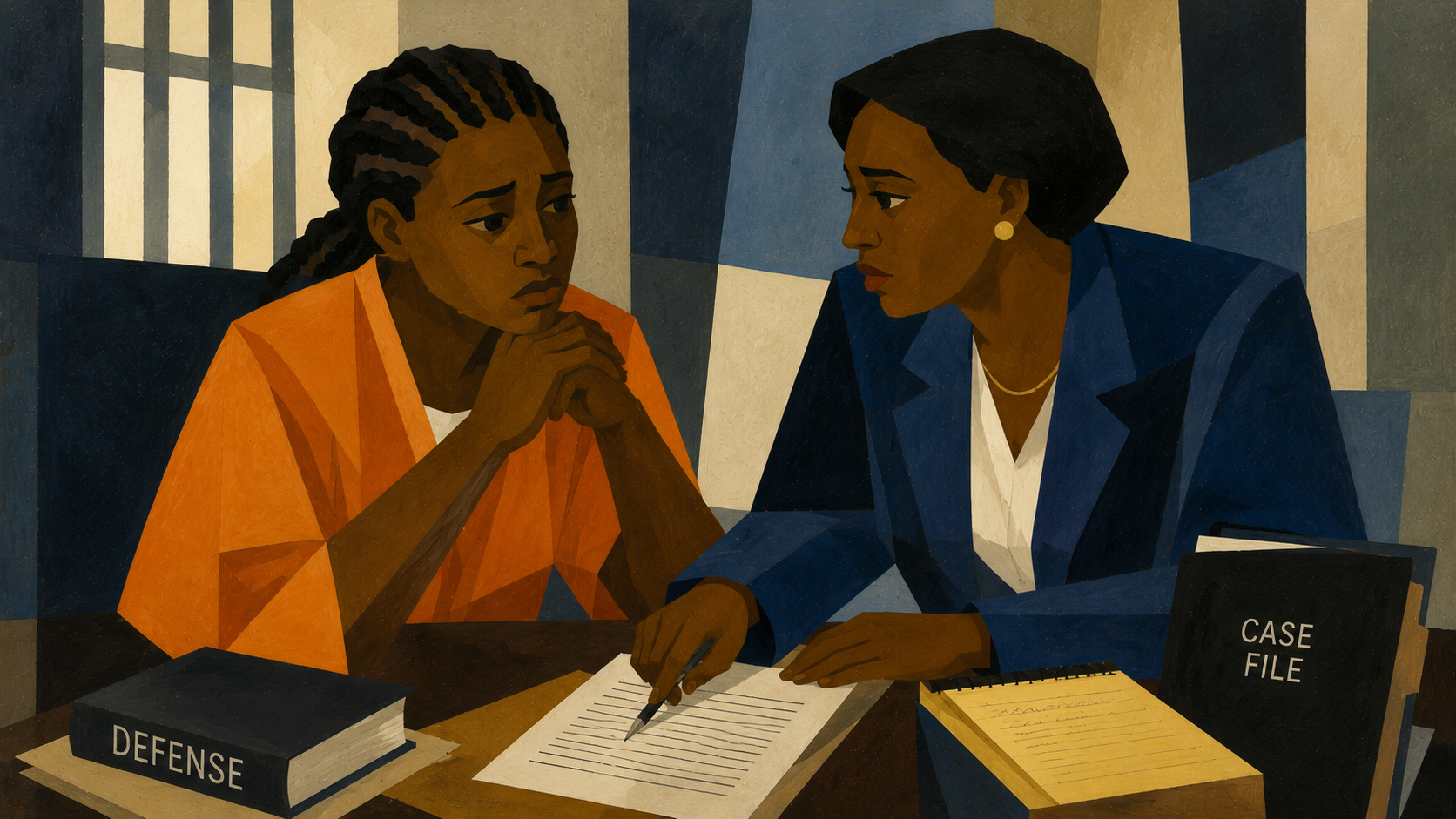
A Los Angeles criminal lawyer doesn’t simply appear in court and hope for the best. They then devise a defense strategy suited to the specific facts of your situation and utilize their investigative, negotiation, and courtroom experience to protect your rights. If you’re seeking a full dismissal, a lesser charge, or a way to avoid jail time, the right attorney can mean the difference between a conviction and a second chance. That's how they work.
Conducting an Independent Investigation
Your attorney doesn’t rely solely on the police report. Law enforcement builds a case for the prosecution, so their investigation is naturally biased toward evidence that supports guilt. A defense attorney starts a separate fact-finding effort that may involve:
- Interviewing witnesses authorities missed or chose not to call
- Collecting and reviewing security camera footage from neighboring businesses or residences
- Hiring private detectives or forensic experts to collect evidence to back up your defense
Related stories
This independent review often finds details that run counter to the prosecution’s story and support your side as you head into negotiations or trial.
Challenging Evidence and Procedures
One of the most powerful weapons in a defense attorney’s arsenal is the ability to attack the manner in which evidence was obtained. If law enforcement violated your constitutional rights in the course of arrest, search, or interrogation, your lawyer can file motions to suppress that evidence. According to the Legal Information Institute, the Fourth Amendment protects against unreasonable searches and seizures by the government and evidence obtained in violation of this right may not be used in trial. If crucial evidence is excluded, this can destroy the entire prosecution’s case.
Skillful Negotiation
Not every criminal case goes to trial, and in many instances a negotiated result is better than a courtroom verdict. Defense attorneys use their knowledge of local courts and their relationships with prosecutors to negotiate favorable outcomes. Negotiation strategies commonly used are:
- Plea bargaining: Reducing serious felonies to misdemeanors with lesser penalties
- Diversion programs: Alternatives to jail, including community service, rehabilitation, or counseling
These results enable defendants to keep a conviction off their record but nevertheless settle the case in a way the court is willing to accept.
Crafting a Strong Narrative
If a case does go to trial, the defense has to do more than poke holes in the prosecution’s evidence. A good attorney humanizes the defendant and tells a good story that connects with the jury. This includes cross-examining prosecution witnesses to reveal contradictions, bias, or memory flaws. The burden is on the prosecution to prove guilt beyond a reasonable doubt and a well-prepared defense prevents that standard from being met.
Guiding You Through the Process
Most people are unaware that there are strict timelines and rules of procedure that govern criminal cases. Each stage, from arraignments and preliminary hearings to pre-trial motions and sentencing, has its own unique requirements and potential pitfalls. A defense lawyer keeps you from making accidental admissions, makes sure all filings are on time, and prepares you for what to expect at every step. This advice will save you from making procedural errors that may jeopardize your defense or cause you to miss opportunities to contest your charges.
Final Thoughts
A criminal charge does not have to lead to a conviction. With the right defense attorney, there are many ways to achieve a good result - from suppression of evidence to negotiation to a strong trial defense. The bottom line is to act early and get experienced legal representation before the case proceeds. At every stage of a criminal case, there are opportunities that only a trained attorney can recognize and act upon. If you are charged with a crime, the single most important step you can take to protect your rights, your freedom, and your future is to retain the services of a qualified criminal defense attorney.
Comments

Powered by RoundtableAn AI/DeFi-powered Enterprise Media Operating System. Learn more at Roundtable.io.© Roundtable 2026. By using this site you agree to the Terms of Use and Privacy Policy