


Jun 27, 2025 7:00 AM
Updated Jul 3, 2025 2:36 AM
Your lifestyle, severity of sleep apnea, and comfort preferences will influence the type of CPAP machine that best suits you.
If you’ve been diagnosed with sleep apnea, getting the right CPAP (Continuous Positive Airway Pressure) machine can significantly improve your sleep quality, daytime energy, and overall health. But with numerous models, features, and accessories available, the process can seem overwhelming. Here are seven expert tips to help you choose the best CPAP machines for your unique needs.
1. Understand Your Prescription Requirements
Before purchasing a CPAP machine, it’s essential to know that it requires a medical prescription. Your doctor will provide pressure settings and indicate whether you need a standard CPAP, an APAP (Auto-adjusting PAP), or a BiPAP (Bilevel PAP) machine.
- CPAP machines deliver a constant air pressure.
- APAP machines automatically adjust pressure based on your breathing.
- BiPAP machines provide two different pressure levels for inhalation and exhalation, often recommended for more severe cases.
Related stories
Discuss these options with your sleep specialist to ensure you’re selecting a machine compatible with your therapy.
2. Choose the Right Type of CPAP Machine
Your lifestyle, severity of sleep apnea, and comfort preferences will influence the type of CPAP machine that best suits you.
- Fixed Pressure CPAP: Best for users who respond well to consistent pressure levels.
- Auto-Adjusting CPAP (APAP): Ideal for individuals whose pressure needs vary during the night or over time.
- BiPAP: Recommended for complex sleep apnea or patients with high pressure requirements or comorbid conditions.
Many experts suggest starting with an APAP machine like the ResMed AirSense 11 Auto for its adaptability and comfort.
3. Consider the Size, Weight, and Portability
For frequent travelers or users with limited space, the size and weight of a CPAP machine matter. Portable travel CPAP machines like the ResMed AirMini offer compact designs without compromising therapy.
Features to look for:
- Lightweight body
- Travel-friendly accessories
- FAA-approved for in-flight use
However, travel units may lack some features found in standard machines, so weigh portability against performance.
4. Prioritize Comfort Features
Comfort plays a significant role in therapy adherence. Look for machines that enhance your experience with:
- Heated Humidifiers: Prevent dry throat and nasal congestion.
- Ramp Feature: Starts at a lower pressure and gradually increases to your prescribed setting.
- Exhalation Relief (EPR or C-Flex): Reduces pressure when you breathe out.
- Quiet Operation: Machines with noise levels under 30 dB are ideal for light sleepers.
The ResMed AirSense 11, for instance, offers all these features, making it one of the most recommended models for new users.
5. Select the Right CPAP Mask
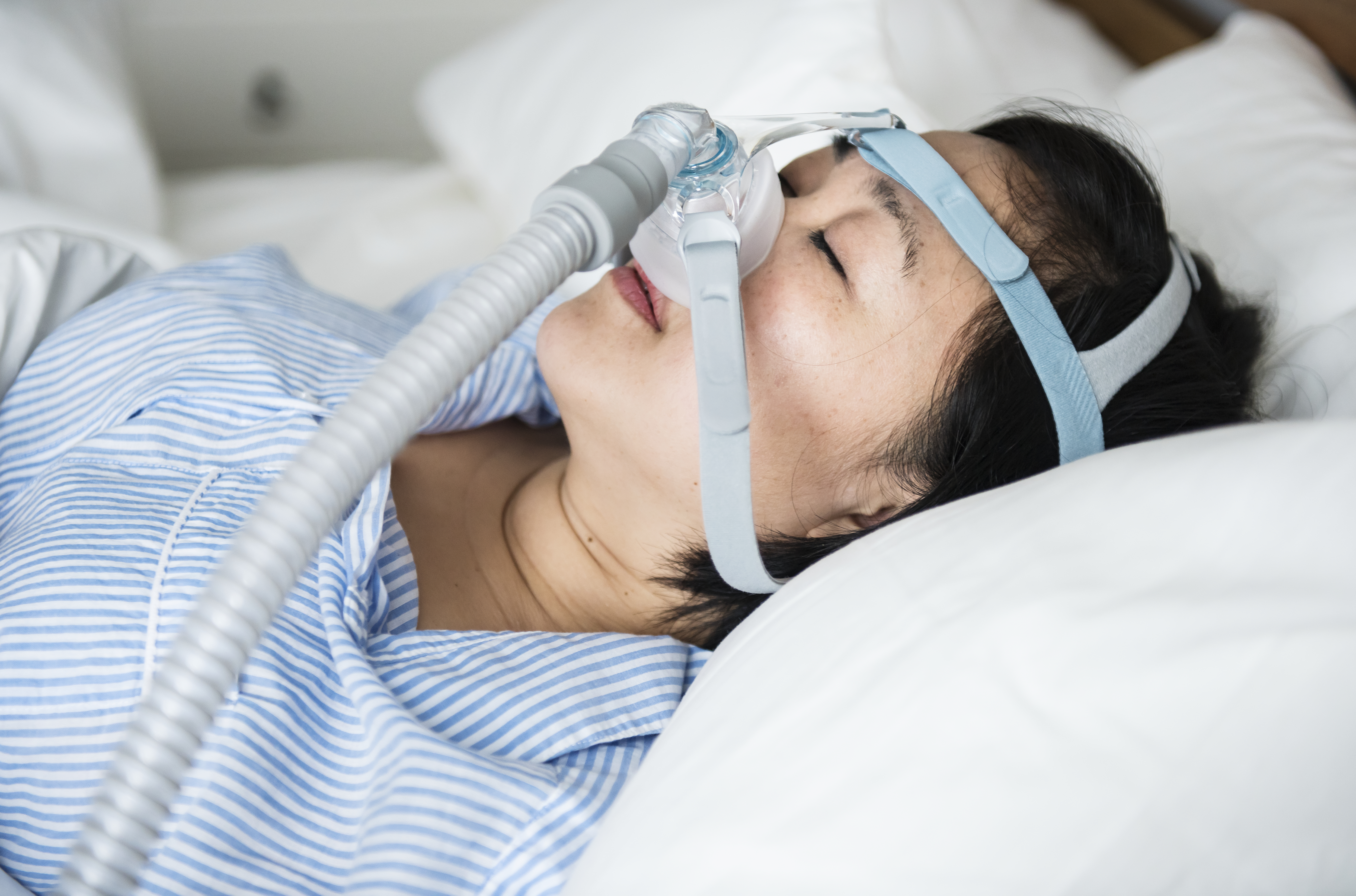
Your CPAP therapy is only as effective as the mask that delivers it. There are three primary mask types:
- Nasal Masks: Fit over the nose; suitable for most users.
- Nasal Pillow Masks: Insert into the nostrils; ideal for side sleepers and those who feel claustrophobic.
- Full Face Masks: Cover the nose and mouth; best for mouth breathers or those with nasal blockages.
Ensure a proper fit to prevent air leaks, discomfort, or skin irritation. Many suppliers offer mask fitting guides or trial periods.
6. Check for Smart Features and Connectivity
Modern CPAP machines often include smart technology that tracks your sleep data and provides feedback.
Look for:
- Bluetooth or Wi-Fi connectivity
- Mobile apps for monitoring therapy progress
- Cloud-based data sharing with your sleep specialist
The myAir app used with ResMed machines offers detailed insights and coaching tips to improve therapy compliance.
7. Buy from a Reputable Supplier with Ongoing Support
Choose a certified CPAP provider that offers after-sales support, warranty, and access to replacement parts and accessories.
Key considerations:
- Is the retailer an authorized distributor?
- Do they offer a trial period or return policy?
- Is customer support responsive and knowledgeable?
You should also ask about long-term costs like replacement filters, masks, or humidifier chambers. Some insurers or healthcare plans may cover CPAP supplies, so check eligibility in advance.
Final Thoughts

Buying the right CPAP machine is a crucial investment in your health. By understanding your prescription, prioritizing comfort and smart features, and working with a trusted provider, you can ensure a smooth transition to better sleep. Whether you're a first-time user or upgrading your existing device, models like the ResMed AirSense 11 Auto continue to be top-rated for reliability, comfort, and effectiveness.
Start your journey toward restful nights by consulting with your sleep specialist and exploring options that fit your lifestyle and clinical needs.
Comments

Powered by RoundtableAn AI/DeFi-powered Enterprise Media Operating System. Learn more at Roundtable.io.© Roundtable 2026. By using this site you agree to the Terms of Use and Privacy Policy