


Jun 11, 2026 7:00 AM
Updated Jun 14, 2026 8:50 PM
Broken bones, spinal injuries, and traumatic brain damage are just some of the outcomes workers face after a fall.
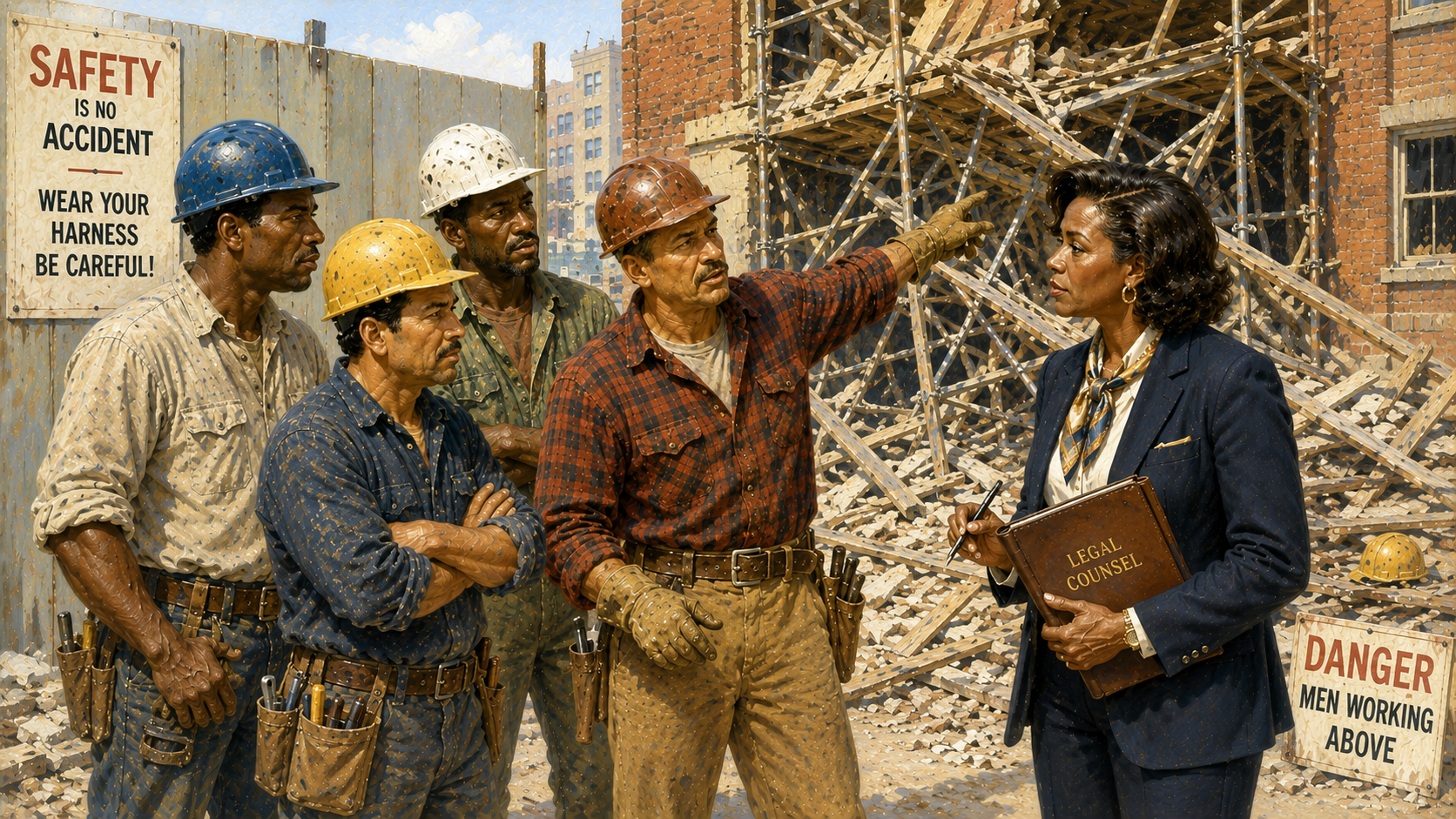
Construction crews work at dangerous heights every single day. New York City's building boom means thousands of workers rely on scaffolding to get the job done. But when that scaffolding fails, the results can be life-altering.
Broken bones, spinal injuries, and traumatic brain damage are just some of the outcomes workers face after a fall. Many of these workers are unsure of what to do next or who is responsible. The legal landscape in New York, fortunately, gives injured construction workers real options. Knowing those options early on can make a huge difference in the outcome of a claim.
What Makes Scaffolding Falls So Dangerous
Scaffolding accidents aren’t minor incidents. A fall from even a modest height can leave someone unable to work for months (or even longer). Across the country, fall-related accidents account for more than 60% of all construction worker deaths, according to federal workplace safety data. In New York City specifically, the Department of Buildings documents dozens of construction fatalities and hundreds of serious injuries each year. That is why speaking with a construction accident lawyer in NYC shortly after a scaffolding fall is so important. These cases involve tight deadlines, complex liability questions, and medical evidence that needs to be gathered quickly.
A scaffolding fall can happen for a number of reasons, including:
Related stories
- Improper assembly or installation of scaffolding parts
- Overloading the scaffold beyond its weight capacity
- Missing guardrails or safety nets along the edges
- Defective scaffold components that break under normal use
- Lack of proper worker training before working at heights
Every one of these causes points to someone else's negligence, not the injured worker's fault.
How New York's Scaffold Law Protects You
New York has one of the strongest worker protection statutes in the entire country. Labor Law Section 240, often called the Scaffold Law, holds property owners and general contractors strictly liable for gravity-related injuries on construction sites.
So, it means that if you fell from scaffolding due to an unsafe condition, the owner or contractor is responsible, regardless of whether you made a mistake yourself.
What This Means for Your Claim
This law removes one of the biggest hurdles in personal injury cases. In most states, the other side can argue that you were partly at fault to reduce your compensation. Under Section 240, that defense does not apply. If the fall happened because the scaffolding was unsafe, the liable parties must pay.
Injured workers can ask for compensation for:
- Medical bills, including surgery, hospital stays, and physical therapy
- Lost wages during recovery and future lost earning potential
- Pain, suffering, and reduced quality of life
- Permanent disability or disfigurement resulting from the fall
The Bureau of Labor Statistics recorded 5,283 fatal work injuries in 2023 alone. Among these, construction remains one of the riskiest industries. New York's laws are made because this level of risk requires high accountability.
Why Timing Matters After a Scaffolding Fall
Waiting too long to take legal action is one of the worst mistakes an injured worker can make. In New York, you generally have three years from the date of the accident to file a personal injury lawsuit. Wrongful death claims have an even shorter window of just two years.
Steps to Take Right Away
Taking quick action can protect both your health and your legal rights. Here’s what you should do first:
- Report the accident to your supervisor before leaving the job site.
- Seek medical attention immediately (even if injuries seem minor).
- Take photos of the scaffolding, the surrounding area, and your injuries.
- Collect names and contact information from any witnesses.
- Avoid giving recorded statements to insurance adjusters before consulting a lawyer.
Evidence can go away quickly on active construction sites. For instance, the following usually happens:
- Scaffolding gets taken down.
- Conditions change.
- Witnesses move on to new jobs.
A lawyer who handles these cases regularly will know how to preserve that evidence before it is gone.
Conclusion
A scaffolding fall can turn your life upside down in seconds. The physical pain is only part of the struggle. Medical debt, lost income, and an uncertain future add up fast. New York law gives injured construction workers a real path to compensation, but only if they act quickly and get the right legal guidance.
Try not to handle insurance companies or property owners on your own. Reach out to an experienced attorney who understands New York construction accident law and can fight for what you are owed.
Comments

Powered by RoundtableAn AI/DeFi-powered Enterprise Media Operating System. Learn more at Roundtable.io.© Roundtable 2026. By using this site you agree to the Terms of Use and Privacy Policy