


Feb 18, 2026 8:00 AM
Updated Feb 22, 2026 6:05 AM
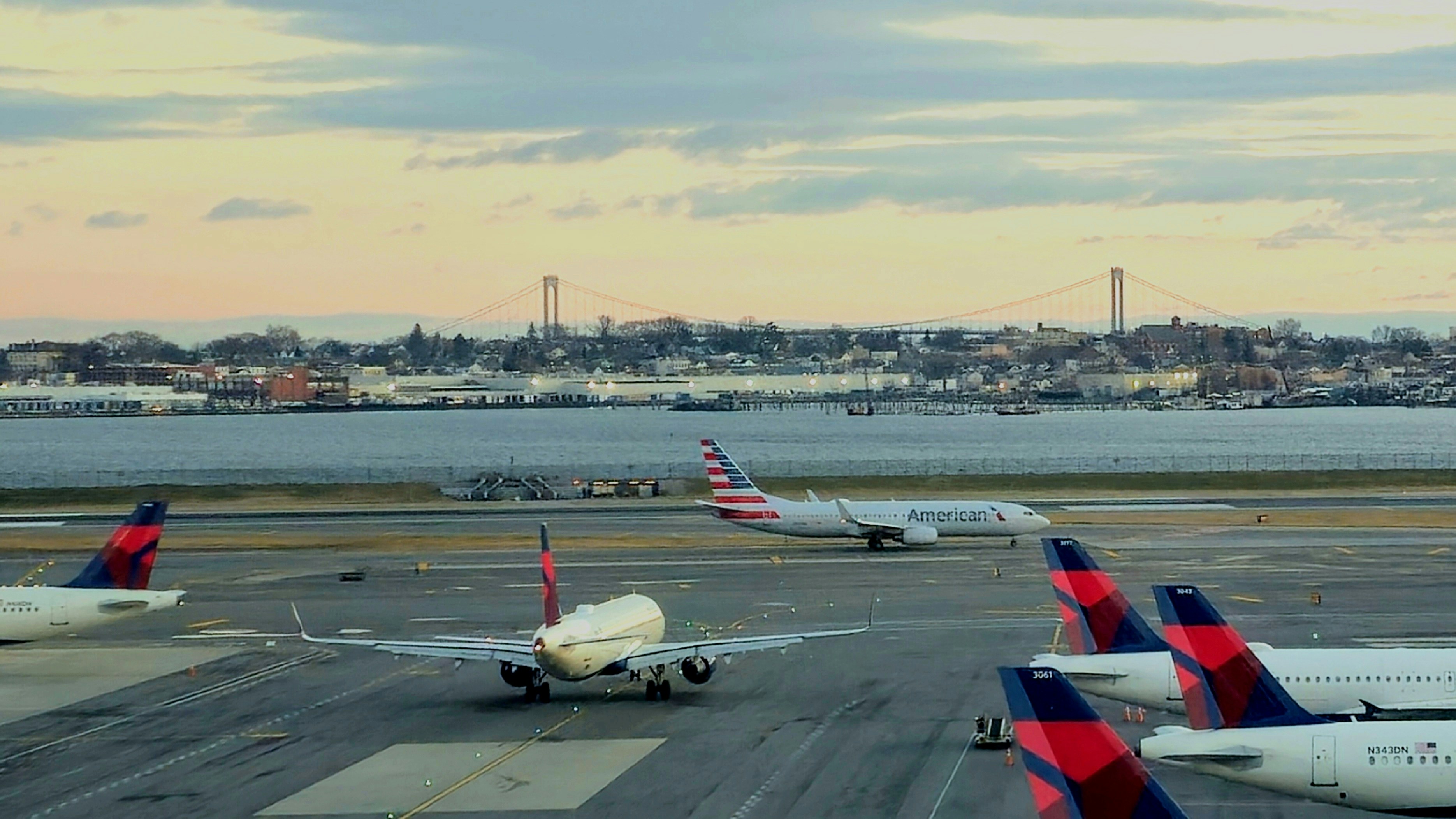
LaGuardia Airport finished extensive renovations that transformed its outdated facilities into modern terminals.
Connecticut residents heading to LaGuardia Airport need to prepare differently from travelers living close to Queens. Private limousine service solves parking headaches and driving stress, but you still need solid information beyond just booking a car. Good preparation creates smooth journeys, while poor planning starts your vacation or business trip with chaos.
Connecticut to LGA Route Options Explained
Your location in Connecticut determines how long you'll spend on the road. Stamford sits closest to LaGuardia, with drives usually taking 45 to 60 minutes when traffic cooperates. Greenwich enjoys even better proximity, often reaching the airport in 35 to 50 minutes. New Haven passengers face longer hauls, typically spending 90 to 120 minutes traveling. Hartford requires the most patience, with journeys extending from 120 to 150 minutes depending on which route you take and how heavy traffic is.
I-95 dominates Connecticut-to-New York travel, serving as the main corridor for most airport runs. This interstate highway cuts through Fairfield County before crossing into the Bronx and eventually reaching Queens. Hutchinson River Parkway presents an alternative that sometimes bypasses I-95 congestion, though parkway restrictions on commercial vehicles complicate matters for certain limousine operators. Cross Bronx Expressway becomes nearly impossible to avoid for eastern approaches, carrying a reputation for slowdowns that frustrate even seasoned drivers. Merritt Parkway attracts drivers seeking scenic routes, but commercial vehicle prohibitions limit its usefulness for professional car services. Experienced chauffeurs keep mental maps of backup routes that kick in when accidents or construction create bottlenecks on main highways.
Book Your Luxury Limo Service in Advance
When you make your reservation directly impacts both availability and pricing for airport limo service in CT. Peak travel seasons drain vehicle inventories quickly, leaving last-minute bookers with few options or sky-high emergency rates. Holidays, summer vacation months, and major event weekends create surges in demand that exceed normal capacity. Booking windows of 24 to 48 hours minimum give operators enough time to prepare vehicles, assign experienced chauffeurs, and set up flight tracking systems.
Related stories
Same-day reservations during busy periods often fail or cost double the normal rates. Professional services need advance notice to arrange chauffeur schedules, perform vehicle inspections, and plan the best routes based on current traffic predictions.
Essential information needed when making reservations includes:
- Flight number and departure time.
- Exact pickup address in Connecticut.
- Number of passengers and luggage pieces.
- Any special requests (child seats, accessibility needs).
Flight monitoring technology requires an advanced setup that same-day bookings cannot accommodate. Without automated tracking, your chauffeur relies only on scheduled pickup times that become wrong when flights are delayed or depart early.
LaGuardia Terminal Changes You Should Know
LaGuardia Airport finished extensive renovations that transformed its outdated facilities into modern terminals. Many Connecticut travelers still remember the old airport setup, making current knowledge essential for smooth arrivals. Terminal B handles numerous domestic carriers, including American Airlines, Southwest, and United operations. Terminal C operates exclusively for Delta passengers, featuring upgraded amenities that represent billions in infrastructure investment. Delta consolidated its LaGuardia presence into Terminal C and adjacent areas formerly labeled Terminal D, creating unified operations under one roof. Airlines stick to consistent terminal assignments, but checking your specific carrier's location before departure day eliminates potential confusion.
Drop-off procedures vary between private vehicles and commercial operations, with designated zones keeping different traffic types separated. Limousines access specific lanes that help efficient passenger unloading while preventing congestion. Port Authority regulations enforce strict curbside time limits that keep vehicles moving during peak hours. Improved signage systems help travelers navigate inside terminals easily now, though external approach roads still puzzle Connecticut residents unfamiliar with Queens street patterns and airport access geography.
Traffic Patterns Demand Generous Time Buffers
New York metropolitan traffic creates unpredictable conditions that vary wildly throughout each week. Weekday mornings between 7 and 9 AM generate southbound gridlock on I-95 as commuters pour into Manhattan. Evening rush hours from 4 to 7 PM worsen situations, particularly near Cross Bronx Expressway intersections leading toward LaGuardia.
Weekend traffic follows different rhythms, with Friday evenings and Sunday afternoons experiencing heavy volume from leisure travelers. Summer months add beach-bound traffic along Connecticut coastal routes. Construction zones appear regularly throughout the I-95 corridor, sometimes adding 30 to 45 minutes beyond normal travel estimates.
Recommended arrival buffers include:
- Domestic flights: arrive 2 hours early.
- International flights: arrive 3 hours early.
- Peak traffic times: 7-9 AM, 4-7 PM weekdays.
- Add 30-45 minutes buffer for I-95 congestion.
TSA security checkpoint wait times change based on passenger volume, staffing levels, and seasonal travel patterns. Monday mornings attract business travelers, while Friday afternoons see vacationers departing for weekend getaways. International departures require additional processing time for customs documentation and passport verification that domestic travelers bypass. Extra buffer time costs nothing but delivers serious stress reduction when unexpected delays pop up on travel day.
Service Provider Credentials Matter for Safety
Legitimate transportation operators maintain proper licensing through state and local regulatory authorities. Connecticut companies running New York routes need specific permits and insurance coverage that protects interstate passengers. Vehicle inspection certificates verify that mechanical safety and roadworthiness standards meet government requirements. Professional chauffeurs complete background checks, drug screenings, and driving record evaluations before companies authorize passenger transport. Commercial liability insurance policies exceed minimum personal auto coverage by substantial margins. Licensed operators maintain certificates readily available for customer review.
Credential verification prevents scenarios where unlicensed operators provide inadequate service or endanger passenger safety through poor training and neglected vehicle maintenance. Reputable companies openly share their compliance documentation and welcome inquiries about regulatory standing. Researching your selected service days before travel prevents last-minute discoveries that leave limited options for switching providers.
Luggage and Documents Need Advance Preparation
Getting organized the night before departure eliminates frantic morning searches for essential items. Connecticut travelers who prepare thoroughly experience calmer mornings and smoother transitions from home to the airport.
Critical items to gather beforehand include:
- Government-issued ID or passport
- Digital or printed boarding pass
- Credit cards and payment methods
- Necessary medications in carry-on
- Phone/device chargers
Smartphone boarding passes offer convenience, but printed backup copies protect against dead batteries or technical failures. International destinations often require passport validity extending six months beyond travel dates, a detail many travelers overlook until too late.
Luggage quantities should align with airline allowances to avoid unexpected excess baggage fees. Medications, valuables, and important documents belong in carry-on bags that stay with you throughout the journey. Standard suitcases fit comfortably in limousine trunks, but oversized items need advance notice. Efficient packing respects the chauffeur's time and keeps departure schedules moving without unnecessary delays.
Pickup Day Communication Prevents Mix-Ups
Clear conversation on travel morning makes sure everyone shares identical expectations about timing and details. Specific pickup addresses matter—rear entrances, circular driveways, or apartment building details prevent chauffeurs from waiting at the wrong spots. Direct contact numbers where you stay reachable throughout the morning help with quick problem resolution. Flight schedule changes happen frequently, requiring prompt communication with your transportation provider. Professional services monitor flights automatically when booked properly in advance, but confirming awareness of changes prevents wrong assumptions. Unexpected delays from Connecticut locations—whether traffic, weather, or personal circumstances—deserve immediate sharing with your chauffeur.
Real-time updates become essential when variables affect original plans. GPS technology assists navigation, but human communication clarifies details that automated systems miss completely. Chauffeurs appreciate passengers who share relevant information ahead of time instead of assuming everything goes perfectly. Mutual respect and straightforward conversation create positive experiences that benefit everyone involved in airport transfers.
LaGuardia Drop-Off Follows Specific Protocols
Curbside arrivals at LaGuardia operate under strict procedures designed to maintain traffic flow and passenger safety. Commercial vehicles stop at designated zones marked with clear signage directing different vehicle types to appropriate areas. Chauffeurs assist with luggage removal, placing bags curbside where passengers immediately grab them. Port Authority regulations limit how long vehicles stay at terminal curbs, typically allowing 3 to 5 minutes maximum. Professional chauffeurs work efficiently to complete passenger and luggage unloading within permitted timeframes. Porter services operate near terminal entrances for travelers needing assistance moving bags inside.
Multiple entrance doors serve each terminal, with drop-off locations generally matching airline ticket counter positions inside buildings. Knowledgeable chauffeurs guide passengers toward appropriate entrances based on carrier and terminal assignments. Airport traffic officers actively enforce curbside regulations, directing vehicles exceeding time limits to move immediately. Familiarity with these procedures beforehand eliminates confusion upon arrival.
Important Contacts Need Multiple Backups
Digital confirmation copies on smartphones provide convenient access, but technology occasionally fails due to dead batteries or lost connectivity. Physical printed backups of limousine reservations, including company contact numbers and chauffeur information, serve as reliable alternatives. Emailing confirmations to yourself creates cloud-based access from any internet-connected device. Emergency contact information for car services should include customer service lines and after-hours numbers. Saving these contacts in phones under easily searchable names helps during stressful moments when quick recall becomes difficult. Backup transportation options like taxi companies or ride-sharing apps provide alternatives when unforeseen circumstances disrupt original plans.
Confirmation numbers, reservation times, and pickup addresses stored in multiple locations protect against single-point failures. Screenshots of critical details survive even when apps malfunction or websites become temporarily inaccessible. Having multiple copies requires minimal effort but delivers enormous value when rapid information access becomes necessary.
Final Morning Checklist Keeps Everything Smooth
Connecticut travelers departing for LaGuardia via private limousine benefit from mental reviews each travel morning. Wake-up times should allow enough preparation without rushing through essential tasks. Weather conditions between Connecticut locations and Queens sometimes call for adjusted departure timing. Double-checking travel documents, medications, and valuables packed in carry-on luggage prevents costly oversights. Flight status confirmation directly through airline apps or websites catches last-minute gate changes or delays. Limousine services appreciate notification when circumstances change overnight or unexpected issues arise.

Luggage positioned near doors enables quick loading when chauffeurs arrive. Home security matters too—adjusted thermostats and locked access points deserve attention before departure. Confirmation numbers and important contacts kept readily accessible on phones prevent fumbling during critical moments. Mental preparation equals physical organization in importance. Connecticut residents investing in private limousine service deserve smooth, professional transportation experiences that begin trips on a positive note instead of stressfully. Careful attention to every detail covered throughout this guide helps create seamless airport arrivals and enjoyable travel experiences from start to finish.
Comments

Powered by RoundtableAn AI/DeFi-powered Enterprise Media Operating System. Learn more at Roundtable.io.© Roundtable 2026. By using this site you agree to the Terms of Use and Privacy Policy