

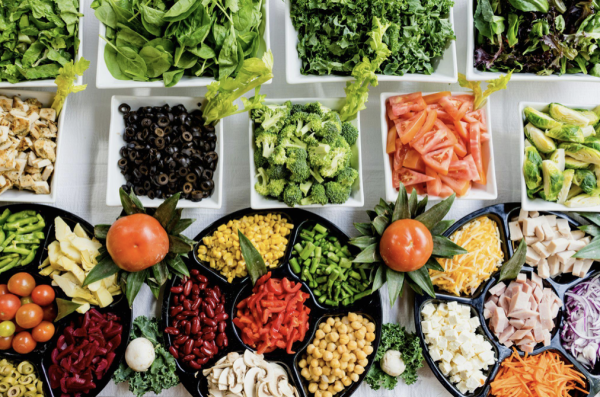
Photo by Cliff Booth on Pexels


Jul 4, 2025 7:00 AM
Updated Jul 9, 2025 2:14 PM
Community health programs play a crucial role in addressing nutrition gaps, enhancing overall public health and fostering community well-being.
In today’s world, nutrition gaps pose significant challenges to public health, affecting individuals and families across various communities. As we strive for healthier lives, community health programs emerge as vital players in bridging these gaps. They not only provide essential resources but also foster awareness and education about nutrition.
In some cases, these initiatives include access to specialized professionals, such as an autoimmune nutritionist, who can address complex dietary needs for those managing chronic conditions.
By leveraging local knowledge and resources, these programs create tailored solutions that address specific dietary needs and promote healthier lifestyles. Together, we can explore how these initiatives work to enhance nutritional access and empower communities to take charge of their health.
Overview of Nutrition Gaps
Nutrition gaps refer to the deficiencies in essential nutrients that can impair health outcomes. These gaps commonly affect vitamins, minerals, and macronutrients, leading to conditions such as anemia, obesity, and chronic diseases. Data from the World Health Organization indicates that nearly 2 billion people experience micronutrient deficiencies globally, highlighting the widespread nature of this issue.
Related stories
Factors contributing to nutrition gaps include socioeconomic status, limited access to healthy food options, and lack of nutritional education. Approximately 10% of households in the United States face food insecurity, making it crucial to address these disparities. Inadequate dietary intake often arises from high reliance on processed foods, which are typically low in nutritional value.
Additionally, cultural beliefs and practices can influence dietary choices, further widening nutrition gaps. Communities with insufficient access to fresh produce encounter elevated risks of nutrition-related health problems. The U.S. Department of Agriculture's Food Access Research Atlas reveals that over 19 million Americans live in food deserts, impacting their overall well-being.
Children are particularly vulnerable to nutrition gaps, as nutrient deficiency during critical growth periods can hinder their development and academic performance. According to the American Academy of Pediatrics, proper nutrition is vital for cognitive and physical development. This emphasizes the need for nutritional interventions, especially within schools and community programs.
Community health programs play a pivotal role in identifying these gaps and implementing localized solutions. By providing nutrition education, access to healthy foods, and resources for cooking and meal preparation, these programs foster healthier eating habits. Our collective efforts in creating awareness and promoting nutritional access enable us to bridge these gaps and enhance community health effectively.
Importance of Community Health Programs
Community health programs play a crucial role in addressing nutrition gaps, enhancing overall public health and fostering community well-being.
Addressing Public Health Concerns
Community health programs tackle significant public health concerns linked to nutrition gaps. By providing access to nutritious foods, these initiatives reduce the prevalence of health issues like obesity and chronic diseases. Programs often focus on at-risk populations, ensuring that those with limited resources receive the nutrition they need. With targeted outreach and support, they elevate public awareness about these health challenges. According to the World Health Organization, nearly 2 billion people are affected by micronutrient deficiencies, highlighting the urgent need for effective interventions. We create inclusive strategies that involve local stakeholders, ensuring that health concerns are specifically addressed in our communities.
Enhancing Nutritional Knowledge
Community health programs enhance nutritional knowledge among residents, empowering individuals to make healthier choices. These initiatives often include educational workshops that cover essential topics such as meal planning, food preparation, and understanding food labels. We tailor the curriculum to the community's specific needs, considering cultural preferences and dietary restrictions. By fostering an environment of learning, we increase awareness of the importance of balanced diets and proper nutrition. Improved knowledge leads to informed decisions that can directly reduce nutrition gaps. Statistics show that individuals with better nutritional knowledge are more likely to adopt healthier eating habits, benefiting overall community health.
Strategies for Effective Implementation
Effective implementation of community health programs hinges on engaging local populations and forming strategic partnerships. These approaches ensure tailored solutions that address specific nutrition gaps.
Community Engagement Techniques
Engaging the community fosters trust and participation. We can employ techniques like surveys and focus groups to gather insights about dietary needs. By hosting nutrition workshops, we provide hands-on cooking demonstrations and meal planning sessions, which encourage active involvement. Social media campaigns can raise awareness about healthy eating and program benefits. Incentives like free classes or discounts on local produce encourage participation and build a sense of ownership among community members. Regular community feedback loops help us refine these initiatives and enhance their effectiveness.
Collaboration with Local Organizations

Collaborating with local organizations amplifies our reach and resources. We can partner with schools, food banks, and healthcare providers to distribute essential nutrition information and healthy food options. These partnerships often secure funding and access to larger networks. Joining forces with local businesses can create sponsorship opportunities for workshops and events, enhancing visibility. Furthermore, involving local health departments ensures programs align with broader health initiatives, promoting cohesion in community efforts. By leveraging the strengths of various organizations, we can create a comprehensive approach to address nutrition gaps effectively. To learn more about the importance of nutrition in public health, check out the Centers for Disease Control and Prevention.
Comments

Powered by RoundtableAn AI/DeFi-powered Enterprise Media Operating System. Learn more at Roundtable.io.© Roundtable 2026. By using this site you agree to the Terms of Use and Privacy Policy