


Jul 28, 2024 7:00 AM
Updated Aug 1, 2024 5:22 AM
Tired of seeing your LA community trashed by litter? It's time to take action.
We know that organizing a community cleanup can seem complicated, with potential bureaucratic hurdles to overcome. But don't worry - we're here to help.
We’ll cut through the red tape and provide you with straightforward steps to make your cleanup a success - covering everything from planning and recruiting volunteers to handling waste disposal and celebrating your achievements.
Key Notes
- Plan strategically by choosing your site wisely, assessing needs, and preparing for potential hazards.
- Build community support through social media, local groups, and businesses to recruit volunteers and gather resources.
- Equip for success with necessary tools, safety gear, and proper waste disposal coordination.
- Celebrate and sustain by sharing achievements to inspire ongoing environmental stewardship.
Step 1: Plan Like a Pro
The first step to developing an effective cleaning program is to pick a spot that needs some TLC. Perhaps there’s a nearby neglected park or your local beach has seen better days.
Related stories
- Check the weather forecast and choose a date when Mother Nature is on your side. Make sure you have a backup day if the weather suddenly turns on you.
- Take a stroll around the area to assess the level of mess you're dealing with. This helps you plan for necessary supplies and estimate how many volunteers you need.
- Keep an eye out for potential hazards. The Environmental Protection Agency recommends assessing the site for necessary supplies and potential hazards before organizing a cleanup.
Step 2: Rally the Troops
Next, it’s time to spread the word and gather support and volunteers for your community cleanup project ideas.
Hit up social media, post posters, and reach out to your local news. Don't forget to tap into schools, businesses, and community groups for support and participation.
Set up an online event page where people can RSVP and stay in the loop.
Assign key roles to keep things running smoothly, such as designating team leaders for registration, supply management, and volunteer coordination.
Step 3: Gear Up
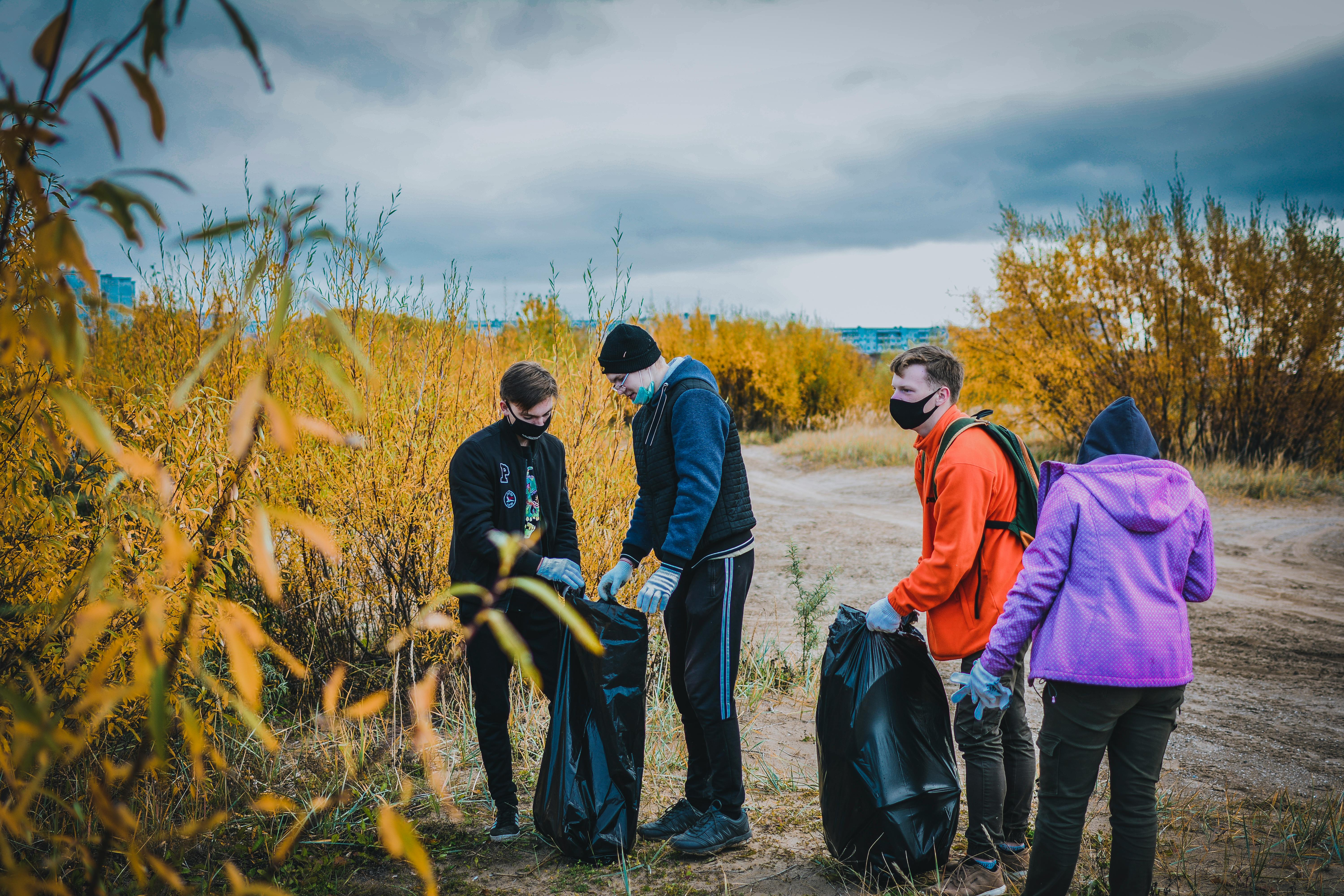
For a successful cleanup, you should equip your volunteers with the right tools. You'll need trash bags, gloves, and handy litter pickers.
Local agencies or cleanup groups could supply you with some gear, so don't shy away from asking for donations.
Keep safety in mind and ensure you have:
- First aid kits
- Hand sanitizer
- Water
- Sunscreen
- Protective clothing
Consider providing trash grabbers, buckets, and recycling bins as well.
Refreshments and snacks are always a nice touch to keep volunteers energized and motivated throughout the day.
Step 5: Cleanup Day
When the big day arrives, kick things off with a quick briefing for your volunteers. Cover the safety basics and dish out tasks.
Split your cleanup zone into sections and assign teams to each one. This keeps things organized and makes sure no trash gets left behind.
Finally, keep an eye on everyone throughout the day and ensure they're taking breaks and staying hydrated. After all, happy volunteers are productive volunteers.
Step 6: Throw Out The Trash
Once you've collected all that junk, it's sorting time. Separate the recyclables from the rest and coordinate with your local waste management folks to ensure it all ends up in the right place.
Consider a handy same-day delivery and pick-up dumpster rental and rely on waste professionals to cart the trash away.
We consulted with The Green Dumpster, a local dumpster rental company in Los Angeles. They recommend these sizes for community cleanup events, as it provides ample space for a day's worth of collected trash without overwhelming the cleanup site:
- Small Community (Up to 50 people): 10-yard dumpster
- Medium Community (50-100 people): 20-yard dumpster
- Large Community (Over 100 people): 30-yard dumpster
Step 7: Celebrate Your Success
Once the cleanup is over, take time to celebrate your accomplishments. Throw a little get-together to thank your awesome volunteers and share the cleanup results, such as the amount of trash collected and the areas cleaned.
Post before and after pics on social media and send them to local news outlets. It's a great way to raise awareness and get more people excited for next time.
Step 8: Keep the Momentum Going
Don't let the good vibes die - encourage everyone to keep up the great work. Plan regular cleanups and push for better waste management in your community.
Legal and Regulatory Considerations
While organizing a community cleanup is all about working together to keep shared spaces pollution-free and beautiful, there may be some regulatory legalities to consider.
These include:
- Permits: You might need permits for certain areas, so check with local authorities. For example, if you’re thinking of a beach cleanup in Los Angeles, you’ll need to apply for a beach cleanup permit.
- Insurance and Liability: Consider getting insurance or having volunteers sign waivers to cover your bases.
With some planning, the right supplies, and a group of eager volunteers, you can make a real difference in your neighborhood.
Conclusion
Organizing a community cleanup day is a rewarding journey that starts with careful planning.
Remember to choose your cleanup site thoughtfully, considering potential hazards and necessary supplies. Spread the word effectively to gather volunteers and support from local groups. Equip your team with the right gear, focusing on safety and efficiency.

On the big day, provide clear instructions and manage your volunteers well. Ensure proper waste disposal and recycling. After the event, celebrate your success and share the results to inspire future participation.
By following these steps, you'll clean up your Los Angeles community and foster a sense of environmental responsibility. Your efforts can spark a lasting change, turning a one-day event into an ongoing commitment to keeping your neighborhood clean and beautiful.
Comments

Powered by RoundtableAn AI/DeFi-powered Enterprise Media Operating System. Learn more at Roundtable.io.© Roundtable 2026. By using this site you agree to the Terms of Use and Privacy Policy