
Farming Without the Bank


Commercial Grain Farming
Jun 12, 2024 7:00 AM
Updated Jun 14, 2024 10:16 PM
Discover how much capital is required to start commercial grain farming. Learn essential details to secure your investment.
Have you ever dreamed of golden wheat fields swaying in the breeze or endless rows of corn? If so, commercial grain farming might be for you!
But before planting seeds and harvesting crops, there's a vital question: How much capital is needed to start? In this guide, we'll explore the financial landscape of grain farming.
We'll uncover essential investments and hidden costs. So grab your sun hat, and let's see what it takes to turn potential acres into thriving farms!
Understanding the Basics
Related stories
Before talking numbers, it's vital to understand the basics of commercial grain farming. This type of farming involves growing and harvesting crops.
The types of grain include wheat, corn, soybeans, and rice for sale in large quantities. These crops are used for a variety of purposes, including food production, animal feed, and biofuels.
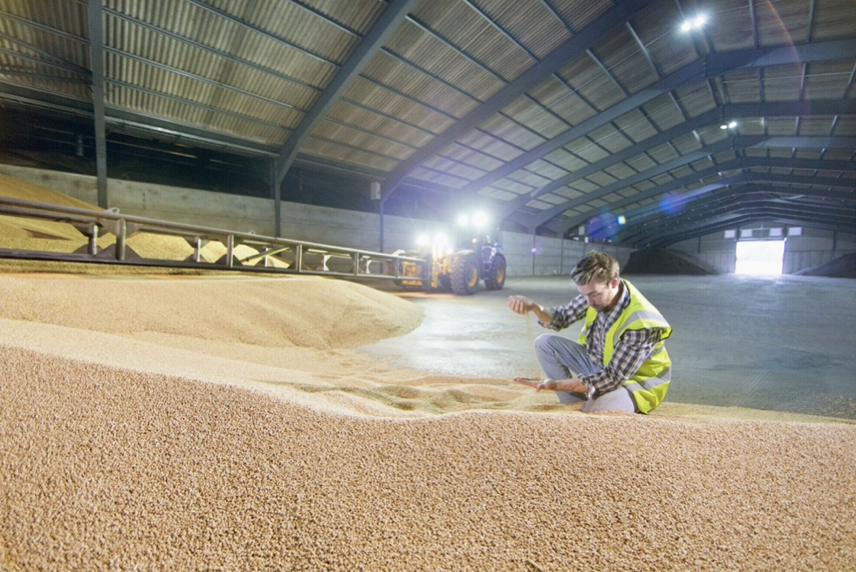
Commercial grain farming requires a significant amount of land, specialized farming equipment, and machinery. It also involves various stages of production, from planting to storage.
For those interested, listening to a podcast on agricultural finance can provide further insights. You'll learn to manage the costs and investments associated with grain farming. Understanding these financial aspects is crucial for any aspiring farmer.
The Big Investments
One of the most significant financial investments is purchasing or leasing land. The capital investment needed will depend on the size and location of the desired land. The type of crops to be grown should also be taken into consideration.
In addition to land, farmers will also need to invest in equipment and machinery. This includes tractors, combines, planters, sprayers, and more. These can range from tens of thousands to hundreds of thousands of dollars each.
Hidden Costs
Some clear costs come with starting a business grain farm, like buying or renting land and buying tools. But there are also some hidden costs that you shouldn't forget about. These include the price of getting licenses and permits. There are also possible fees for environmental rules and water rights.
Other secret costs could include the cost of transporting crops to market or buying more land to build holding facilities. When figuring out how much cash is needed, it's important to remember to include these costs.
Financing Options
Because it costs a lot to start a business grain farm, many farmers may look for other financing options. Banks and other banking institutions may be able to give loans to farmers, but it depends on their finances and credit records.
Some farmers choose to work together with investors or other farms to split costs and resources. These choices may make it easier on your wallet to start a business grain farm.
Managing Cash Flow
After the initial investments, it is vital to monitor the cash flow. Maintaining a healthy cash flow helps the farm stay financially stable and makes processes run smoothly all year.
To do this, they have to keep a close eye on both the money coming in and going out. This includes money coming in from crop sales and going out for things like seeds, fertilizer, labor, and machine repair. They need to make sure they save enough for times when they make less money.
Wrapping up Your Commercial Grain Farming Journey

Embarking on the path of commercial grain farming is undoubtedly a significant venture. It involves meticulous planning and substantial investment. Understanding the financial landscape is crucial, from securing land to navigating hidden costs.
With informed decisions, you can cultivate not just crops but also a successful business. Happy farming!
Check out our site for more!
Comments

Powered by RoundtableAn AI/DeFi-powered Enterprise Media Operating System. Learn more at Roundtable.io.© Roundtable 2026. By using this site you agree to the Terms of Use and Privacy Policy