


Nov 1, 2025 7:00 AM
Updated Nov 5, 2025 1:02 AM
Cereal box packaging is more than a container. It’s a marketing tool, a freshness protector, and a design masterpiece rolled into one.
When you walk down a grocery aisle, it’s impossible not to notice the colorful wall of cereal boxes calling out from the shelves. From classic family favorites to healthy organic blends, every box tells a story — a mix of branding, psychology, and packaging innovation.
Cereal box packaging is more than a container. It’s a marketing tool, a freshness protector, and a design masterpiece rolled into one. This article explores the world of cereal packaging — from its design evolution and materials to sustainability, consumer psychology, and the growing trend of small cereal boxes for modern lifestyles.
1. The Origins of Cereal Box Packaging
The story of cereal packaging dates back to the late 19th century when breakfast cereals first became popular in the United States. Brands like Kellogg’s and Post pioneered not only new food products but also new ways to present them.
Initially, cereals were sold in plain, bulk containers at general stores. Hygiene and freshness were a challenge. It wasn’t until the early 1900s that the concept of pre-packaged cereal in branded boxes emerged — transforming breakfast forever.
Related stories
Cereal box packaging quickly became a symbol of quality and convenience. Consumers could trust that their cereal was clean, fresh, and ready to pour straight from the box. Over time, manufacturers began to decorate these boxes with bright illustrations, mascots, and logos, setting the foundation for one of the most successful forms of retail packaging in history.
2. The Purpose of Modern Cereal Box Packaging
Cereal packaging serves multiple functions beyond holding the product. Modern cereal brands rely on packaging to achieve four primary goals:
a. Product Protection
Cereals are sensitive to air, moisture, and light. Packaging keeps the flakes, puffs, or clusters crispy by providing a tight barrier. Inside every box, a plastic or foil-lined bag seals the freshness until opened.
b. Branding and Marketing
The front of the box acts as a billboard. The logo, mascot, color scheme, and tagline create instant recognition. Cereal brands often use these visual cues to differentiate themselves in a crowded marketplace.
c. Nutritional Transparency
The back and sides of the box provide essential information — ingredients, nutrition facts, allergy warnings, and dietary claims. Today’s health-conscious consumers rely heavily on this data when making purchase decisions.
d. Sustainability and Recycling
With eco-friendly packaging becoming a global priority, many cereal manufacturers now focus on recyclable and biodegradable materials. Brands are also experimenting with minimalistic designs and renewable paperboard to reduce waste.
3. The Anatomy of a Cereal Box
While cereal boxes may look simple, their construction is a carefully engineered process designed to balance durability, aesthetics, and cost efficiency.
Outer Box
Usually made of lightweight paperboard, the outer shell carries the brand’s design, logo, and printed information. This part gives the product its shelf presence and communicates its personality.
Inner Liner
Most cereal boxes contain a sealed inner bag made from plastic or laminated materials. This liner prevents air and moisture from spoiling the cereal. It also helps in portion control and ease of pouring.
Printing and Finishing
Designs are printed using offset lithography or digital methods. Finishes such as matte, gloss, or spot UV coating can make certain design elements stand out — enhancing the overall visual appeal.
Opening and Resealing
Convenience features like easy-open flaps or zip-lock inner bags have become more common. They improve user experience and extend product freshness after opening.
4. The Design Psychology of Cereal Boxes
Ever wonder why kids’ cereals have cartoon characters and bright colors, while adult cereals use muted tones and minimalist designs? That’s no coincidence. Cereal box packaging design is deeply rooted in consumer psychology.
Color Psychology
- Bright colors (like red, yellow, or blue) capture attention and are often used for children’s cereals.
- Earthy or neutral tones (like beige, green, or brown) suggest health and natural ingredients — appealing to adults.
- Metallic finishes and clean typography often imply premium quality.
Eye-Level Placement
Studies show that cereals targeted at children are placed on lower shelves, with mascots’ eyes designed to meet a child’s gaze. Meanwhile, high-fiber or diet cereals for adults are placed at eye level for grown shoppers.
Mascots and Characters
Characters like Tony the Tiger or Lucky the Leprechaun become emotional anchors for brands. They foster familiarity and nostalgia, turning a box into a storytelling medium.
5. Packaging Materials: From Paperboard to Biodegradable Films
The evolution of cereal box packaging materials has been driven by both innovation and sustainability. Manufacturers carefully choose materials based on cost, performance, and environmental impact.
a. Paperboard
This is the most common outer material. It’s lightweight, printable, and recyclable. Paperboard provides a sturdy structure and smooth surface for high-quality graphics.
b. Plastic Liners
Polyethylene and polypropylene liners are used to keep cereals dry and crisp. Some brands are transitioning to bio-based or compostable liners to minimize plastic waste.
c. Laminated Coatings
Foil or wax coatings enhance moisture resistance. However, they make recycling more difficult, which is why many companies are phasing them out in favor of pure paperboard.
d. Recycled and Sustainable Alternatives
Some brands now use 100% post-consumer recycled cardboard or FSC-certified paper. Others print with soy-based inks to further reduce environmental impact.
6. The Rise of Small Cereal Boxes
In recent years, small cereal boxes have gained immense popularity. They cater to changing lifestyles, travel habits, and health trends.
a. Convenience and Portability
Mini cereal boxes are perfect for on-the-go breakfasts, hotel buffets, school lunches, and portion control. Their compact size makes them easy to pack and store.
b. Portion Management
With obesity and dietary awareness on the rise, smaller packaging helps consumers manage their intake without measuring servings manually.
c. Trial Packs and Variety
Manufacturers use small cereal boxes for promotional multipacks. Consumers can try different flavors without committing to a large box.
d. Eco-conscious Packaging
Less material per unit means less waste. Many small box formats are designed using thinner paperboard or mono-materials that are easier to recycle.
7. Cereal Box Packaging as a Branding Powerhouse
Cereal brands use their packaging to build long-term recognition and loyalty. Successful packaging goes beyond looks — it creates an identity.
Logo Placement and Typography
Consistent logo positioning ensures easy recognition even from afar. Fonts convey emotion — playful for kids’ cereals, bold for energy-packed brands, and serif for traditional blends.
Storytelling on the Box
Modern brands often print origin stories, farming practices, or community initiatives. This adds authenticity and appeals to conscious consumers who value transparency.
Limited Editions and Collaborations
Special edition cereal boxes featuring movie tie-ins, sports teams, or cultural icons attract collectors and casual buyers alike. These limited runs boost sales and create excitement.
8. Sustainability and the Future of Cereal Packaging
The packaging industry is undergoing a green revolution, and cereals are at the forefront of this change. Consumers are now as interested in how the box is made as they are in what’s inside it.
a. Recyclable Packaging
Many brands have pledged to make all cereal boxes fully recyclable by 2030. This involves eliminating mixed materials and ensuring that both the outer and inner layers can be processed easily.
b. Plastic-Free Initiatives
Some companies are experimenting with paper pouches that can replace plastic liners entirely. Early trials show promise in maintaining freshness while reducing carbon footprint.
c. Digital Printing for Efficiency
Digital printing reduces waste during production runs and allows brands to customize designs regionally or seasonally without large-scale retooling.
d. QR Codes and Smart Packaging
Interactive packaging is the next big step. QR codes can link consumers to digital content — recipes, nutritional advice, games, or sustainability updates — connecting the physical box with the digital world.
9. The Marketing Impact of Cereal Packaging
Packaging is often called the “silent salesman” — and cereal boxes prove this every day. Here’s how design influences buyer decisions:
- 90% of shoppers say visual appearance affects their buying choice.
- Color contrast between cereal types helps distinguish flavor or ingredient categories.
- Typography hierarchy ensures that key information like “Gluten-Free” or “High Fiber” grabs attention instantly.
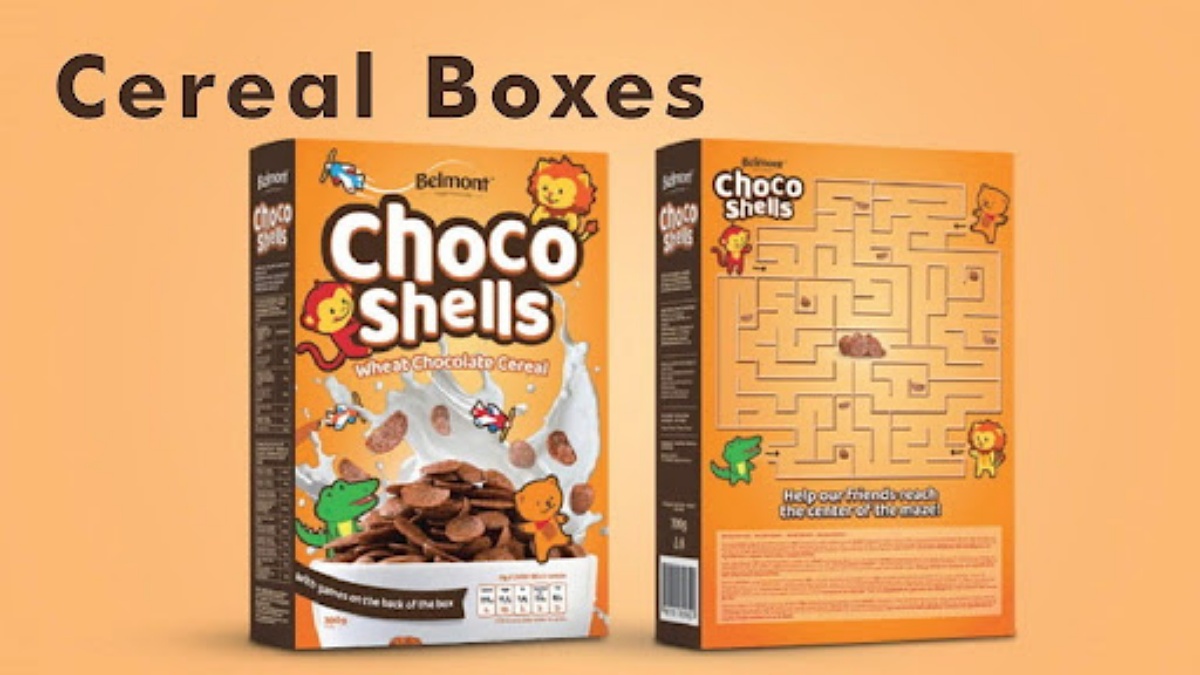
- Back-of-box content such as puzzles, fun facts, and nutrition education make the product engaging beyond the first use.
10. Innovation Trends in Cereal Box Packaging
As technology evolves, so do cereal boxes. Here are some of the most exciting innovations shaping the future:
a. Smart Cereal Boxes
Some brands are experimenting with NFC chips or augmented reality (AR) features. Scanning the box can trigger interactive games or show nutritional videos.
b. Transparent Windows
To emphasize freshness and authenticity, certain premium cereals now feature small transparent windows that reveal the product inside.
c. Minimalist Packaging
Consumers increasingly prefer simple, clean designs that focus on natural imagery and clear communication rather than cluttered visuals.
d. Reusable and Resealable Boxes
Innovations in folding design and integrated closures allow cereal boxes to be reused, improving practicality and reducing food waste.
11. The Role of Typography and Graphics
Typography and graphics are essential in communicating brand tone. Every word printed on a box is part of the brand’s voice.
- Bold Fonts convey energy and confidence.
- Script Fonts imply elegance or tradition.
- Sans-serif Fonts feel modern and clean.
Illustrations and photography are carefully selected to evoke appetite and trust — glossy images of cereal bowls with milk splashes are classic attention-grabbers.
12. Cereal Boxes as a Tool for Education and Engagement
Beyond branding, cereal boxes often serve as educational or entertainment tools.
For decades, back panels have featured puzzles, trivia, comic strips, or health messages.
Modern brands are reviving this tradition through QR codes that lead to online games or kid-friendly learning portals. This strategy deepens brand engagement and extends the experience beyond breakfast.
13. Private Labels and Customization
With more grocery chains launching private-label products, custom cereal boxes have become a competitive differentiator.
Smaller brands can now design custom-printed boxes with short-run digital printing, allowing them to compete with major players in terms of shelf appeal. Custom packaging also enables niche targeting — such as gluten-free, vegan, or protein-enhanced cereals.
14. The Economics of Cereal Packaging
Behind every attractive box lies a strategic cost decision. Packaging typically accounts for 8–12% of a cereal product’s total cost.
Companies must balance between affordability, sustainability, and design quality. Paperboard price fluctuations, printing costs, and shipping efficiency all play major roles in determining final retail prices.
Smaller boxes may reduce packaging costs per unit but increase cost per gram of cereal due to smaller quantities. Brands often use small cereal boxes as promotional or limited-time offerings rather than standard packaging sizes.
15. The Cultural Significance of Cereal Boxes
Cereal boxes have become a part of popular culture. Collectors treasure vintage designs featuring old mascots or movie tie-ins. Some rare boxes sell for hundreds of dollars online.
This cultural nostalgia keeps older consumers emotionally connected to brands they grew up with while drawing curiosity from younger generations who see these boxes as retro icons.
16. Challenges Facing the Cereal Packaging Industry
Despite its success, the cereal packaging industry faces new challenges:
- Environmental Pressure: Shifting to eco-friendly materials without compromising freshness or cost.
- Consumer Fatigue: Balancing visual appeal with authenticity in a saturated market.
- Supply Chain Issues: Managing global paper shortages and printing costs.
- Digital Competition: Adapting physical packaging to stay relevant in a world where online shopping reduces shelf exposure.
17. The Future Outlook for Cereal Box Packaging
The future of cereal box packaging is dynamic and sustainable. Expect to see:
- Compostable inner liners replacing plastics.
- AI-driven design customization for local markets.
- Recyclable inks and coatings.
- Data-integrated smart boxes that track freshness and customer engagement.
Brands that invest in sustainability and user experience will dominate the next generation of breakfast shelves.
18. Why Packaging Still Matters
No matter how digital the world becomes, physical packaging remains one of the strongest brand touchpoints. Cereal boxes are the first thing consumers touch in the morning — and often, the first impression a brand makes.
Good packaging design builds trust, tells a story, and turns routine purchases into emotional connections. Whether through bold graphics, smart packaging, or sustainability, cereal brands continue to prove that the box is just as important as what’s inside.
Conclusion: More Than Just a Box
Cereal box packaging represents the perfect blend of creativity, science, and strategy. It protects, informs, attracts, and entertains. From family-sized packages that dominate supermarket shelves to small cereal boxes designed for busy mornings, each one reflects evolving consumer values and design trends.

In the end, cereal packaging isn’t just about holding breakfast — it’s about holding attention, loyalty, and imagination. As sustainability and digital integration continue to reshape the industry, the humble cereal box remains one of the most iconic and enduring symbols of modern packaging design.
Comments

Powered by RoundtableAn AI/DeFi-powered Enterprise Media Operating System. Learn more at Roundtable.io.© Roundtable 2026. By using this site you agree to the Terms of Use and Privacy Policy