


Jul 13, 2026 7:00 AM
Updated Jul 19, 2026 4:27 AM
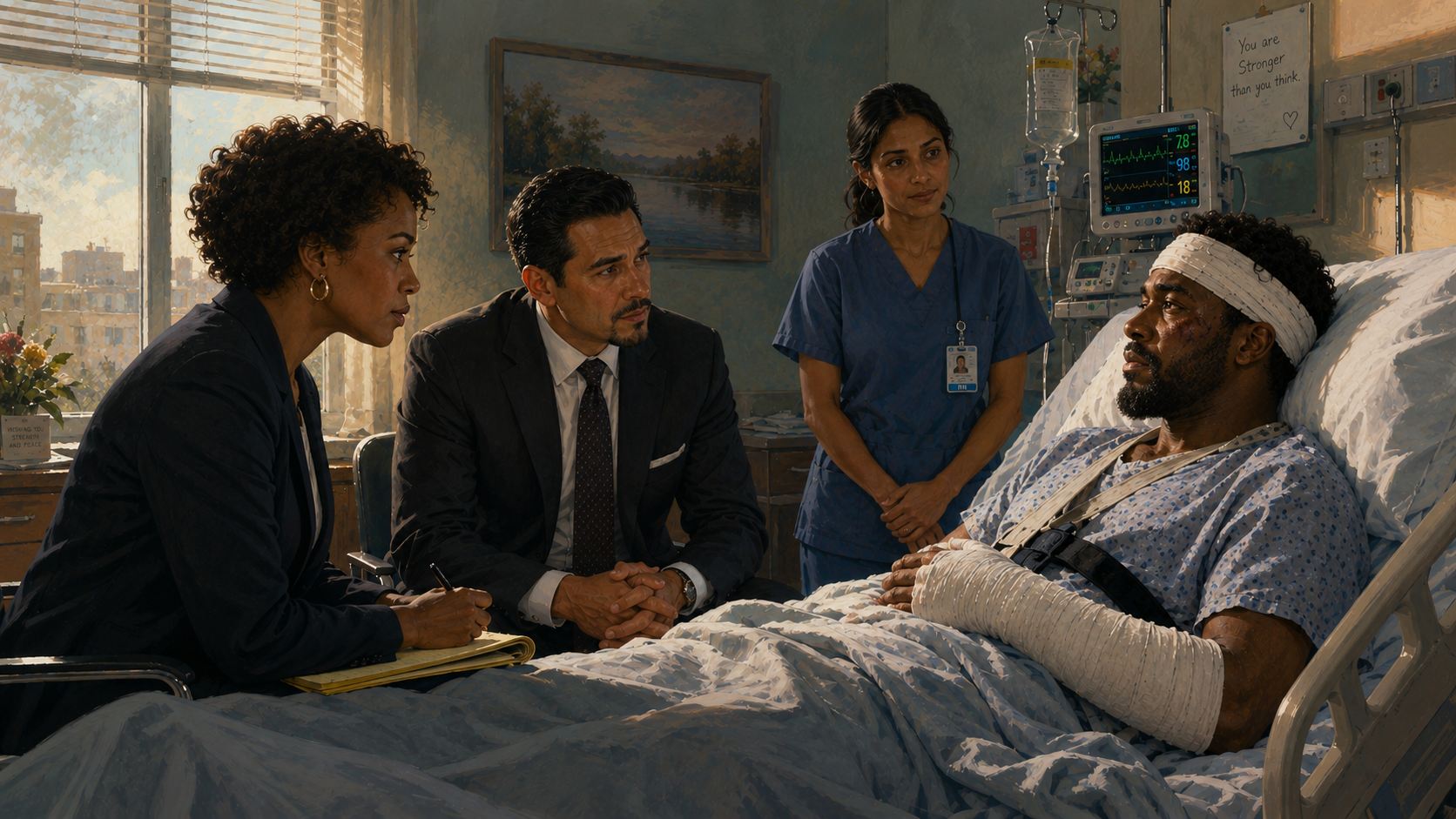
Your attorney works with life care planners and medical experts who map out every treatment, device, medication, and therapy you’ll need for the rest of your life.
The word “catastrophic” isn’t legal jargon designed to sound dramatic. It means the injury changed your life permanently. A spinal cord injury that puts you in a wheelchair. A traumatic brain injury that rewires how you think, speak, and remember. Severe burns across your body. An amputation. These aren’t injuries you recover from in six weeks with some physical therapy. They’re injuries you learn to live around for the rest of your life, and the medical bills, lost income, and long-term care costs that come with them run into the hundreds of thousands. Sometimes millions.
And the insurance company on the other side knows that. They’ve got actuaries who’ve already calculated exactly what your claim might cost them, and their entire strategy is to make sure you settle for less. A Tulsa catastrophic injury lawyer fights that calculation. They know what these cases are worth in Oklahoma courts. They know how local juries respond to catastrophic injury evidence, and they know the difference between a settlement that covers next year and one that covers the next 40. Here are nine reasons that representation isn’t optional when the injury is this serious.
1. Attorneys Understand the Impact of a Catastrophic Injury
Attorneys understand what a catastrophic injury actually costs over a lifetime. The wheelchair you’ll replace every five years. The home modifications. The personal care attendants. The medications that never stop. Most people drastically underestimate the long-term number because they’re thinking about today’s bills while their attorney is calculating the next three decades.
2. Correct Estimation of Future Medical Costs
Future medical costs are projected by actual medical professionals, not guessed at. Your attorney works with life care planners and medical experts who map out every treatment, device, medication, and therapy you’ll need for the rest of your life. That projection becomes a documented number that the insurance company has to contend with.
Related stories
3. Full Calculation of Lost Earnings
Lost earning capacity gets calculated, not just missed paychecks. You might never go back to the job you had before. You might never work at all. Vocational economists calculate what you would’ve earned over your remaining working years, and that figure gets built into the demand. For someone in their 30s, that number alone can be seven figures.
4. Manage Communication with Insurance Adjusters
Insurance companies send their best people for catastrophic claims. These aren’t the same adjusters handling fender benders. These are senior claims handlers and corporate defense teams who specialize in minimizing large payouts. You need someone on your side who operates at that level.
5. Manage Comparative Negligence
Oklahoma’s comparative negligence rules are managed aggressively. The other side will try to shift the blame onto you because every percentage point they pin on you reduces what they owe. Oklahoma’s modified comparative negligence bars recovery if you’re 51 percent or more at fault. Your attorney fights to keep your percentage as low as possible because in a million-dollar case, even 10 percent is $100,000.
6. Identify At-Fault Parties
Multiple defendants are identified. Catastrophic accidents often involve more than one liable party. The driver, the trucking company, the vehicle manufacturer, and the contractor who ignored a road hazard. Your attorney traces every source of liability because one insurance policy might not be enough to cover what you’re owed.
7. Know Local Rules
They know what Tulsa County juries award for catastrophic injuries. Settlement negotiations happen in the shadow of what a jury might do. If local juries have a track record of awarding substantial verdicts for your type of injury, the insurance company knows it and adjusts its offer accordingly. Your attorney uses that leverage.
8. Understand Physical and Emotional Pain
Pain and suffering in a catastrophic case are enormous. The physical pain that never leaves. The depression. The loss of independence. The things you used to do that you’ll never do again. Your attorney documents every dimension because this is often the largest piece of the settlement.
9. Connect with Expert Witnesses
Expert witnesses build a case that the jury can feel. Accident reconstructionists, trauma surgeons, neuropsychologists, life care planners, and economists. Catastrophic cases need this level of testimony because the numbers are so large that jurors need experts to understand why they’re justified.
The Injury Already Changed Everything
You can’t undo it. But you can make sure the person who caused it pays for the full scope of what it costs, not just the part the insurance company hopes you’ll accept. Catastrophic cases are won or lost on preparation, expertise, and the refusal to settle for less than what a lifetime of living with this injury actually demands.
Comments

Powered by RoundtableAn AI/DeFi-powered Enterprise Media Operating System. Learn more at Roundtable.io.© Roundtable 2026. By using this site you agree to the Terms of Use and Privacy Policy