


Feb 1, 2025 8:00 AM
Updated Nov 11, 2025 10:09 PM
One of the most frequently asked questions we get from seniors is: Does Medicare pay for cataract surgery?
Medicare’s been around for decades, but let’s be real—what it covers (and what it costs) changes depending on who’s in charge. Some administrations expand benefits. Others look for ways to cut spending.
Just ask the millions of retirees who got hit with higher premiums when Medicare Part B costs spiked in 2022. Or the seniors who saved thousands when the Inflation Reduction Act capped insulin at $35 a month.
And while Medicare itself isn’t going anywhere, the fine print can shift.
That’s exactly why seniors need to stay sharp when choosing between Original Medicare and Medicare Advantage—especially for big-ticket procedures like cataract surgery, which, by the way, is one of the most performed surgeries in the U.S.!
Related stories
The wrong choice could mean higher out-of-pocket costs, limited doctor choices, and changing benefits over time.
That’s why it’s worth sitting down now and reading this article to figure out which Medicare plan actually works for your health—and your wallet.
1. Does Medicare Cover Cataract Surgery?
One of the most frequently asked questions we get from seniors is: Does Medicare pay for cataract surgery?
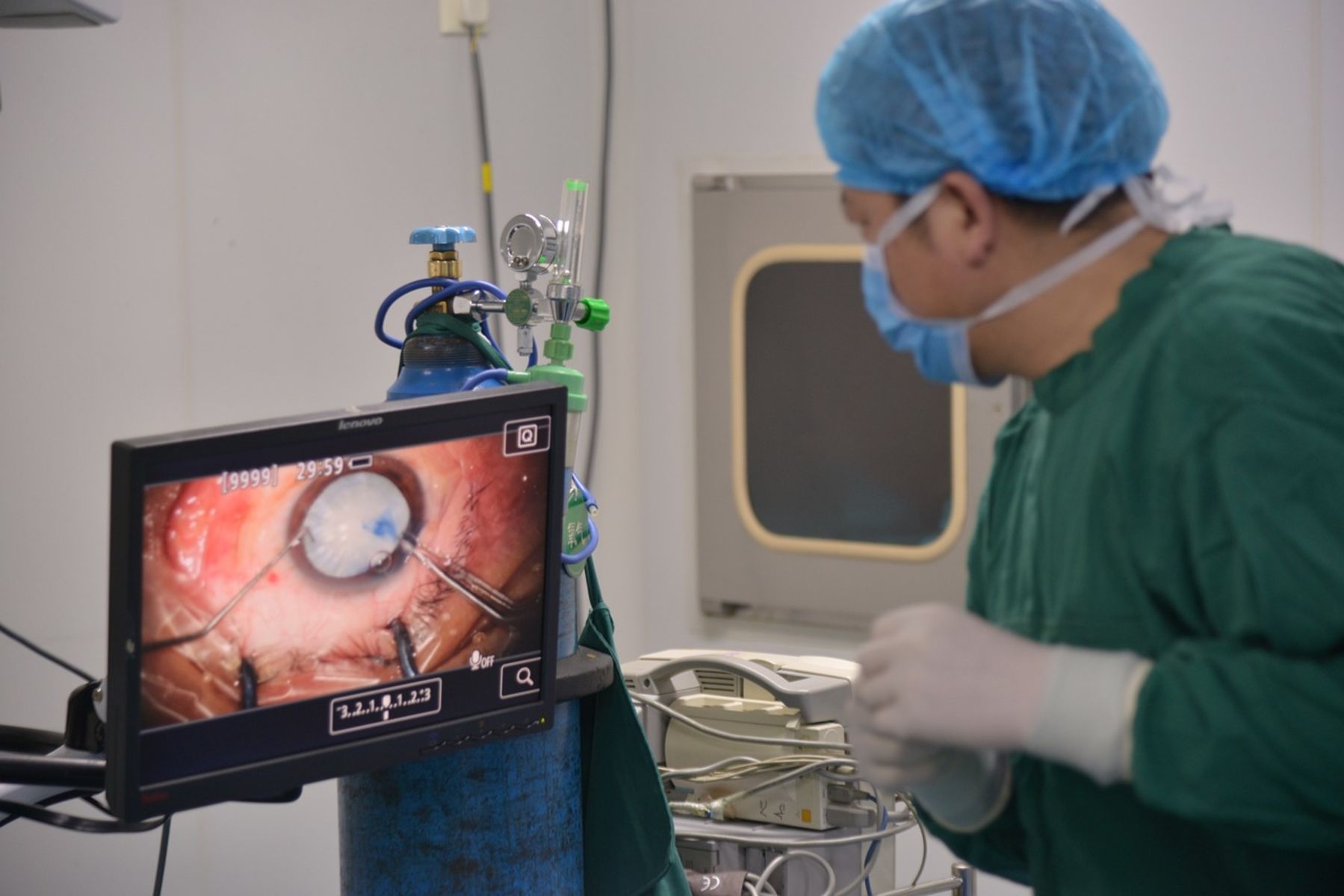
The answer is: Yes, Medicare covers cataract surgery, traditional or laser—as long as your doctor says it’s medically necessary.
That means if your vision has gotten bad enough that it’s affecting your daily life, Medicare will help pay for the procedure.
Keep in mind, though, that not all costs are covered, and the details depend on the type of Medicare plan you have.
For instance, Medicare Part B covers the surgery itself, including cataract removal, a standard intraocular lens, and one pair of eyeglasses or contact lenses after surgery. Part A, however, won't help you much, unless you're admitted to a hospital for complications (which is rare).
On the other hand, if you have Medicare Advantage, your insurer must cover at least what Original Medicare does (but you'll likely need prior authorization, and you'll have to use in-network doctors.).
2. What Type of Cataract Surgery Does Medicare Not Pay For?
Medicare is generous with medically necessary cataract surgery, but anything extra? That’s on you.
If you’re considering premium lenses or laser correction, get a detailed cost breakdown from your doctor. Then, decide if the added expense is worth it.
Here’s exactly what Medicare won’t pay for:
· Premium Lenses—we've mentioned that Medicare does cover a standard intraocular lens, but advanced IOLs like a multifocal lens to ditch reading glasses or a toric lens to correct astigmatism? You’re paying out of pocket.
· Refractive Lens Exchange (RLE)—this procedure is done to correct nearsightedness, farsightedness, or astigmatism for people who want an alternative to LASIK. Medicare doesn’t cover it because—technically—there’s no medical need for the procedure.
· Extra Services for Premium Lenses—Advanced IOLs sometimes require specialized imaging or additional tests to ensure the perfect fit. Since Medicare doesn’t cover the premium lens itself, it won’t cover the added services that come with it either.
· Routine Vision Care—stuff like eye exams for checking general vision health/preventative screenings (unless they're tied to a diagnosed medical condition).
Not so great, huh?
3. Will Medicare Pay for Glasses After Cataract Surgery?
Yes, but only once.
Medicare Part B covers one pair of glasses or one set of contacts after cataract surgery with an intraocular lens (IOL).
To clarify further, we're talking basic lenses and standard frames, and only if they come from Medicare suppliers.
Anything premium and progressive (e.g., frames, lenses, coatings)? Those will, unfortunately, have to come out of your pocket.
4. Original Medicare vs. Medicare Advantage: Key Differences
Okay, so we've already noted some differences between Original Medicare and Medicare Advantage, but let's try to break it down even further so you can see which one makes the most sense for you:
1. Original Medicare for Cataract Surgery (Part A & Part B)
If you want to see any doctor who accepts Medicare anywhere in the U.S., Original Medicare is the way to go.
No networks. No referrals. You’re in control.
Of course, there are also downsides to choosing this option. For instance, if you need prescription drugs, you’ll need to add a separate Part D plan on top of the Original Medicare.
Also, forget dental, vision, and hearing coverage, unless medically necessary.
Oh, and keep in mind that there's a cap on out-of-pocket costs, so if you need frequent care, the 20% coinsurance can add up fast. Medigap helps, but it’s an extra expense.
2. Medicare Advantage for Cataract Surgery (Part C)
The good thing about Medicare Advantage is that it bundles hospital, medical, and (often) drug coverage into one plan. Plus, it throws in extras Original Medicare doesn’t, like:
· Dental, vision, and hearing benefits.
· Gym memberships.
· $0 premiums on some plans (but watch out for copays and deductibles).
You will need to stick to a network, though, and referrals might be required for specialists.
Finally, Medicare Advantage caps your yearly out-of-pocket costs. In 2024, that limit was $8,850 for in-network care (but many plans have lower caps). Once you hit that, your plan covers everything 100% for the rest of the year.
Average Cost of Cataract Surgery with Medicare: Cost Comparison
Say you decide to go for Original Medicare and end up needing cataract surgery.
A standard cataract surgery costs about $5,809 per eye and Medicare pays $4,647 for it.
That means you're only left to pay a $257 Part B deductible and 20% of the Medicare-approved amount (around $1,161). Also, if you have Medigap insurance, your out-of-pocket costs could go down significantly.
Now, should you opt for premium lenses, you'll be responsible for the full cost, and these may range anywhere from $1,000 to $3,000+ depending on the lens. You should also know that laser-assisted surgery is an upgrade and not fully covered by Medicare, so expect to pay an additional $1,000+ out of pocket for it, regardless of which Medicare plan you have.
As for the Medicare Advantage, the costs will vary depending on the network and plan you’re enrolled in.
The average total cost is around $1,906 and Medicare Advantage typically pays around $1,525. You'll be responsible for your copay and any extra costs not covered by your plan. This can range from $100 - $300, again, depending on your plan’s structure.
Note: These costs apply to surgeries done in surgery centers or clinics. They are typically even higher when done in Hospital Outpatient Departments.
Conclusion
Essentially, choosing between Original Medicare and Medicare Advantage for cataract surgery depends on your priorities.
Original Medicare may be your best option if you appreciate physician flexibility and are prepared to pay higher Medigap premiums. On the other hand, if you prefer lower upfront costs and extra vision benefits, Medicare Advantage could be the right fit for you.
Oh, and if you're thinking about switching plans before your surgery, keep in mind that you can only make changes during open enrollment, unless you qualify for a Special Enrollment Period.

That's it for now. So, which plan do you think fits your needs better for cataract surgery? Let us know!
Comments

Powered by RoundtableAn AI/DeFi-powered Enterprise Media Operating System. Learn more at Roundtable.io.© Roundtable 2026. By using this site you agree to the Terms of Use and Privacy Policy