


Apr 11, 2025 7:00 AM
Updated Apr 15, 2025 1:18 AM
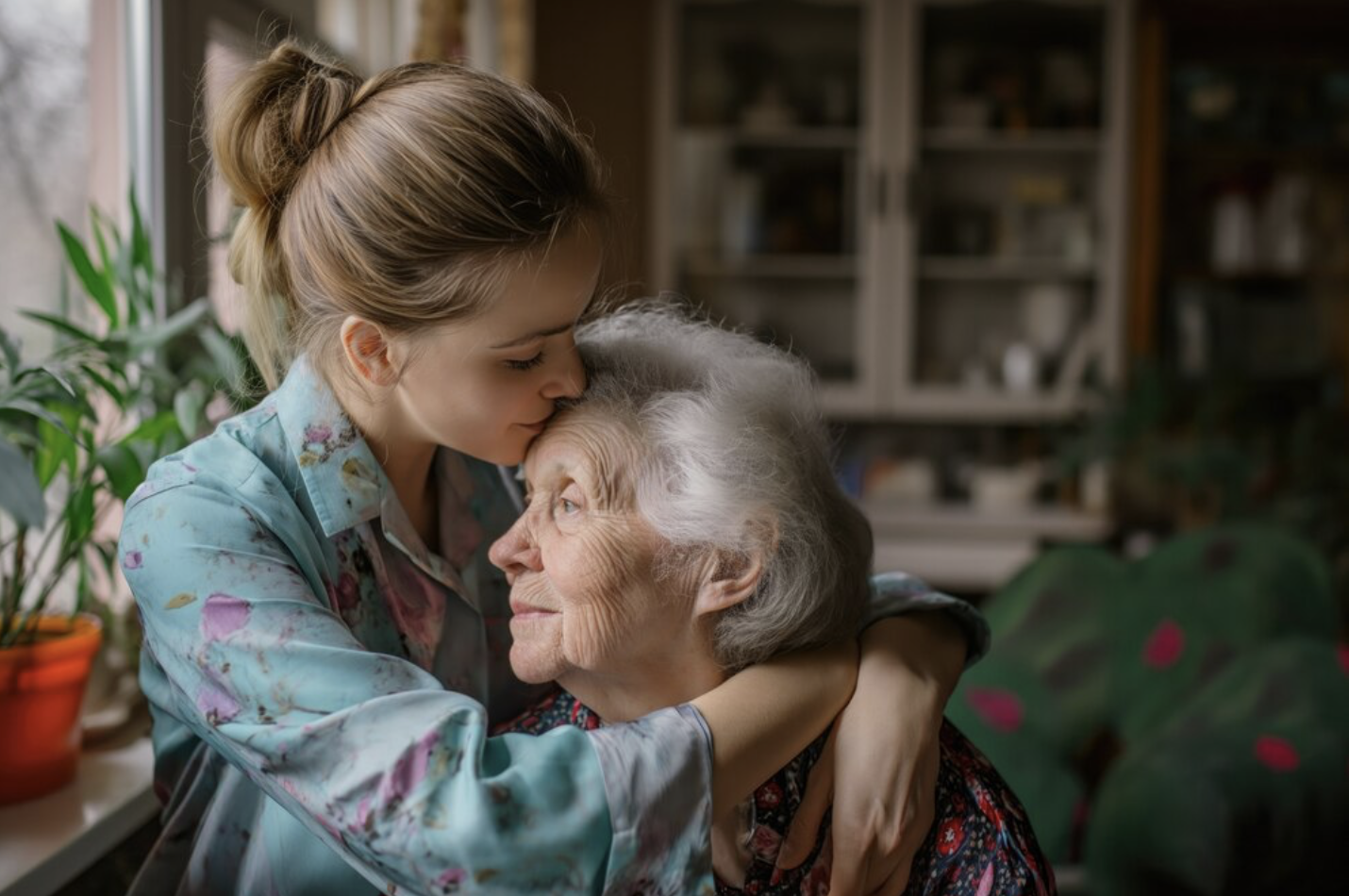
Caring for your loved ones with Dementia is a deep emotional journey.
Has your loved one recently been diagnosed with dementia? The news can bring a whirlwind of emotions, leaving you unsure how to navigate this new reality. You may find yourself struggling to balance your own emotional responses with the practical demands of caregiving.
Questions like, "Will they be well cared for every day?" constantly come to your mind, causing you to doubt whether you can fully support your loved ones through this journey or not, as caring for someone with dementia goes beyond physical assistance. It’s all about providing emotional support so they feel valued, secure, and loved throughout the process.
Let's take a closer look and explore the strategies to care for your loved ones with Dementia with the dignity and care they deserve while maintaining your own well-being.
Caregivers Reality
Caring for your loved ones with Dementia is a deep emotional journey. The emotional toll leaves you isolated and overwhelmed because you struggle to manage your own feelings while caring for your loved ones. Moreover, physical assistance with daily activities like bathing, dressing, toileting, and mobility often coincides with the caregiver's own aging process and creates a cycle of burnout that's difficult to break.
Related stories
It is the time to consider care options like comfort care and hospice care, depending on your loved one's specific needs.
Care Options for Loved Ones with Dementia
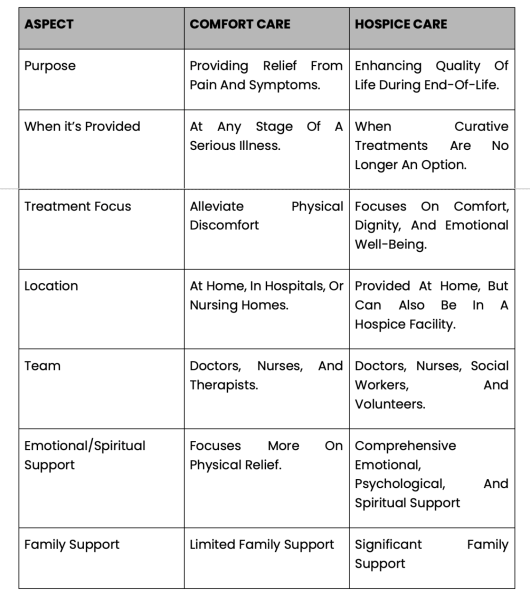
When it comes to caring for your loved ones, consider several care options to meet their different needs. While hospice care is an option for end-of-life care, comfort care is all about relieving the pain and symptoms of an individual during any stage of illness. Let's compare both the options - comfort care vs hospice care to get a clearer picture of which care type can provide the best support to your loved ones.
How You Can Preserve Dignity Through Compassionate Dementia Care?
Every individual living with Dementia has his own journey. Therefore, you should opt for an approach that is tailored to fit each individual needs. No matter what challenges an individual faces, dignity should always remain intact. You should ensure your loved ones feel like important and cherished individuals. Here are a few ways you can preserve your loved one's dignity while caring for them:
Allow Your Loved Ones To Make Choices
Allow your loved ones to make decisions wherever possible. For example, ask for choices like" Would you prefer to wear the blue shirt or the red shirt today? These decisions might seem small, but they enable them to express their preferences.
Maintain Routine and Familiarity
Maintain a predictable schedule of meals and engage in activities, such as listening to music, drawing, or light exercises for people with Dementia. Following a consistent routine will provide a comforting structure to ease the feelings of disorientation. Moreover, it promotes emotional well-being and cognitive stimulation and enhances overall quality of life.
Offer Emotional Support
Suppose your loved ones with Dementia are unable to remember things. Respond to them gently, as being emotionally present can validate their feelings and give them reassurance that they are not alone in their times of struggle.
Use Positive Reinforcement
Encourage your loved ones living with Dementia by recognizing and acknowledging their efforts. For example, you can praise your loved ones for eating meals on their own. This small gesture will strengthen your connection with them and boost their confidence, making them feel competent and valued.
Incorporate Social Engagement
Organize family gatherings where your loved one can interact with familiar faces, whether it's a small chat, a light-hearted game, or sharing memories. The simple act of being around family will bring joy and help them feel loved and connected.
Adapt the Environment
Make small modifications in your home, like using clear signage, labeling doors and drawers, and allowing proper lighting so your loved ones can navigate the environment easily. It will promote mobility and allow them to move safely.
Conclusion: Finding Balance: Compassion, Patience, and Caregiving

Caring for your loved one with Dementia requires compassion and patience to maintain their dignity and overall well-being. Therefore, you should be open to seeking help through respite care, hospice care, comfort care, support groups, or professional caregiving services to prevent your own burnout while caring for your loved ones. The right care options will bring moments of connection and love for your loved ones while maintaining your own well-being. Moreover, taking care of your own health and emotional needs will also make you a compassionate caregiver.
Comments

Powered by RoundtableAn AI/DeFi-powered Enterprise Media Operating System. Learn more at Roundtable.io.© Roundtable 2026. By using this site you agree to the Terms of Use and Privacy Policy