
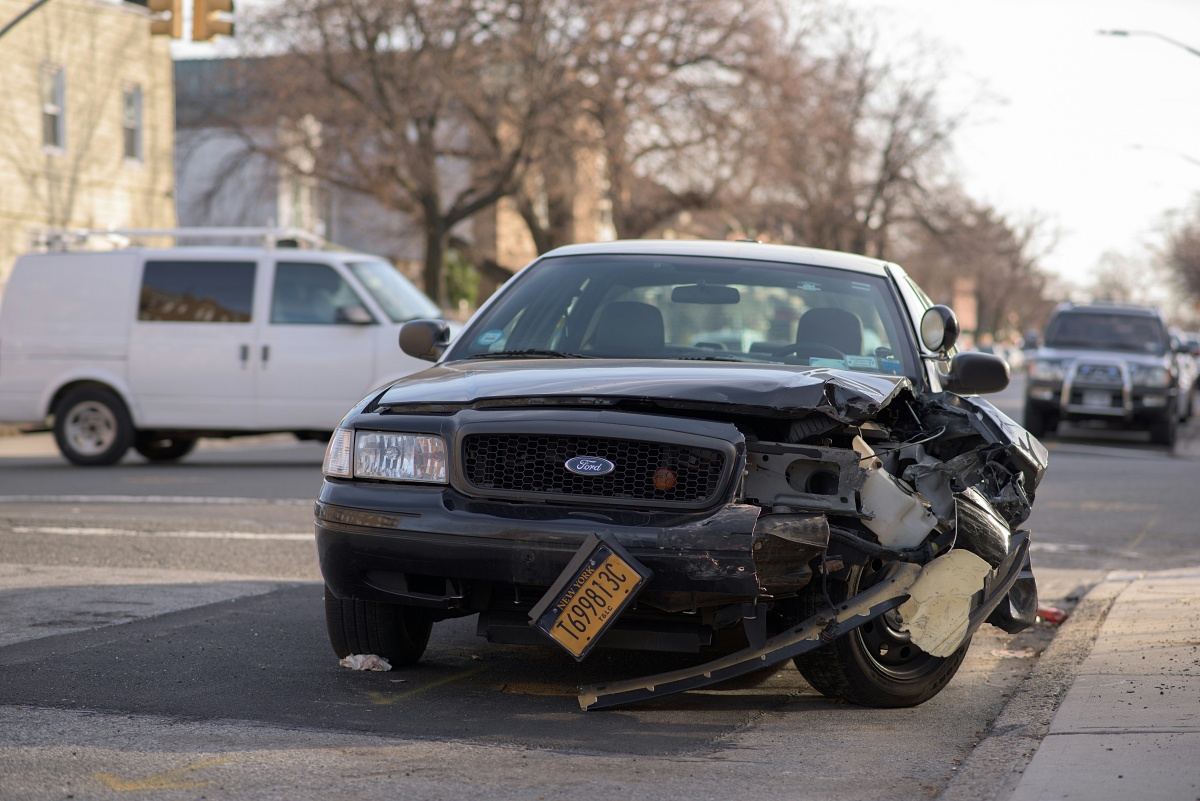


Car Accident Claims
Oct 19, 2024 7:00 AM
Updated Oct 21, 2024 10:19 PM
Victims of accidents caused by speeding may find that their compensation is influenced by the at-fault driver’s speed.
Speeding is a common factor in many car accidents, significantly affecting the outcome of accident claims. Defined as driving above the posted speed limit or too fast for road conditions, speeding can be viewed as a form of negligence.
When an accident occurs, establishing liability is crucial, and excessive speed often plays a pivotal role in determining fault. Insurance companies closely scrutinize speeding incidents, impacting how claims are processed and payouts determined.
Victims of accidents caused by speeding may find that their compensation is influenced by the at-fault driver’s speed. Understanding the implications of speeding not only highlights its dangers but also underscores the importance of adhering to traffic laws to ensure safety and fair treatment in the event of an accident.
Impact on Fault Determination
Determining fault is a crucial aspect of any car accident claim, and speeding can significantly influence this process. When evaluating liability, insurance adjusters and legal professionals will assess the circumstances surrounding the accident, including the speed at which each driver was traveling.
Related stories
- Establishing Negligence: Speeding can serve as clear evidence of negligence, particularly if the driver was exceeding the speed limit or driving too fast for conditions, such as poor weather or heavy traffic. This negligence can directly correlate to the accident's occurrence, making it more likely that the speeding driver will be found at fault.
- Comparative Fault Rules: In states that follow comparative fault laws, the degree of responsibility assigned to each driver can impact the amount of compensation awarded. If a speeding driver is found to be primarily responsible for the accident, their claim may be significantly reduced, or they may be entirely liable for damages.
- Evidence and Documentation: Law enforcement reports, witness statements, and traffic camera footage can provide critical evidence regarding the speed of the vehicles involved. This documentation plays a vital role in establishing fault, as it can confirm whether a driver was speeding at the time of the accident.
Effects on Insurance Claims
Speeding significantly impacts insurance claims, as insurers consider driving behavior when assessing them, often leading to various consequences for both the at-fault driver and the victim. In cases involving speeding, insurance companies conduct thorough investigations, reviewing police reports, vehicle damage, and witness accounts.
Confirmed speeding typically results in claims being processed in favor of the victim due to clear negligence by the at-fault driver. The speeding driver may be liable for damages, such as property and medical expenses, which insurers usually cover up to policy limits.
However, a history of speeding may result in limited payouts or higher premiums due to increased risk. Speeding incidents also often lead to higher premiums, making it challenging for drivers with multiple violations to find affordable coverage.
Consequences for Personal Injury Claims
The implications of speeding extend beyond liability and insurance processes, significantly affecting personal injury claims for victims involved in accidents. When a driver exceeds the speed limit and causes an accident, several factors come into play regarding the compensation that victims may seek.
- Compensation Amounts: Victims of accidents caused by speeding may be entitled to higher compensation, particularly if the speeding driver’s negligence directly contributed to their injuries. The severity of the injuries sustained, combined with the fact that the at-fault driver was violating traffic laws, can justify larger settlement amounts. For instance, injuries from high-speed collisions are often more severe, leading to greater medical expenses and long-term rehabilitation needs.
- Emotional Distress Claims: In addition to physical injuries, victims can seek compensation for emotional distress resulting from the accident. If the speeding driver’s actions are viewed as reckless, courts may award higher damages for emotional suffering, pain, and trauma. This can include anxiety, depression, or post-traumatic stress disorder (PTSD) stemming from the accident.
- Punitive Damages: In cases where the speeding is particularly egregious or reckless, such as excessive speeding in a school zone or during a race, courts may impose punitive damages on the at-fault driver. These damages serve as a deterrent against such behavior and can significantly increase the compensation awarded to victims.
Legal Penalties and Consequences
Speeding in an accident can lead to various legal penalties and consequences, affecting both the driver and the claim process. Typically, speeding results in citations, fines, and points on the driver’s record, which may increase insurance premiums or even lead to license suspension.
Extreme speeding or reckless driving can result in criminal charges, especially if it causes severe injury or death. This may lead to jail time, probation, or community service, complicating the legal situation further.
A speeding violation can bolster civil liability in personal injury claims, as it serves as evidence of negligence, making it more likely that claims against the driver will succeed.
Long-term effects include impacts on the driver’s record and higher insurance rates. Repeated offenses increase risk classification by insurers, further adding to the financial strain for the driver.
Conclusion
Speeding is a significant factor that can dramatically influence car accident claims, affecting liability, insurance processes, personal injury compensation, and legal consequences. Understanding the various ways in which speeding impacts these elements is crucial for both drivers and victims involved in accidents.
By recognizing that speeding can establish negligence and lead to higher insurance premiums, drivers are reminded of the financial and legal risks associated with reckless driving. Victims, on the other hand, can leverage evidence of speeding to strengthen their claims, potentially securing higher compensation for their injuries and losses.

Ultimately, adhering to speed limits and practicing safe driving is essential not only for personal safety but also for the well-being of all road users. The consequences of speeding extend far beyond the immediate moment, emphasizing the need for responsible driving to prevent accidents and the associated complexities in claims. By prioritizing safety, drivers can help create a safer road environment for everyone.
Comments

Powered by RoundtableAn AI/DeFi-powered Enterprise Media Operating System. Learn more at Roundtable.io.© Roundtable 2026. By using this site you agree to the Terms of Use and Privacy Policy