



Mar 31, 2025 7:00 AM
Updated Apr 3, 2025 11:47 PM
If you've ever wondered how to cancel your timeshare, you're not alone.
Owning a timeshare often sounds like a dream—vacations locked in, destinations ready to explore. But for many of us, the reality can feel more like a financial burden than a getaway. If you've ever wondered how to cancel your timeshare, you're not alone. It's a question more and more consumers are asking as they navigate the complexities of contracts and obligations.
The good news? Canceling a timeshare is possible with the right approach and knowledge. This guide’ll empower you with practical steps and tips to regain control of your finances and move forward stress-free. Let’s break down the process so you can make confident decisions about your timeshare journey.
Understanding Timeshares And Why People Want To Cancel
Owning a timeshare might seem attractive, offering recurring vacations at desirable locations. But many owners find themselves reevaluating this investment due to unforeseen issues. For those looking to exit their agreements, resources like How to Cancel My Timeshare can provide step-by-step guidance and support through the cancellation process, helping owners navigate the often complex legal and financial landscape.
What Is A Timeshare?
A timeshare is a shared property ownership model where multiple individuals hold rights to use a vacation property for a specific period annually. These are often sold as fixed weeks, floating weeks, or points-based systems.
Related stories
Common Reasons For Cancelling A Timeshare
Consumers often cite high maintenance fees, unexpected costs, or limited flexibility as main reasons for wanting out. Others realize the long-term financial commitment outweighs the benefits, especially with alternative travel options.
Financial Challenges Of Timeshare Ownership
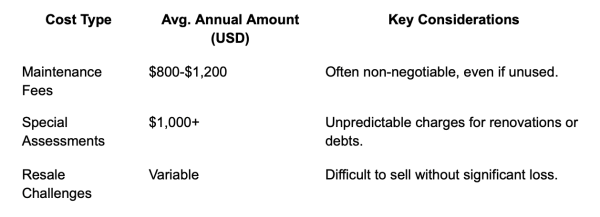
Timeshares typically involve ongoing financial obligations that go beyond the upfront cost. These include annual maintenance fees, often increasing over time, and special assessments for property upgrades or repairs.
Examples of Common Costs Associated with Timeshares:
The inability to control rising costs has made many feel trapped, exploring cancellation as the only viable solution.
Difficulty Of Exiting Timeshare Agreements
Timeshare contracts are often designed to discourage cancellation. Many agreements have perpetuity clauses, meaning ownership passes on to heirs. Also, resale markets are oversaturated, making it hard to recoup the initial investment. Navigating these legal and financial barriers typically requires professional assistance.
Legal And Professional Options For Cancellation
Hiring timeshare exit companies is common, but due diligence is required to avoid scams. Lawyers specializing in contract law provide a more dependable option. Consumers can also contact their resort for rescission programs when available.
Professional organizations like the American Resort Development Association (ARDA) share resources to guide owners in ethical and legal exit strategies.
Owning a timeshare can feel rewarding at first, providing consistent vacation opportunities. But, increasing costs, limited use, and financial commitments often push owners to consider exiting. Canceling a timeshare contract involves understanding key components like cancellation clauses and deadlines. This guide offers practical insights to help consumers make informed decisions.
Evaluating Your Contract
Understanding your timeshare contract is the first step to canceling it. Knowing what you agreed to and the conditions involved makes the process smoother.
Reviewing Cancellation Terms and Conditions
Contracts often contain sections related to termination. These outline steps for legally canceling the agreement. Look for wording on rescission, termination, or default. Ensure you understand any financial penalties or non-refundable payments before acting.
Checking Grace Periods and Deadlines
Timeshare agreements typically include a legal grace period for cancellations. These rescission windows usually range from 3 to 14 days, though this varies by state or country. Verify the exact timeline and act promptly. Exceeding the deadline significantly complicates cancellations.
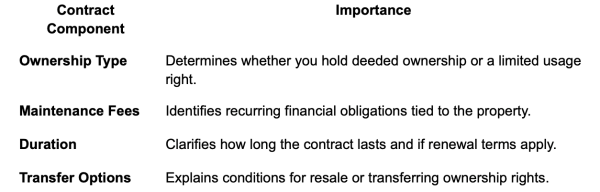
Key Contract Components to Examine
We recommend focusing on these critical areas:
Taking Action for Cancellation
Approach contract review with diligence. Contact resorts or legal experts for clarity if doubts persist. Referencing laws, such as those outlined by the Federal Trade Commission (FTC), provides additional guidance on consumer rights.
Effective timeshare cancellation starts with understanding obligations. By leveraging clear contract knowledge, owners regain financial flexibility and peace of mind.
Legal And Financial Implications
Canceling a timeshare has significant legal and financial considerations. Understanding these implications helps consumers make informed decisions and avoid unnecessary pitfalls.
Potential Penalties For Early Exit
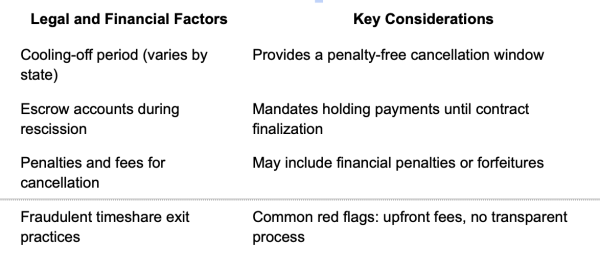
Leaving a timeshare agreement early may result in penalties outlined in the contract. These may include forfeiture of upfront payments, additional cancellation fees, or legal action if the owner violates the terms. Reviewing the contract terms thoroughly can help identify any specific penalties tied to early cancellation.
Avoiding Timeshare Exit Scams
The rising demand for timeshare exits has led to scammers preying on vulnerable owners. Fraudulent exit companies often demand upfront fees without delivering results or pressure owners into illegitimate tactics. Verify exit firms through trusted platforms such as the Better Business Bureau (BBB) and consult legal experts when engaging third-party services.
Financial Responsibilities After Termination
Even after canceling, owners may remain responsible for unpaid maintenance fees or special assessments accrued before termination. Some contracts also have clauses requiring settlement of overdue amounts. To avoid financial surprises, ensure all balances are clear before proceeding with cancellation.
Seeking Professional Assistance
Certified professionals, including attorneys specializing in real estate or contract law, can guide owners through the legal intricacies of timeshare cancellation. Also, the American Resort Development Association (ARDA) offers resources and ethical recommendations for navigating exits. Always verify credentials and client reviews before hiring a service provider.
Protecting Your Credit Score
Canceling improperly or defaulting on payments can harm your credit score. Timeshare companies may report unpaid dues, leading to a negative impact on creditworthiness. To mitigate risks, adhere to the agreed terms and consult financial advisors for better repayment strategies.
For further insights on protecting your financial health during a timeshare exit, explore consumer rights resources available through government-supported platforms like the Consumer Financial Protection Bureau (CFPB).
Timeshares can feel like a convenient getaway at first, but financial constraints or lifestyle changes often lead many to seek cancellation. Navigating this process effectively requires knowledge and strategic steps.
Effective Methods To Cancel Your Timeshare
Several proven methods can guide timeshare owners through the cancellation process. These approaches prioritize understanding your contractual rights and exploring various resolution options.
Cancellation During The Rescission Period
State laws provide a rescission or cooling-off period that allows timeshare cancellation without penalties. This timeframe usually spans 3 to 15 days after signing the contract. For example, Florida provides a 10-day period, while California and Hawaii grant seven days.
To cancel within this period, submit a written notice according to your contract instructions, often through certified mail. No reason for cancellation is required during this window.
Negotiating A Settlement With The Timeshare Company
When the rescission period has passed, negotiate directly with the timeshare company. Many companies have buyback programs or hardship options for owners experiencing financial difficulties.
Contact the customer service team or designated departments to discuss your case. Providing evidence of financial issues or other constraints increases your chances of reaching a settlement or contract modification.
Exploring Third-Party Exit Companies
Third-party exit companies offer services to resolve ongoing timeshare commitments. Reputable organizations evaluate your contract, deal with the resort, and aim for cancellation on your behalf. Always verify their credibility by checking reviews or certifications from legal associations before proceeding.
For example, consult authoritative bodies like the Better Business Bureau (BBB) for detailed reviews of these companies. Be wary of firms charging exorbitant upfront fees without providing clear processes or results.
Rescission and State-Specific Details
Understanding state-specific rescission laws is essential for empowering timeshare owners. The table below highlights cooling-off periods in different states:
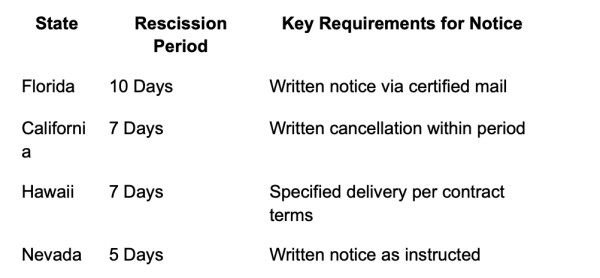
Utilizing this information ensures compliance and improves success rates during cancellation attempts.
Next Steps for Financial Freedom
Timeshare cancellations can relieve financial burdens and provide peace of mind. Research contract terms, exercise rescission rights, and explore professional assistance when necessary. For additional support, visit the Federal Trade Commission (FTC) timeshare consumer resources.
Timeshare ownership can often become a financial commitment that outweighs its benefits. Canceling a timeshare might feel overwhelming, but with the right guidance, it’s achievable. Here’s how professional resources can help you take control of the process.
Seeking Professional Guidance
Expert assistance simplifies the complex nature of timeshare cancellation. Legal experts and consumer advocates offer valuable support to streamline the process.
When To Hire A Timeshare Exit Attorney
Attorneys specializing in timeshare law bring key benefits. Their expertise in contract review helps identify exit opportunities, such as rescission clauses or breaches. They ensure legal requirements are met while negotiating directly with resorts or developers. Engaging with an attorney adds confidence and efficiency to the process.
Consulting Consumer Protection Agencies
Consumer protection agencies help safeguard your interests. These organizations, such as the Federal Trade Commission (FTC), provide educational materials and tools to verify legitimate exit options. Consulting agencies ensures you avoid scams and equips you with resources for legal actions if necessary.
Key Considerations for an Informed Exit
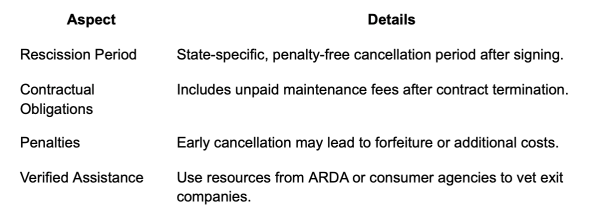
Understanding the financial and legal implications of canceling your timeshare is essential. Here's an overview:
Final Thoughts
Navigating a timeshare cancellation requires diligence and expert support. Whether consulting legal experts or protection agencies, these steps empower informed decisions for financial freedom. Trusted resources like the FTC's consumer advice offer guidance tailored to your situation.
Tips For Avoiding Future Timeshare Commitments
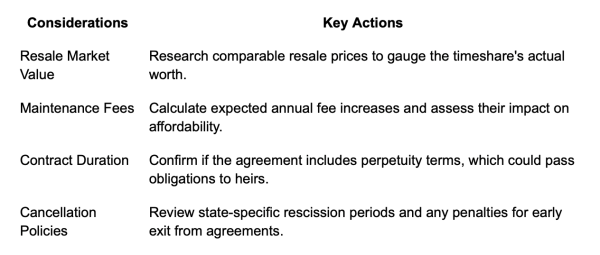
Making informed decisions minimizes the risk of unwanted financial obligations. Understanding key considerations helps avoid future timeshare entanglements.
Recognizing Pressure Sales Tactics
Timeshare presentations often involve high-pressure scenarios. Sales representatives frequently use urgency to push decisions, claiming limited-time offers or exclusive deals. Stay vigilant and avoid signing contracts during emotionally charged moments.
Conducting Careful Research Before Committing
Thorough research ensures potential investments align with personal goals. Verify resort reputations, read contract terms in detail, and check reviews from existing owners. Consulting independent resources like the Better Business Bureau (BBB) helps validate the company's credibility.
Evaluating Financial Impacts
Understanding the long-term costs of timeshares prevents unplanned burdens. Evaluate annual maintenance fees, membership dues, and potential special assessments. Compare these ongoing expenses to alternative vacation options like rentals or discounted travel memberships.
Consulting Legal Expertise
Seeking advice from experienced attorneys prevents missteps. Legal experts review contracts and identify unfavorable clauses. Professionals specializing in timeshare law, such as those listed on consumer advocacy websites, provide guidance to safeguard interests.
Exploring Alternative Vacation Solutions
Avoiding timeshares entirely by exploring flexible travel programs can be cost-effective. Platforms like vacation clubs, rental marketplaces, and travel deal aggregators offer flexibility without binding contracts. These options give more control over travel expenses and destinations.
Understanding these key considerations empowers well-informed choice-making and helps consumers maintain financial clarity. For additional insights, trusted resources like usa.gov offer valuable consumer protection guidelines about timeshare agreements.
Conclusion
Canceling a timeshare can feel overwhelming, but with the right knowledge and resources, taking back control of your financial future is possible. By understanding your contract, exploring your options, and seeking professional guidance, you can confidently navigate the process.

Empowering yourself with the tools to avoid scams and make informed decisions is key. Whether you’re leveraging rescission periods, negotiating directly with your timeshare company, or consulting legal experts, every step brings you closer to financial freedom.
Let’s prioritize smart choices and proactive planning to ensure that future commitments align with our goals and peace of mind.
Comments

Powered by RoundtableAn AI/DeFi-powered Enterprise Media Operating System. Learn more at Roundtable.io.© Roundtable 2026. By using this site you agree to the Terms of Use and Privacy Policy