


Aug 26, 2024 7:00 AM
Updated Aug 29, 2024 4:00 AM
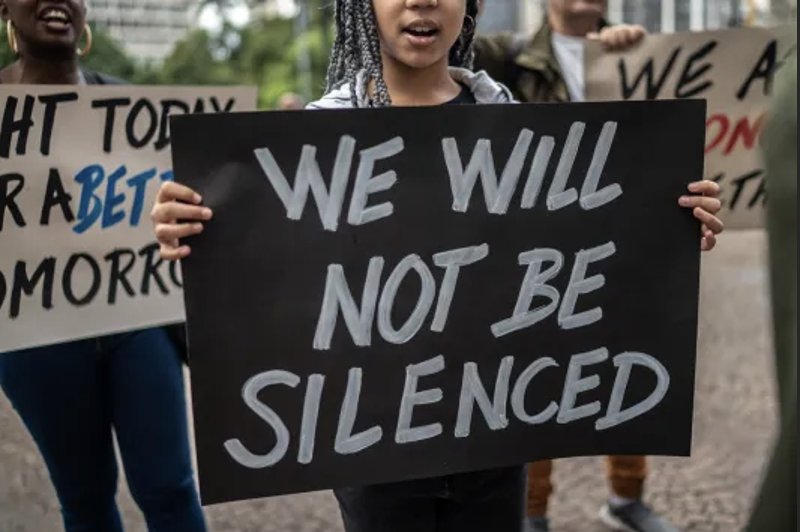
Protesters have to withstand hard outdoor conditions and heckling from individuals who disagree with their opinions or beliefs just to mention a few.
The convictions of society leave the burden of voicing issues that shape public opinions to public officials, non-profit organization leaders, talk show hosts, and lawyers amongst many other individuals who've got the right platforms to reach policymakers. These groups hold significant power over public policies in areas they influence.
Unfortunately, not all members of these groups are honest. Some may want to shape public opinion to suit their interests and not those of the people they represent. It's not an unusual thing to see some making arguments not in good faith, but just to bend the policies to represent their objectives. While others will effectively table issues for the better of the communities they represent, others don't.
And at the end of the day, whether it's self-serving bureaucrats or honest leaders, both parties get paid for their services. It means they are compensated for advocating for what they feel strongly it's right. Therefore, supporting a cause for these groups comes with its reward—they earn millions in salary. It's, therefore, correct to say this is some type of paid protesting.
Protesting for Money: Is it Wrong?
Protesting is no easy job regardless of the cause at hand. Protesters have to withstand hard outdoor conditions and heckling from individuals who disagree with their opinions or beliefs just to mention a few. And if they want to be successful, they have to put up with one compulsory condition—showing up, a luxury not everybody can afford, especially if they are hourly wage workers without flexibility to take time off.
Related stories
According to Adam Swart, the CEO of Crowds on Demand, compensating protests could alter the course of protesting as those involved will become more active without having to worry about the challenges of expressing one’s sincere point of view.
Those earning hourly wages can afford to take time off work changing them from passive participants to active participants. However, financiers of such protests should be very careful to isolate genuine individuals from fraudsters.
Challenges Facing Paid Protesters and how to Mitigate them
Everybody has a right to have an opinion. Some people are widely opposed to paid protestors and consider the whole group's position as illegitimate in the sense that they are putting themselves out there to earn an extra buck. This is not entirely wrong. They are some of the protestors who join such groups with that intention.
Dishonest bureaucrats and other leaders introduce paid protestors in protest groups to find a point of contention when delegitimizing opposing views. Incentivized opponents' actions are considered deceptive by such individuals and serve to shift the policymakers' perception from the point of focus.
Well, different individuals are driven by different motivations when joining a protest. For some, it's just to take a cool Instagram photo while others are to gain favor with a particular political group or union. But one of the greatest motivations is financial compensation.
While joining a protest for monetary gain is not wrong, your goals mustn't malign with the objectives or the legitimate views of the attendees. Always remember getting in the way of a legitimate protest violates the foundation on which the US Constitution is based and democracy.
Most legitimate protestors will never join a protest that goes against their core beliefs regardless of how much they are getting paid. For instance, do you think a staunch activist of ‘Black Lives Matter' would ever join the ‘Back the Blue' campaign or vice versa for monetary gains? The answer is a strong NO. So, it's unreasonable to suggest that someone would abandon their tenets and strong convictions just to get a paid protesting job.
Final Takeaways

People like politicians have default compensation plans in place since large crowds trust them to reflect their beliefs to the general public. They act as the carriers of delivering the public's opinion and hence are entitled to financial compensation. On the other hand, protestors also serve the same purpose of advocating for what is right and delivering public opinions to the general public.
As stated by Adam Swart, there is nothing wrong with subjecting the aforementioned group to the same standard of financially compensating them.
Comments

Powered by RoundtableAn AI/DeFi-powered Enterprise Media Operating System. Learn more at Roundtable.io.© Roundtable 2026. By using this site you agree to the Terms of Use and Privacy Policy