
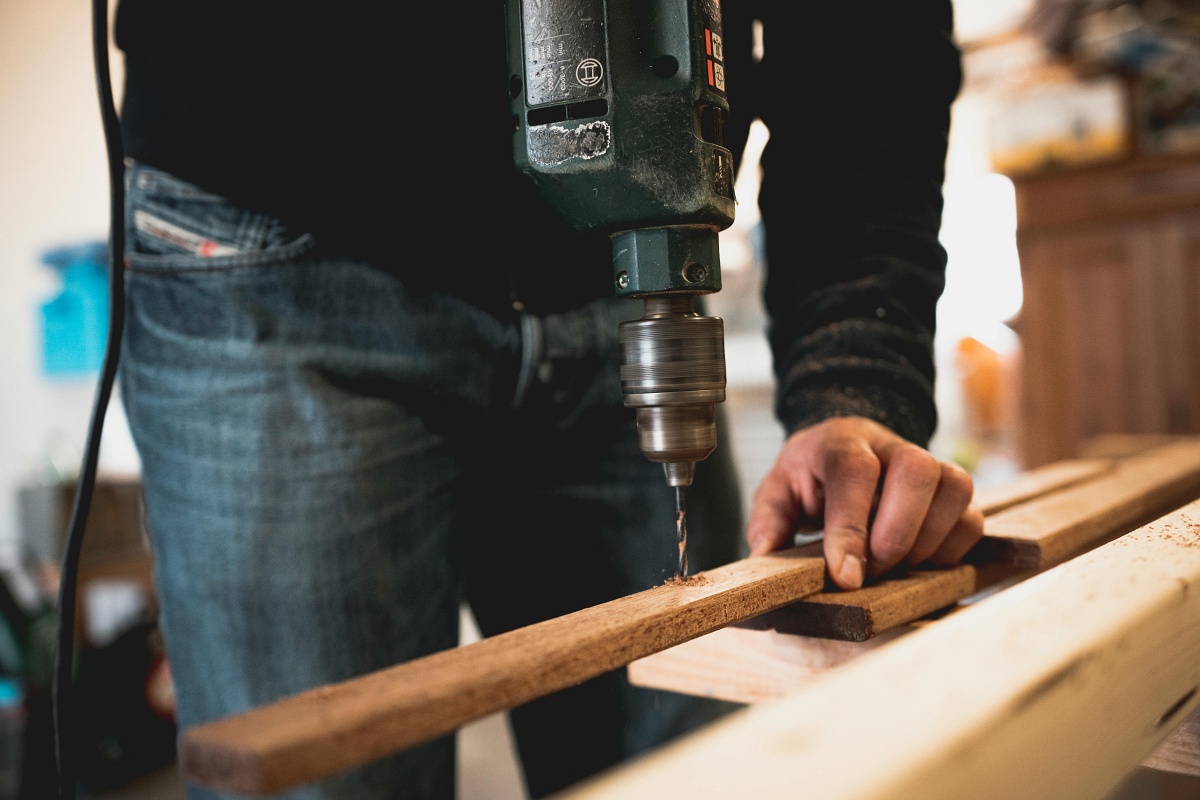
Photo by Thijs van der Weide


Building Your Dream Home
Mar 25, 2024 7:00 AM
Updated Aug 17, 2025 8:29 PM
It's important to match your choices with your priorities and the qualities that are most important to you in a home before checking out materials from Dahlsens.
Constructing your ideal home is a huge undertaking that needs meticulous planning, a distinct vision, and the appropriate building supplies. Your home's visual appeal, durability, energy efficiency, and sustainability will all be greatly affected by the materials you choose.
The final design of your dream home largely depends on making the right material choices. This article will help you gauge which building materials to prioritize when building your dream home.
Understanding Your Priorities
It's important to match your choices with your priorities and the qualities that are most important to you in a home before checking out materials from Dahlsens. Determining and ranking attributes like durability, energy efficiency, and sustainability can have a big impact on the materials you choose.
Here are some of the materials that you should invest in:
Related stories
1. Foundation Materials
Your home's structural integrity depends on a solid foundation. To guarantee stability and lifespan, spend money on premium concrete that is reinforced with steel reinforcing bars. Here are other foundation materials you should invest in:
2. Roofing
Your home's roof is its first line of protection against the weather. Invest in long-lasting roofing materials that provide long-term defense against weathering, UV damage, and potential leaks, including metal, clay tiles, or composite shingles. If you want to save money on cooling expenses and increase energy efficiency, go for alternatives with high solar reflectance.
Sustainable roofing solutions, including recycled shingles, metal roofing, and green roofs are also important. In addition to offering superior insulation, vegetated green roofs also aid in stormwater management and the reduction of urban heat islands. Metal roofing is a long-lasting, environmentally responsible option that is strong, reflective, and recyclable.
3. External Cladding
The exterior cladding of your home offers insulation and weather protection in addition to improving its aesthetic appeal. Invest in cladding materials that are low-maintenance and long-lasting, such as fiber cement, stone, brick, or engineered wood siding. These materials provide outstanding long-term performance, resilience to moisture, and durability.
4. Windows and Doors
Increasing security, lowering energy use, and boosting indoor comfort all depend heavily on energy-efficient windows and doors. Invest in insulated frames, low-E coatings, and double or triple-pane windows to reduce outside noise, heat loss, and UV rays. For even more peace of mind, use premium external doors with strong security features and tight seals. For optimal performance and energy efficiency, consider home window replacement Fayetteville services.
5. Insulation
Keeping interior temperatures constant, cutting energy expenses, and improving general comfort all depend on proper insulation. Choose high-performance insulation materials to get maximum thermal efficiency throughout your house, such as rigid foam boards, spray foam or blown-in cellulose.
6. HVAC Systems
Throughout the year, preserving indoor comfort and air quality requires a well-designed heating, ventilation, and air conditioning (HVAC) system. To cut down on energy use and utility costs, invest in energy-efficient HVAC equipment like heat pumps, programmable thermostats, and high-efficiency furnaces.
If you want to maximize comfort and efficiency in different sections of your home, think about solutions like zoned heating and cooling.
7. Flooring
Select flooring materials that are durable, low-maintenance, and resistant to spills, heavy foot traffic, and general wear and tear. Select flooring materials that are durable, low‑maintenance, and resistant to spills, heavy foot traffic, and general wear and tear. For expert sourcing and installation of premium flooring across a wide range of styles, homeowners can turn to Wills Flooring. For long-lasting use, consider investing in materials like hardwood, engineered wood, porcelain tile, or natural stone. For sustainable and fashionable solutions, think about eco-friendly flooring materials like bamboo, cork, or recycled materials.
8. Plumbing Fixtures
Make an investment in long-lasting, corrosion-resistant, and water-efficient plumbing fixtures and appliances. Select low-flow showerheads, faucets, and toilets to save water and money on utilities. For increased convenience and functionality, take into account alternatives with cutting-edge features like temperature control, touchless operation, and water filtration.
9. Electrical Wiring and Lighting
Make sure that the lighting and electrical systems in your house are installed according to the most recent energy efficiency and safety regulations. Invest in high-grade outlets, switches, circuit breakers, and wiring to guarantee dependable operation and reduce the possibility of electrical accidents.
To save energy and improve the lighting in your entire house, choose LED lighting fixtures and bulbs that are energy-efficient.
10. Interior Finishes
Choose materials and finishes that complement your style, increase comfort, and create a healthy indoor atmosphere. Invest in long-lasting, useful, and aesthetically pleasing paint, flooring, cabinets, countertops, and fixtures of the highest caliber. To improve indoor air quality and sustainability, take into account non-toxic and environmentally friendly choices.
Factors to Consider When Buying Building Materials
It is good to factor in the following considerations before purchasing building materials:
Value versus Cost
Durable and sustainable materials may cost more upfront, but over time, they can save a lot of money due to their increased longevity, reduced maintenance costs, and capacity to save energy. Making an informed investment requires considering the life cycle cost of materials.
Climate and Local Availability Factors
Using locally produced products can boost the regional economy and cut down on shipping expenses. Furthermore, some materials work better in particular climates. For example, due to their flexibility, bamboo and wood may be favored in earthquake-prone locations, whereas steel and concrete may be more suited for hurricane-prone places.
Energy Efficiency
Prioritize components like insulation, windows, and roofing that improve your home's overall energy efficiency. Make choices that will help control indoor temperature, save energy usage, and save heating and cooling expenses.
Aesthetic Appeal
To improve your home's indoor and exterior visual appeal, choose materials that complement your architectural style and design preferences. Think about things like color, texture, and how well an element works with other components of the design.
Compatibility and Integration
Make sure the materials you've selected complement one another and flow naturally into your overall building ideas. Take into account elements like ease of installation, compatibility with current infrastructure, and possibilities for extensions or modifications in the future.
Environmental Impact
Consider the materials' effects on the environment at every stage of their life cycle, from extraction and production to use and disposal. Take into account the effects of each substance on the environment, including waste production, water use, and carbon emissions.
Health and Safety
Give preference to materials that are low-emission, non-toxic, and provide the fewest health risks to the occupants. When choosing materials for your home, take into account aspects like fire safety, allergy resistance, and indoor air quality.
Maintenance Requirements
Evaluate the materials' continuing maintenance requirements, such as cleaning, replacement, and repairs. Select materials that will demand less time and effort to maintain to minimize the amount of resources needed to keep your property in top shape.
Choose Sustainable, Durable Materials!
By giving sustainable, long-lasting, and energy-efficient materials top priority, you're not only investing in a house that will last but also making a positive impact on a more sustainable globe.

The choice of building materials has a significant impact on the quality, functionality, and aesthetics of your home, as we've shown through a variety of professional views. Carefully consider the future of your house and the environment when you make these decisions.
Comments

Powered by RoundtableAn AI/DeFi-powered Enterprise Media Operating System. Learn more at Roundtable.io.© Roundtable 2026. By using this site you agree to the Terms of Use and Privacy Policy