
Unsplash


Building Confidence
Sep 14, 2024 7:00 AM
Updated Sep 16, 2024 9:16 PM
One of the most important aspects of building confidence in young athletes is fostering a growth mindset.
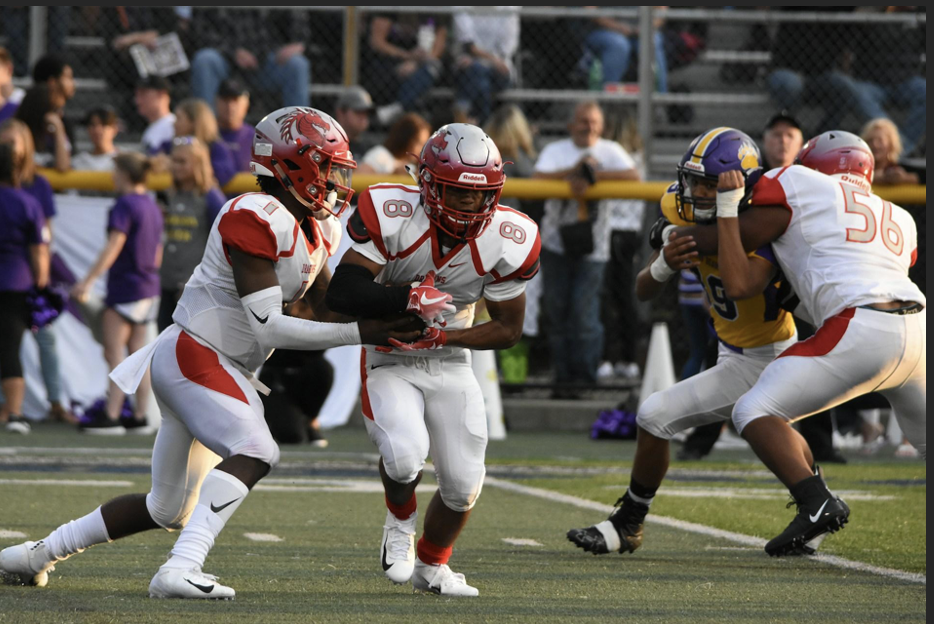
Building confidence in young athletes is a critical component of their overall development, both on and off the field. Confidence can be the defining factor between an athlete reaching their full potential or falling short due to self-doubt and anxiety.
As young athletes progress in their careers, they'll face increasing pressure and scrutiny, especially if they make it past high school and begin contending with challenges like the FanDuel college football odds, where the public judges you on performance and execution.
Here are some effective strategies that coaches and parents can implement to nurture and elevate the confidence levels of young athletes.
Emphasize a Growth Mindset
One of the most important aspects of building confidence in young athletes is fostering a growth mindset. Athletes should be encouraged to view challenges and setbacks as opportunities to learn and grow rather than as failures. This shift in perspective can make a significant difference in their resilience and determination.
Related stories
Strategies to Foster a Growth Mindset:
● Post-Training Reflections: After each training session, ask your athletes what they learned or what they felt went well. This acknowledgment encourages self-awareness and a focus on improvement.
● Process-Oriented Goals: Set small, achievable goals before games that are process-oriented rather than outcome-oriented. Celebrate these small wins to build a sense of accomplishment.
● Problem-Solving: When athletes face frustration, whether with teammates or a coach, guide them through problem-solving rather than providing immediate answers. This encourages independence and critical thinking.
Adopting a growth mindset not only enhances the athlete's confidence but also prepares them for life's various challenges beyond sports.
Positive Reinforcement
Positive reinforcement plays a crucial role in building an athlete's confidence. Young athletes thrive on recognition and validation. When their efforts and achievements are acknowledged positively, it boosts their self-esteem and motivation.
Examples of Positive Reinforcement:
● Verbal Praise: Simple words of encouragement like "Great job!" or "I'm proud of you!" can have a profound impact.
● Highlighting Strengths: Focus on what the athlete can control, such as their effort and attitude, instead of critiquing their mistakes. This fosters a positive environment.
● Public Recognition: When appropriate, celebrate their achievements publicly, whether in front of the team or through social media. This reinforcement can make them feel valued and appreciated.
Consistent positive reinforcement helps in creating an environment that supports growth and confidence-building.
Teaching Leadership and Responsibility
Leadership and responsibility go hand in hand with confidence. When athletes take on leadership roles and responsibilities, it gives them a sense of accomplishment and self-worth.
Ways to Teach Leadership and Responsibility:
● Encourage Helping: Encourage athletes to help others, whether it’s assisting with equipment or offering encouragement.
● Ownership of Equipment: Teach them to take care of their own equipment and uniforms, fostering a sense of responsibility.
● Understanding the Schedule: Ensure that athletes know and understand their sports schedule and the importance of punctuality and preparation.
These actions instill a sense of discipline and leadership, which are essential qualities for building confidence.
The Importance of Fun
Sports should be fun. Emphasizing enjoyment in sports can lead to higher confidence, better performance, and a longer athletic career. When the focus is solely on outcomes, it can lead to pressure, anxiety, and burnout.
Ways to Prioritize Fun:
● Celebrate Achievements: Celebrate small achievements and milestones, no matter how minor they may seem.
● Enjoyment Over Outcomes: Shift the focus from outcomes to the enjoyment of playing and improving.
● Active Participation: Demonstrate your involvement and enjoyment in their sporting activities. Attend games, cheer them on, and show genuine interest.
A fun environment motivates athletes to continue participating and improves their overall performance and confidence.
Acknowledging Challenges and Providing Support
Building confidence in youth athletes also involves recognizing and addressing the challenges they may face. Being a supportive and understanding figure can make a significant difference.
Supportive Practices:
● Open Communication: Keep open lines of communication with your athlete. Allow them to express their concerns and feelings without judgment.
● Offer Guidance: Provide guidance and support when they make mistakes, instead of criticism. Help them learn from their experiences constructively.
● Be Patient: Understand that building confidence is a gradual process. Be patient and give them the time they need to develop their skills and self-belief.
Remember, both coaches and parents play a vital role in this journey. By working together and consistently applying these strategies, you can create a nurturing environment promoting confidence, resilience, and overall well-being in young athletes.
Conclusion
Building confidence in young athletes requires a multifaceted approach, including fostering a growth mindset, providing positive reinforcement, teaching leadership, emphasizing fun, and offering continuous support. Coaches and parents play a crucial role in shaping their confidence and helping them reach their potential. Implementing these strategies ensures that young athletes develop in their sport and life, equipped to face any challenge.

Remember, building confidence is an ongoing journey. Every effort counts, and your support will resonate long after their playing days. Promote a balanced approach that prioritizes mental and emotional growth alongside physical skills, and watch your young athlete thrive.
Comments

Powered by RoundtableAn AI/DeFi-powered Enterprise Media Operating System. Learn more at Roundtable.io.© Roundtable 2026. By using this site you agree to the Terms of Use and Privacy Policy