
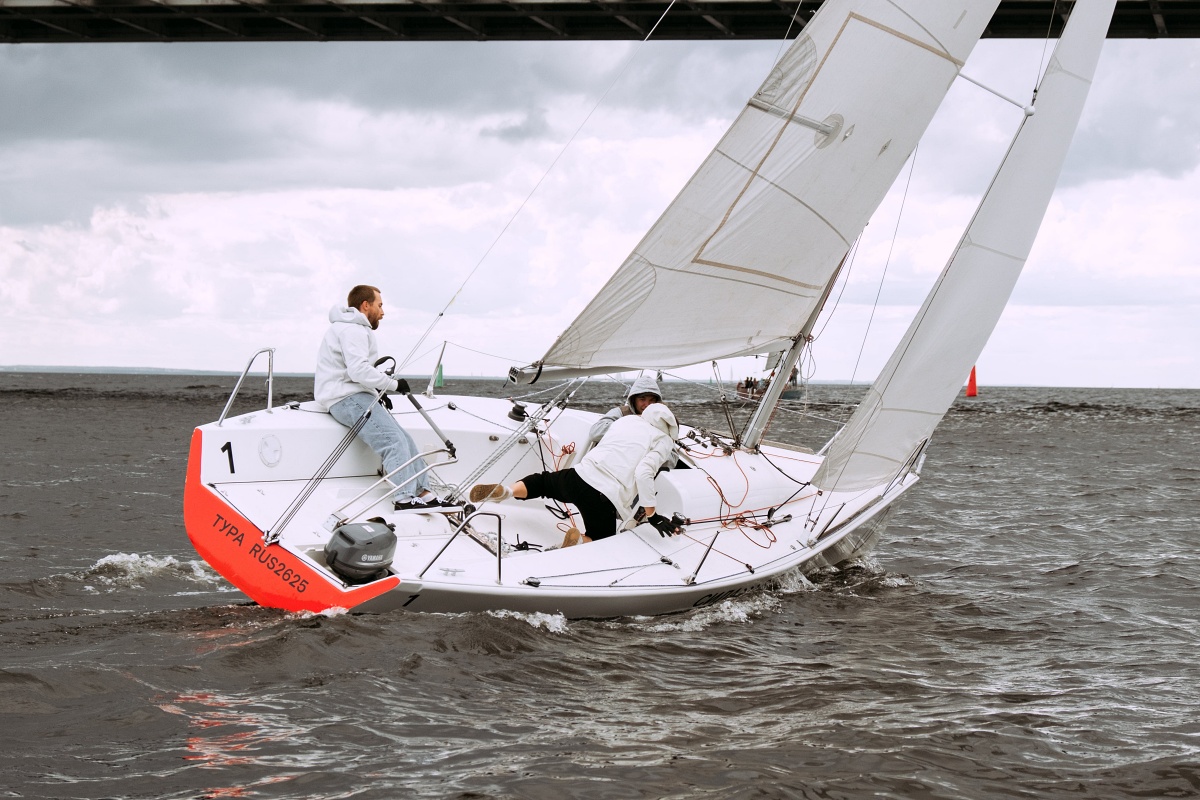
Photo by cottonbro studio


Boating Under the Influence
Jan 10, 2024 8:00 AM
Updated Apr 2, 2024 8:16 PM
Each year, avoidable accidents and legal repercussions affect countless lives, emphasizing the need for awareness and responsibility.
Hook and Overview
Imagine a serene day on the water turning into a nightmare. This is a reality for many who underestimate the risks of boating under the influence (BUI). As a boating accident attorney, I've witnessed the devastating aftermath of such decisions. BUI, much like driving under the influence, poses severe risks not only to the operator but also to passengers and others sharing the waterways. The importance of understanding these risks cannot be overstated. Each year, avoidable accidents and legal repercussions affect countless lives, emphasizing the need for awareness and responsibility. In this article, we will delve into the legal consequences and safety risks associated with BUI, aiming to provide valuable insights and promote safer boating practices.
Understanding BUI: Definition and Legal Thresholds
Boating Under the Influence (BUI) refers to operating a watercraft while impaired by alcohol or drugs. Legally, it's akin to driving under the influence but on water. The typical threshold for BUI is a blood alcohol content (BAC) of 0.08%, mirroring the standard for road vehicles in many jurisdictions. However, it's crucial to note that BUI laws can vary significantly across states and regions. Some areas enforce stricter limits, with lower BAC thresholds, or impose harsher penalties. Additionally, operators under the legal drinking age may face BUI charges at even lower BAC levels, reflecting a zero-tolerance approach in many regions.
Comparing BUI to DUI: Similarities and Differences
Both Boating Under the Influence (BUI) and Driving Under the Influence (DUI) involve operating a vehicle while impaired, carrying similar legal consequences such as fines, license suspension, and possible jail time. However, BUI can be more perilous due to unique boating factors. Waterways lack clear lanes and traffic signs, making navigation while impaired more dangerous. Additionally, environmental elements like sun, wind, and water motion can intensify alcohol's effects, increasing the risk of accidents. While DUI is more commonly recognized, BUI poses equal, if not greater, hazards due to these distinct challenges and less stringent enforcement on waterways.
Legal Consequences of BUI
Being convicted of Boating Under the Influence (BUI) can lead to severe legal repercussions. Fines for BUI offenses can range widely, sometimes reaching thousands of dollars, depending on the severity and the jurisdiction. Jail time is also a possibility, with sentences varying from a few days to several years for repeat offenders or accidents causing serious injury or death. Additionally, individuals caught BUI may face boating license suspension or revocation, significantly impacting their future boating activities. In many cases, a BUI conviction goes on one's criminal record, potentially affecting employment opportunities, especially in roles requiring a clean record. Some regions also mandate completion of boating safety courses or substance abuse counseling for offenders, adding to the long-term consequences of a BUI charge.
Related stories
Safety Risks Associated with BUI
Boating Under the Influence significantly increases the risk of accidents on the water. Impaired boaters have reduced reaction times, impaired judgment, and decreased motor coordination, substantially heightening the chances of collisions, capsizing, or man-overboard incidents. According to the U.S. Coast Guard, alcohol is a leading contributing factor in fatal boating accidents, accounting for a considerable percentage of boating fatalities annually. Not only does BUI endanger the operator, but it also poses significant risks to passengers, other boaters, and swimmers. These accidents often result in severe injuries or fatalities, proving that the consequences of BUI extend far beyond legal repercussions, impacting lives and families profoundly. People on boats must be extremely cautious and get CPR training edmonton in case an emergency happens on board.
Impact of BUI on Insurance and Liability
A Boating Under the Influence (BUI) conviction can have significant repercussions on insurance and liability. Insurance companies often view a BUI as a serious risk indicator, leading to increased premiums or even denial of coverage. In some cases, insurers may outright cancel existing policies following a BUI conviction. Moreover, if an accident occurs while the operator is under the influence, insurance may not cover the damages, leaving the operator financially liable for property damage, medical bills, and legal settlements. This financial burden can be substantial, especially if the accident results in serious injuries or fatalities. Thus, a BUI not only affects legal standing but also creates substantial financial risks and liabilities.
Preventative Measures and Safe Boating Practices
To prevent Boating Under the Influence (BUI), adopting safe boating practices is crucial. A key strategy is appointing a designated sober operator before embarking, ensuring someone is always capable of safely navigating the vessel. Limiting or avoiding alcohol consumption while boating is essential, as alcohol's effects are magnified on the water due to factors like sun exposure and motion. Additionally, familiarize yourself with the local boating laws and alcohol regulations. Educating passengers about the risks of alcohol consumption on watercraft can also help foster a safer boating environment. Regular participation in boating safety courses can reinforce these practices, promoting responsible and safe boating habits among all water enthusiasts.
Legal Assistance: Seeking Help After a BUI Incident
If you find yourself involved in a BUI incident, it's imperative to seek legal assistance immediately. A specialized attorney, knowledgeable in maritime and BUI laws, can offer crucial guidance through the complex legal landscape. They can help mitigate the potential consequences, provide defense strategies, and navigate the intricacies of maritime law. Early legal intervention is key to effectively managing the repercussions of a BUI incident.
Final Thoughts and Call to Action

Understanding and avoiding Boating Under the Influence is essential for everyone's safety on the water. Remember, responsible boating not only protects you but also those around you. Stay informed about the risks and legalities of BUI. Make a commitment to boat responsibly, ensuring enjoyable and safe experiences for all water enthusiasts.
Comments

Powered by RoundtableAn AI/DeFi-powered Enterprise Media Operating System. Learn more at Roundtable.io.© Roundtable 2026. By using this site you agree to the Terms of Use and Privacy Policy