
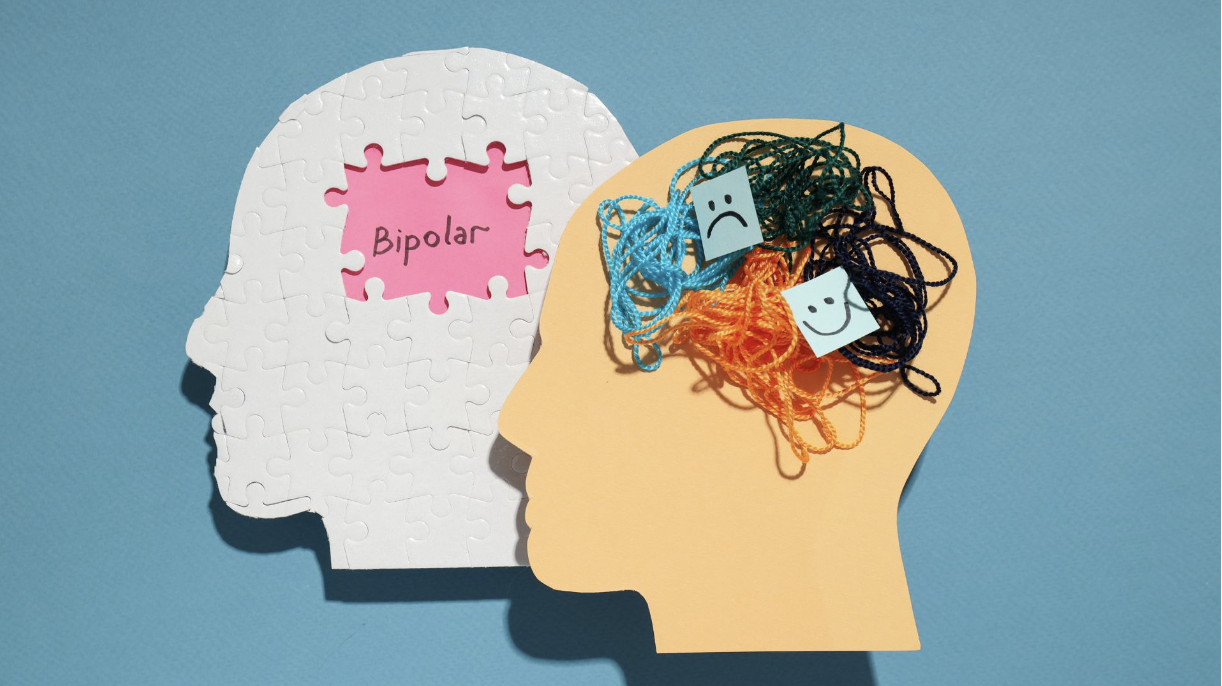


Hormones on Bipolar Disorder
Oct 7, 2024 7:00 AM
Updated Oct 9, 2024 9:37 PM
Research indicates that hormonal fluctuations, particularly those related to the menstrual cycle, pregnancy, and menopause, can significantly impact the severity and frequency of bipolar episodes.
We are examining how a woman's menstrual cycle, pregnancy, postpartum period, and menopause can significantly impact bipolar disorder. Understanding these connections can lead to customized treatment strategies that address both the psychiatric aspects and hormonal balance, providing a holistic approach to managing bipolar disorder. We also discuss the importance of lifestyle and dietary adjustments in supporting hormonal health, offering a comprehensive guide for women dealing with bipolar disorder affected by hormonal changes.
Understanding the Link Between Female Hormonal Fluctuations and Bipolar Disorder
Experts at BestMind Behavioral Health Center emphasize that the intricate relationship between hormonal changes and bipolar disorder in women has garnered significant attention in the medical community. Research indicates that hormonal fluctuations, particularly those related to the menstrual cycle, pregnancy, and menopause, can significantly impact the severity and frequency of bipolar episodes. For instance, the premenstrual phase, characterized by a drop in estrogen and progesterone levels, may exacerbate bipolar symptoms. Similarly, the postpartum period poses a high-risk time for acute mood episodes in women with bipolar disorder, attributed to the dramatic hormonal shifts experienced after childbirth.
The Role of Estrogen in Bipolar Disorder Symptom Management
Understanding the impact of estrogen on bipolar disorder in women is crucial for developing effective treatment strategies. Estrogen, an essential hormone in female reproductive health, has been shown to play a significant role in the brain's function, affecting mood, behavior, and cognitive abilities. Research indicates that fluctuations in estrogen levels can significantly influence the severity and frequency of bipolar disorder symptoms. For instance, periods of low estrogen levels, such as those experienced during the menstrual cycle or menopause, can exacerbate symptoms. Conversely, phases of higher estrogen levels might offer some symptomatic relief. This hormonal ebb and flow necessitates a nuanced approach to managing bipolar disorder in women, emphasizing the need for:
- Personalized treatment plans that consider hormonal fluctuations throughout the menstrual cycle.
- Integrated care approaches that include both psychiatric and gynecological considerations.
- Monitoring and adjusting psychiatric medication dosages in response to changes in estrogen levels.
Related stories
Moreover, the protective effects of estrogen against some symptoms of bipolar disorder highlight potential therapeutic avenues. For example, estrogen has been found to have mood-stabilizing properties, which could be harnessed in treatment protocols. However, the complexity of estrogen's effects on the brain and its interaction with bipolar disorder symptoms necessitates careful consideration. This includes understanding the risks associated with hormone therapy, such as the potential for triggering manic episodes in susceptible individuals. Therefore, collaboration between mental health professionals and endocrinologists is essential to optimize treatment outcomes for women with bipolar disorder, ensuring that both hormonal and psychiatric aspects of the condition are addressed.
Progesterone's Impact on Mood Stabilization in Bipolar Women
Exploring the role of progesterone in mood regulation reveals its critical function in the management of bipolar disorder among women. This hormone, which naturally fluctuates throughout the menstrual cycle, has been observed to influence mood states significantly. During the luteal phase, when progesterone levels peak, some women with bipolar disorder experience a notable stabilization in their mood. This observation suggests that progesterone could play a beneficial role in mitigating the severity of mood swings associated with this condition. However, the exact mechanisms through which progesterone affects mood stabilization are complex and involve multiple pathways, including its interaction with neurotransmitters in the brain.
Research highlights several key points regarding progesterone's impact on bipolar disorder in women:
- Enhanced GABAergic activity: Progesterone metabolites, such as allopregnanolone, are known to enhance GABAergic activity, which can exert a calming effect on the brain. This action may contribute to mood stabilization in bipolar women.
- Modulation of serotonin levels: Progesterone also modulates serotonin levels, a neurotransmitter closely linked with mood regulation. Fluctuations in serotonin levels can significantly affect the mood states of individuals with bipolar disorder.
- Impact on neuroplasticity: Evidence suggests that progesterone can influence neuroplasticity, the brain's ability to form and reorganize synaptic connections. This could potentially aid in the recovery of mood regulation capabilities in bipolar women.
Considering these points, it becomes evident that progesterone's role in mood stabilization for women with bipolar disorder is multifaceted and significant. While the hormone's fluctuating levels can present challenges, understanding its effects opens new avenues for therapeutic strategies. Tailoring treatments to account for hormonal changes throughout the menstrual cycle could enhance the effectiveness of mood stabilizers and offer better management of bipolar disorder in women. This approach underscores the importance of personalized medicine in psychiatric care, particularly for conditions as complex and variable as bipolar disorder.
Navigating the Challenges of Menstrual Cycle Phases and Bipolar Disorder
Women with bipolar disorder often face heightened challenges as they navigate through the various phases of their menstrual cycle. Research indicates a significant link between hormonal fluctuations and the worsening of bipolar symptoms. A notable case study involves a cohort of women diagnosed with bipolar disorder, monitored over several menstrual cycles. The findings revealed a pattern of increased mood instability during the premenstrual phase, suggesting a direct correlation between hormonal changes and the severity of bipolar symptoms. This underscores the importance of tailoring treatment plans to address these cyclic fluctuations. Moreover, the study highlights the necessity for healthcare providers to adopt a holistic approach to managing bipolar disorder in women, taking into account the intricate interplay between hormonal changes and psychiatric symptoms. Such insights are crucial for developing more effective, personalized treatment strategies that can significantly improve the quality of life for women battling this condition.
Pregnancy and Postpartum Periods: Hormonal Changes Affecting Bipolar Disorder
Significant hormonal fluctuations during pregnancy and the postpartum period can profoundly impact women with bipolar disorder. These times of intense change can trigger mood episodes, both manic and depressive, in women who may have previously had their symptoms under control. It is crucial to monitor and manage these conditions closely, as they affect the mother and have potential implications for the child's well-being. Key points to consider include:
- Increased risk of relapse for women with bipolar disorder during pregnancy and the postpartum period, especially if medication is discontinued.
- Monitoring and adjusting treatment plans is essential to navigate the balance between managing bipolar symptoms and ensuring the safety of both mother and child.
- A supportive care team that includes mental health professionals, obstetricians, and pediatricians is essential to providing a comprehensive approach to care.
Effective management strategies during these critical periods can significantly improve outcomes for both mother and child. Tailoring treatment to the individual's needs, considering both the risks of untreated bipolar disorder and the potential effects of medications on the fetus or newborn, is paramount. Non-pharmacological interventions, such as psychotherapy, support groups, and lifestyle modifications, also play a crucial role in providing holistic care. Awareness and education about the impact of hormonal changes on bipolar disorder can empower women to seek timely and appropriate treatment, ultimately leading to better health outcomes for families.
Menopause and Bipolar Disorder: Preparing for Hormonal Shifts
Menopause marks a significant transition in a woman's life, often characterized by profound hormonal changes that can have a notable impact on those living with bipolar disorder. Experts advise that the fluctuation of estrogen and progesterone levels during this period may exacerbate the symptoms of bipolar disorder, making management and treatment more challenging. It is crucial for women approaching menopause to work closely with their healthcare providers to monitor their mental health and adjust treatment plans as necessary. Proactive measures, including lifestyle adjustments and possibly hormone replacement therapy (HRT), can be beneficial in mitigating these effects.
Preparation and education are critical components in navigating the intersection between menopause and bipolar disorder. Healthcare professionals emphasize the importance of being well-informed about the potential changes and developing a comprehensive management plan. This may include regular psychiatric evaluations, medication adjustments, and incorporating stress-reduction techniques such as mindfulness and exercise. By understanding the potential impacts of hormonal shifts on their condition, women can take proactive steps to maintain stability and improve their quality of life during this transitional phase.
Treatment Strategies: Balancing Hormones to Manage Bipolar Symptoms in Women
Effective management of bipolar disorder in women often necessitates a nuanced approach that considers the complex interplay between hormonal fluctuations and mood stability. Integrating hormone therapy with traditional psychiatric treatments can offer a more comprehensive strategy for mitigating the symptoms of bipolar disorder. This approach is particularly beneficial during periods of significant hormonal changes, such as puberty, postpartum, and perimenopause, which can exacerbate bipolar symptoms. Regular monitoring and adjustment of treatment protocols are crucial to address the dynamic nature of the hormonal impact on mood regulation. Conclusions drawn from recent studies underscore the importance of a personalized treatment plan that includes both psychiatric and endocrinological components to effectively manage bipolar disorder in women, enhancing their quality of life and stabilizing their mood over the long term.
Lifestyle and Dietary Adjustments to Support Hormonal Health in Bipolar Disorder
Maintaining a balanced lifestyle and diet plays a crucial role in managing bipolar disorder, especially in women, where hormonal fluctuations can significantly impact mood stability. Regular physical activity is known to improve mood, enhance sleep quality, and reduce stress levels, all of which are vital for individuals with bipolar disorder. Incorporating a routine that includes walking, yoga, or swimming can make a notable difference. Additionally, stress-reduction techniques such as mindfulness, meditation, and deep-breathing exercises can help regulate hormonal imbalances, thereby mitigating mood swings associated with bipolar disorder.
Regarding dietary adjustments, the emphasis should be on a balanced nutrient intake that supports hormonal health. Omega-3 fatty acids, found in fish like salmon and sardines, have been shown to have mood-stabilizing effects. A comparison of diets shows that a diet rich in omega-3 fatty acids, whole grains, lean protein, and plenty of fruits and vegetables benefits those with bipolar disorder.

Supplementation can also support hormonal health in women with bipolar disorder. Vitamins such as B12, D, and magnesium have been linked to improved mood and hormonal regulation. However, it's essential to consult with a healthcare provider before starting any supplement regimen. A comparison table of nutrient deficiencies common in bipolar disorder versus recommended daily intake can offer valuable insights.
Comments

Powered by RoundtableAn AI/DeFi-powered Enterprise Media Operating System. Learn more at Roundtable.io.© Roundtable 2026. By using this site you agree to the Terms of Use and Privacy Policy