
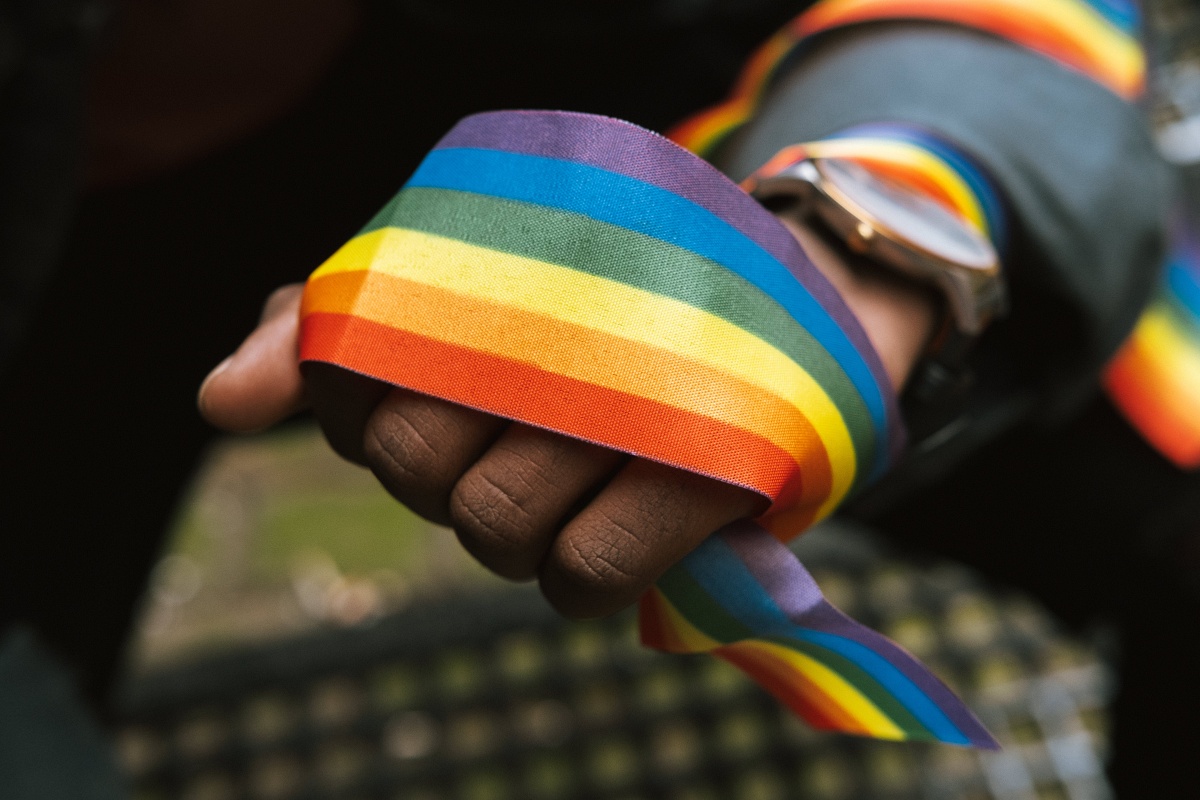
Photo by Anete Lusina


Beyond Visibility
Feb 11, 2024 8:00 AM
Updated Feb 14, 2024 12:47 AM
The visibility of LGBTQ+ athletes has significantly increased over the last ten years in various sports.
The experiences of LGBTQ+ athletes bring forth a narrative that extends far beyond mere visibility. These athletes navigate complex terrain, marked not just by their achievements on the field, track, or court but also by the unique challenges and societal hurdles they face. Their participation in sports is a testament to resilience, courage, and the unwavering pursuit of excellence against a backdrop of prejudice and misunderstanding.
Through their stories, we gain insight into the broader struggle for acceptance and equality within the sports community and society. Their journey is not just about making their mark in the competitive arena; it's about reshaping perceptions, breaking barriers, and fostering a more inclusive and supportive environment for all athletes, irrespective of gender or sexual orientation.
The Visibility Paradigm
The Visibility Paradigm states that promoting inclusivity and acceptance begins with visibility. The visibility of LGBTQ+ athletes has significantly increased over the last ten years in various sports.
Prominent individuals such as Michael Sam in football, Adam Rippon in figure skating, and Megan Rapinoe in soccer have made it possible for others to embrace their true selves both on and off the pitch.
Related stories
But the focus on visibility has also highlighted the particular difficulties LGBTQ+ athletes face. The path to true inclusivity goes beyond simply being visible to creating a welcoming atmosphere, involving everything from negotiating locker room dynamics to controlling public expectations.
Microaggressions and Stereotypes
Despite advancements, LGBTQ+ athletes frequently face stereotypes and microaggressions that can negatively impact their participation in sports. People may experience exclusion or judgment because of language, body language, and presumptions related to their gender identity or sexual orientation.
According to a study by the LGBTQ+ advocacy group GLAAD, 84% of LGBTQ+ youth have heard remarks that are homophobic or transphobic from teammates, coaches, or spectators. Systemic solutions are necessary to address these problems because microaggressions harm athletes' mental health and reinforce stereotypes.
Mental Health Challenges
The intersection of LGBTQ+ identity and the competitive world of sports often leads to unique mental health challenges. The fear of discrimination, rejection, or backlash can contribute to heightened stress and anxiety for LGBTQ+ athletes.
According to a survey conducted by The Trevor Project, nearly 45% of LGBTQ+ youth athletes reported experiencing depression, highlighting the need for targeted mental health support within the sports community.
Allyship and Inclusivity Initiatives
As awareness increases, so does the dedication to fostering an inclusive sports environment. Allyship, or the active support and advocacy of the LGBTQ+ community by individuals, has become a potent force for social change.
Professional sports organizations, teams, and athletes are participating in more and more diversity-related activities, such as Pride Nights and educational courses meant to promote tolerance and acceptance.
The NBA has consistently been at the forefront of promoting inclusivity within professional sports. Its commitment to equality and acceptance resonates deeply within the international basketball community, vividly illustrated through its active support of the Basketball Without Borders program, notably including efforts to uplift the LGBTQ+ campaign.
The initiative not only plays a pivotal role in transforming the narrative around LGBTQ+ representation in sports but also empowers LGBTQ+ athletes, contributing to a more inclusive sporting environment.
As the NBA's popularity continues to soar among betting enthusiasts, the exciting opportunities for engagement and participation in the sport grow exponentially. Fans looking to immerse themselves further into the thrilling world of basketball can turn to Fanatics Sportsbook, a platform for placing their wagers. The platform offers fans a direct connection to the action on the court, enhancing their game experience while supporting the global reach and impact of initiatives like Basketball Without Borders.
The Role of Sports Institutions
The responsibility to foster an inclusive environment falls not only on individual athletes but also on sports institutions, governing bodies, and teams. Establishing clear anti-discrimination policies, implementing LGBTQ+ sensitivity training, and creating safe spaces within sporting organizations are critical to creating lasting change.
The Human Rights Campaign's annual report, the Athlete Equality Index, evaluates the LGBTQ+ inclusivity efforts of major professional sports leagues in the United States. The index assesses policies, practices, and public engagement to provide a comprehensive overview of the strides made and the areas where improvement is needed.
This kind of scrutiny encourages sports institutions to prioritize inclusivity and actively work towards creating a more welcoming atmosphere for LGBTQ+ athletes.
Inspiring Change
In addition to winning the World Cup, Megan Rapinoe, co-captain of the U.S. Women's National Soccer Team, strongly supports LGBTQ+ rights. She has advocated for inclusivity and gender equality in sports using her platform and her openness about her sexual orientation.
A skilled figure skater who won a bronze medal at the Olympics, Adam Rippon gained notoriety as one of the first openly gay male competitors at the Winter Olympics. His charm, skill, and honesty regarding his identity have helped to dispel prejudices in the figure skating community.
In 2014, Michael Sam created history by becoming the first player to be drafted into the NFL who is openly gay. Despite having a brief professional career in the NFL, his bravery in coming out has significantly influenced and sparked vital discussions about LGBTQ+ inclusion in professional football.
Olympic silver medallist and skilled freestyle skier Gus Kenworthy came out as gay in public in 2015. Ever since, he has been a vocal supporter of LGBTQ+ rights, utilizing his position to dispel myths and increase public awareness within the sports industry.
One of the WNBA's best players, Brittney Griner, is openly a lesbian. She breaks down barriers for LGBTQ+ athletes with her on-court success and willingness to be authentic about who she is.
Summary
LGBTQ+ athletes face many obstacles on their journey but are also distinguished by their fortitude, bravery, and quest for authenticity. The story of inclusivity in sports is shaped by LGBTQ+ athletes' experiences, which go beyond their visibility.

It is critical to carry on the conversation and promote an environment where all athletes, regardless of gender identity or sexual orientation, feel appreciated and supported. Sports must change to become a truly inclusive and welcoming environment for everyone as society does.
Comments

Powered by RoundtableAn AI/DeFi-powered Enterprise Media Operating System. Learn more at Roundtable.io.© Roundtable 2026. By using this site you agree to the Terms of Use and Privacy Policy