
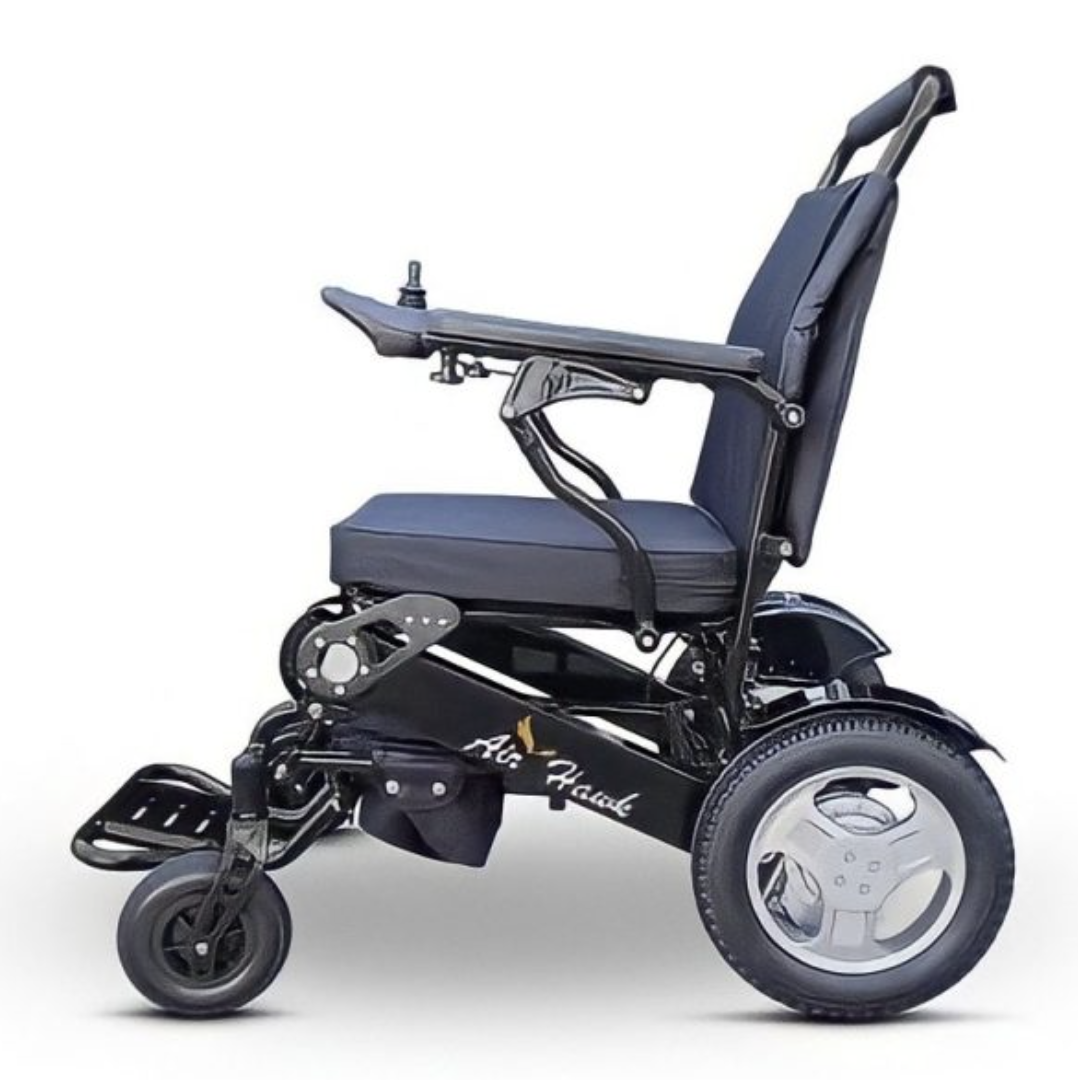


Best Mobility Scooter
Aug 1, 2024 7:00 AM
Updated Aug 6, 2024 3:45 AM
Choosing the right mobility scooter can greatly enhance your quality of life, but with so many options available, it can be challenging to find the best fit for your needs.
Mobility scooters have become an essential tool for many individuals, providing independence and freedom of movement. Choosing the right mobility scooter can greatly enhance your quality of life, but with so many options available, it can be challenging to find the best fit for your needs. This article will guide you through the key factors to consider when selecting a mobility scooter.
Introduction
Mobility scooters are designed to assist individuals with mobility challenges, enabling them to move around easily and safely. Whether for short trips around the neighborhood or longer journeys, the right mobility scooter can make a significant difference. It is important to consider various aspects such as comfort, performance, and practicality to ensure you choose the best scooter for your lifestyle. Let's delve into the essential factors to consider.
Types of Mobility Scooters
Travel Scooters
- PortabilityTravel scooters are lightweight and designed for easy transport. They can be disassembled into smaller parts, making them ideal for travel and short trips.
- Compact SizeThese scooters are compact, which makes them easy to maneuver in tight spaces. However, they may have a lower weight capacity and shorter battery life compared to larger models.
Mid-Size Scooters
- Balance of FeaturesMid-size scooters offer a balance between portability and performance. They provide better comfort and stability than travel scooters and are suitable for both indoor and outdoor use.
- Increased RangeWith a larger battery, mid-size scooters typically offer a longer travel range, making them suitable for extended use throughout the day.
Related stories
Heavy-Duty Scooters
- High Weight CapacityHeavy-duty scooters are designed to support higher weight capacities and offer superior durability. They are ideal for individuals who require a more robust and powerful scooter.
- Enhanced Comfort and FeaturesThese scooters often come with advanced features such as suspension systems, larger seats, and increased legroom, ensuring maximum comfort during longer rides.
Key Factors to Consider
Weight Capacity
- User WeightEnsure the scooter can comfortably support your weight. Check the manufacturer’s specifications for the maximum weight capacity and choose a scooter that exceeds your weight by a comfortable margin.
- Additional LoadConsider any additional weight you might carry, such as groceries or personal items. The scooter should be able to handle the combined weight without compromising performance.
Battery Life and Range
- Daily UsageEvaluate how far you plan to travel on a daily basis. Choose a scooter with a battery range that comfortably covers your typical daily distances to avoid frequent recharging.
- Battery TypeLithium-ion batteries are lightweight and offer longer life, while lead-acid batteries are heavier but generally more affordable. Choose the battery type that best fits your needs and budget.
Comfort and Ergonomics
- Seat and BackrestLook for a scooter with a comfortable, adjustable seat and supportive backrest. Proper ergonomics can prevent discomfort during prolonged use.
- Control PlacementEnsure that the controls are easy to reach and operate. Test the scooter to see if you can comfortably manage the steering, throttle, and brakes.
Maneuverability
- Turning RadiusA smaller turning radius allows for better maneuverability in tight spaces, which is particularly important for indoor use.
- Wheel TypeConsider whether the scooter has three or four wheels. Three-wheeled scooters are generally more maneuverable, while four-wheeled models offer greater stability.
Terrain Compatibility
- Indoor vs. Outdoor UseDetermine where you will primarily use the scooter. For indoor use, a compact and maneuverable model is ideal. For outdoor use, look for a scooter with larger wheels and better suspension to handle rough terrain.
- Inclines and Rough SurfacesIf you plan to use the scooter on inclines or uneven surfaces, choose a model with sufficient power and stability to handle these conditions safely.
Additional Features to Consider
Safety Features
- Lights and IndicatorsEnsure the scooter is equipped with lights and indicators for visibility and safety, especially if you plan to use it outdoors in low-light conditions.
- Braking SystemCheck the braking system for reliability. Electromagnetic brakes are commonly used in mobility scooters and provide safe, gradual stopping power.
Storage Options
- Baskets and CompartmentsLook for scooters with built-in storage options such as baskets or compartments to carry personal items or groceries conveniently.
- FoldabilitySome scooters offer foldable designs for easy storage and transport. This feature is particularly useful if you have limited space at home or need to travel frequently.
Conclusion

Choosing the best mobility scooter for your needs involves careful consideration of various factors, including weight capacity, battery life, comfort. By understanding your specific requirements and evaluating the features of different models by Gillani Mobility, you can find a mobility scooter that enhances your independence and suits your lifestyle. Remember to test drive a few models, if possible, to ensure the best fit and comfort. With the right mobility scooter, you can enjoy greater freedom and improved quality of life.
Comments

Powered by RoundtableAn AI/DeFi-powered Enterprise Media Operating System. Learn more at Roundtable.io.© Roundtable 2026. By using this site you agree to the Terms of Use and Privacy Policy