


Dec 5, 2025 8:00 AM
Updated Dec 9, 2025 12:26 AM
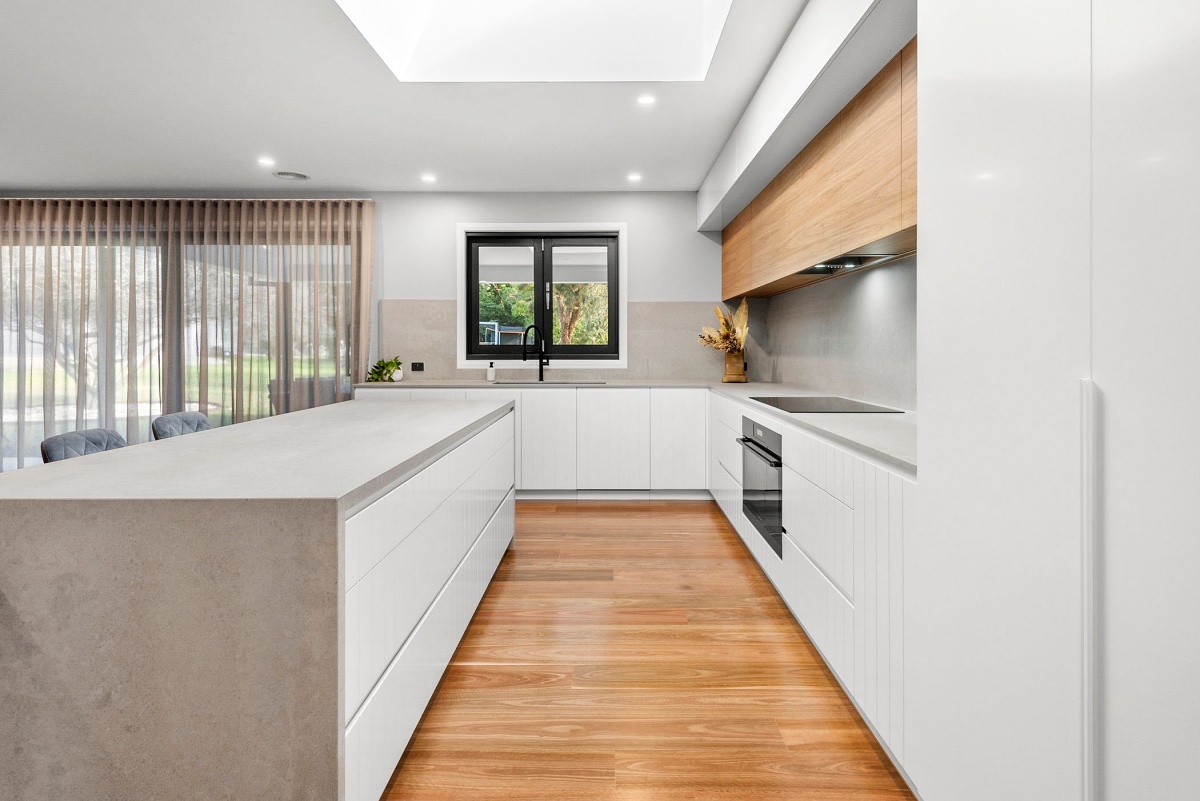
Irregular room dimensions, sloping ceilings, alcoves, or awkward corners present perfect opportunities for bespoke cabinetry.
Home renovations come with countless decisions, and one of the most impactful choices is whether to invest in custom cabinetry. While standard cabinets might seem sufficient at first glance, there are compelling scenarios where bespoke solutions truly shine. Quality cabinet makers in the Mornington Peninsula and across Australia offer tailored solutions that can transform challenging spaces into functional masterpieces. But when exactly does going custom make sense for your renovation project?
Key Takeaways
- Bespoke cabinetry excels in unique spaces with non-standard dimensions or architectural features
- Custom cabinet making typically costs more upfront but can increase property value and functionality
- The decision between bespoke, semi-custom or standard cabinetry should balance budget, space requirements, and long-term goals
When Bespoke Cabinet Making Makes Sense
Unique Layouts and Non-Standard Spaces
Irregular room dimensions, sloping ceilings, alcoves, or awkward corners present perfect opportunities for bespoke cabinetry. Unlike mass-produced units designed for standard spaces, custom cabinets can be tailored to fit precisely within challenging architectural features, maximising every centimetre of available space.
Heritage Properties and Matched Restoration Work
Period homes with distinctive architectural details benefit tremendously from bespoke cabinetry that honours the property's character. Custom cabinet makers can recreate original design elements, match existing joinery, and incorporate heritage features while discreetly integrating modern functionality.
Related stories
High-End Finishes and Specialised Storage
When seeking exceptional quality or specific functionality, bespoke cabinetry delivers unmatched results. From integrated wine storage to specialised kitchen organisers, custom solutions can accommodate your exact requirements while incorporating premium materials and craftsmanship.
Integration with Built-In Appliances
Modern kitchens often feature integrated appliances that require precise cabinetry measurements. Bespoke cabinet making ensures seamless integration of refrigerators, dishwashers, and speciality appliances, creating a cohesive look while accounting for ventilation and access requirements.
Cost Versus Value
Typical Cost Ranges in Australia
Bespoke cabinetry generally commands a premium of 30-50% above standard off-the-shelf options. Key price factors include material selection (with solid timbers at the higher end), hardware quality, finish complexity, and installation challenges. A custom kitchen might range from $15,000 to $50,000+, while bathroom vanities typically fall between $2,000 and $10,000.
"What many homeowners don't initially realise is that bespoke cabinetry isn't simply about aesthetics—it's an investment in functionality that transforms how you experience your home every day." - All Cabinetry
Impact on Resale Value
Quality custom cabinetry can significantly enhance property value, particularly in higher-end markets where buyers appreciate craftsmanship. Kitchen and storage improvements typically return 70-80% of their cost at resale, with bespoke solutions often cited in property listings as premium features.
Practical Budgeting Tips
To maximise value while controlling costs:
- Consider hybrid approaches with custom fronts on standard carcasses
- Focus custom work on highly visible areas while using standard solutions elsewhere
- Prioritise quality hardware over exotic materials
- Stage your renovation to spread costs while maintaining design coherence
Design and Functionality Considerations
Storage Planning and Workflow
Effective cabinetry design begins with analysing how you'll use the space. Custom cabinets can be designed around your specific storage needs and movement patterns, creating intuitive zones for preparation, cooking, and cleaning in kitchens, or practical storage hierarchies in other living spaces.
Ergonomics and Accessibility
Bespoke cabinet making allows for personalised heights, depths, and accessibility features. This customisation proves invaluable for households with varying user heights, older residents, or specific accessibility requirements that standard cabinetry simply cannot accommodate.
Hardware Choices and Durability
Custom cabinets can incorporate premium hardware systems that significantly enhance functionality and longevity. Soft-close mechanisms, full-extension drawers, and specialised storage inserts transform everyday usability, while proper material selection ensures decades of reliable service.
Materials and Finishes
Timber and Board Options
Australian cabinet makers typically work with native species like Tasmanian oak, blackwood, and spotted gum, alongside imported options. Engineered boards offer stability and cost advantages, with premium variants featuring natural timber veneers for an authentic appearance with enhanced durability.
Finish Options
Beyond standard polyurethane sprays, bespoke cabinets can feature hand-applied oils, specialty lacquers, or even two-pack automotive-grade finishes for exceptional durability. Laminates have also evolved considerably, with ultra-matte and textured options rivalling more expensive materials at fraction of the cost.
Sustainability Considerations
Local materials and manufacturing reduce environmental impact while supporting Australian craftsmanship. Look for cabinet makers using sustainably sourced timbers, low-VOC finishes, and responsible waste management practices.
Finding and Working with a Bespoke Cabinet Maker
Evaluating Experience and References
Quality cabinet makers maintain portfolios showcasing their range and capabilities. Request detailed references, particularly for projects similar to yours, and if possible, arrange to view completed installations to assess finish quality and durability firsthand.
Key Questions to Ask
Before committing, clarify warranty terms, production timelines, payment schedules, and whether any aspects will be subcontracted. Understanding the company's approach to on-site adjustments and post-installation support proves equally important for a smooth experience.
Licensing and Compliance
Australian requirements vary by state, but generally, cabinet makers should hold appropriate trade qualifications or licensing. For kitchens and bathrooms, understanding compliance with waterproofing and electrical requirements becomes particularly important.
Project Timeline and Coordination
Typical Lead Times
Custom cabinetry requires patience. The process typically includes 2-4 weeks for design finalisation, 4-8 weeks for manufacturing, and 1-2 weeks for installation. Planning ahead prevents the disappointment of rushed decisions or extended periods without functional spaces.
Site Measurement and Templates
Precision measurements form the foundation of successful custom cabinetry. Many manufacturers now employ digital templating systems for exceptional accuracy, particularly valuable in homes with non-square walls or uneven surfaces.
Installation Process
Professional installation makes a substantial difference in the final result. Quality cabinet makers typically handle installation themselves rather than subcontracting, ensuring accountability throughout the process and addressing any adjustments promptly.
Alternatives to Fully Bespoke Options
Semi-Custom Solutions
Many manufacturers offer semi-custom options that provide limited customisation within standard sizing parameters. This middle-ground approach can deliver much of the benefit of fully bespoke work at a more accessible price point.
Hybrid Approaches
Combining custom elements with standard components often represents the sweet spot for value. Custom doors and panels mounted on quality standard carcasses can achieve a bespoke look while controlling costs.
When Standard Makes More Sense
For rental properties, short-term accommodation, or spaces with standard dimensions, off-the-shelf solutions may provide better return on investment. Standard cabinetry has also improved significantly in quality and flexibility in recent years.
Decision Checklist for Homeowners
Self-Audit Questions
Ask yourself: How complex is my space? What is my realistic budget? How long do I plan to remain in the property? Do I have specific functional requirements that standard solutions cannot meet? These fundamental questions help clarify whether bespoke is worth the investment.
Weighing Options
Consider creating a simple scoring system for your specific requirements, giving appropriate weight to budget constraints, space challenges, design priorities, and long-term value. This methodical approach helps prevent emotional decisions you might later regret.
Final Verification
Before proceeding, confirm material samples, review detailed drawings, and clarify all specifications in writing. Quality cabinet makers welcome this thoroughness and will provide comprehensive documentation before production begins.

Choosing the right cabinetry approach for your renovation requires balancing immediate budget constraints against long-term functionality and value. Bespoke cabinet making makes the most sense when dealing with challenging spaces, seeking specific functionality, or investing in premium property improvements. By carefully evaluating your needs against the options available, you can make informed decisions that serve your lifestyle and financial goals. For personalised advice on your specific project, consider consulting with All Cabinetry to explore solutions tailored to your unique requirements.
Comments

Powered by RoundtableAn AI/DeFi-powered Enterprise Media Operating System. Learn more at Roundtable.io.© Roundtable 2026. By using this site you agree to the Terms of Use and Privacy Policy