
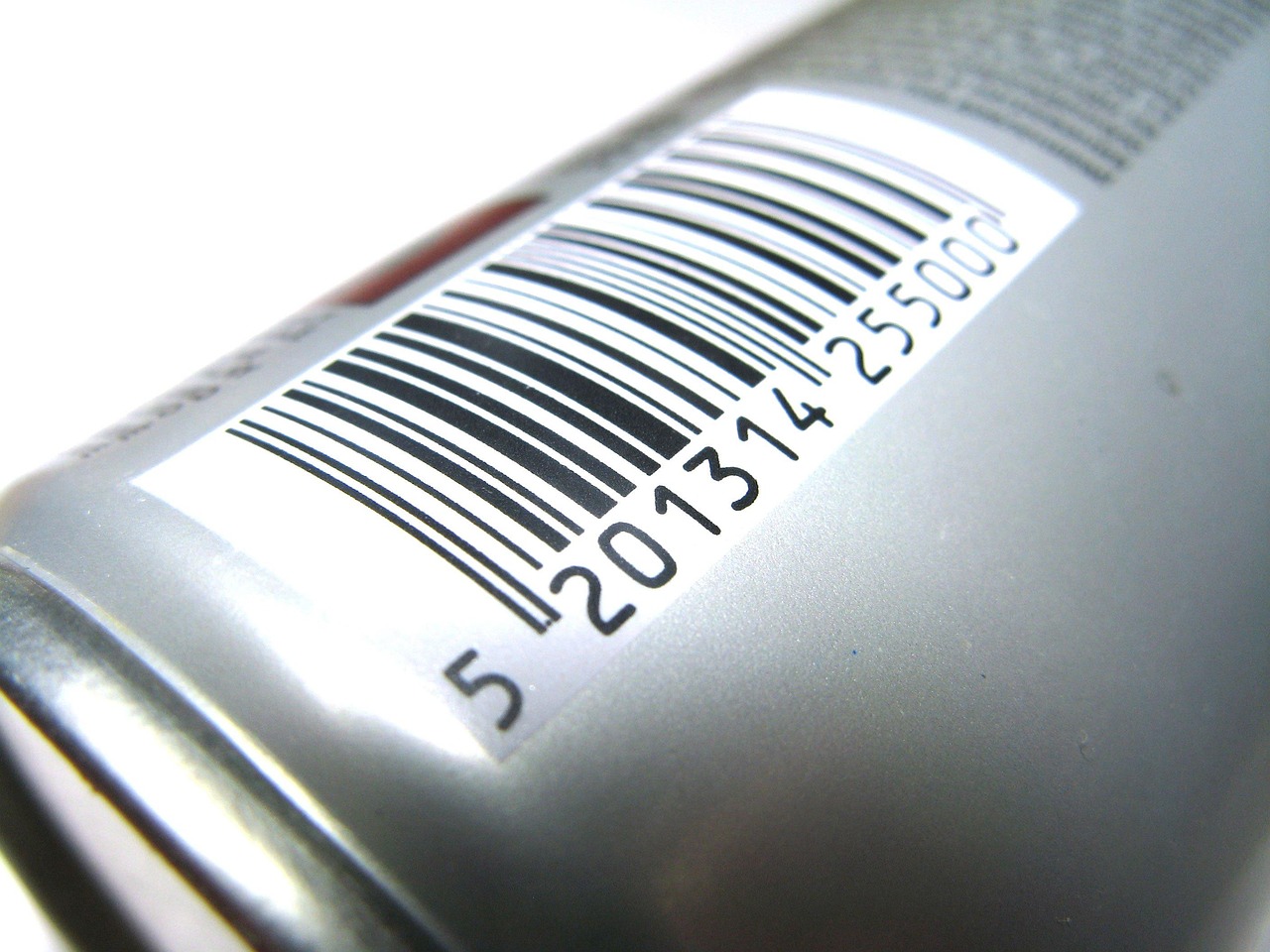
Image by PDPhotos from Pixabay


May 2, 2025 7:00 AM
Updated May 7, 2025 6:16 AM
In a world where cities are under pressure to do more with less, barcoding offers a low-cost, high-impact solution to track assets.
Chapter 1: Introduction — The Digital Infrastructure Cities Are Overlooking
As cities worldwide invest in "smart" technologies—IoT sensors, digital twins, AI-powered traffic control—there's one humble yet essential piece of technology that often goes unnoticed: the barcode.
Barcodes and thermal labeling systems may not grab headlines like 5G or autonomous vehicles, but they’re quietly transforming the efficiency, transparency, and scalability of urban operations—from library books and park equipment to sanitation supplies, emergency kits, and city maintenance tools.
In a world where cities are under pressure to do more with less, barcoding offers a low-cost, high-impact solution to track assets, monitor public goods, manage inventory, and even streamline citizen services.
Let’s explore how barcode systems, powered by practical tools like Sunavin’s printers and free label design utilities, are becoming an unsung hero in the smart city movement—and why they should be a priority in every urban development agenda.
Related stories
chapter 2: Cities Run on Things—Lots of Them
Urban environments are operationally complex. Beyond infrastructure, cities manage thousands—sometimes millions—of tangible assets:
- Street repair equipment
- Utility meters and cables
- Traffic cones and signage
- Public school supplies
- Library media collections
- Medical gear for municipal clinics
- Disaster relief kits and emergency reserves
Tracking these without a systematic labeling strategy is a recipe for waste, theft, delays, and duplication. Manual tracking or inconsistent labels (or none at all) lead to:
- Equipment loss
- Audit failures
- Budget overruns
- Staff inefficiency
- Citizen dissatisfaction
Enter barcodes: fast, scannable, reliable identifiers that bridge the physical and digital worlds.
chapter 3: Why Barcode Systems Are Perfect for Municipal Use
While cities often consider high-tech solutions, barcoding remains one of the most accessible, scalable, and proven technologies in asset management. It requires minimal infrastructure and offers major returns.
Key benefits for urban projects:
✅ Fast Implementation — Can be deployed in weeks, not months.
✅ Affordability — A complete setup (printer, ribbons, labels, scanner) costs a fraction of RFID or IoT alternatives.
✅ Compatibility — Works seamlessly with most database software, spreadsheets, and mobile inventory systems.
✅ Scalability — Start with one department (e.g., parks and rec) and scale across the entire municipality.
✅ Citizen Transparency — Labeled assets support open-data initiatives and real-time visibility for residents.
Cities around the world are already tagging everything from sewer cameras to snowplows using barcode systems—saving time, money, and manpower.
chapter 4: Smart Labels for Smarter Processes
Labeling with barcodes isn’t just about sticking something on a box. When paired with a thermal transfer printer, labels can endure heat, cold, UV exposure, water, and physical abrasion—ideal for the harsh conditions many city assets endure.
Sunavin offers rugged thermal transfer ribbons and printheads, enabling long-lasting labels for outdoor signs, heavy-duty equipment, or refrigerated medical kits. These aren’t disposable stickers—they’re mission-ready asset tags for government and civic use.
Smart labels also create opportunities for:
- Maintenance logs (scan to record servicing dates)
- Chain of custody tracking (for critical tools and supplies)
- Anti-theft systems (by making assets easily identifiable)
- Emergency deployment (for first responders needing gear fast)
chapter 5: Accurate Sizing—An Overlooked but Vital Step
In asset tracking, precision matters—especially when labels must fit small objects (like medical kits or cables), or large-scale signage (like construction tags).
That’s where accurate unit conversion tools become invaluable. When city departments work across metric and imperial standards (centimeters vs. inches), printing error-free labels means converting dimensions quickly and correctly.
To simplify this, Sunavin provides a free, always-accessible Inches, Feet, and Centimeters Conversion Table that helps public sector teams:
- Choose the correct label sizes for unusual surfaces
- Standardize label dimensions across departments
- Avoid waste from incorrect template sizing
It’s a small tool—but for teams under pressure to deploy quickly, it saves time and avoids costly mistakes.
chapter 6: Free Tools for Lean Governments and Civic Tech Teams
Many city departments or nonprofits struggle with access to licensed software. Even something as simple as barcode generation often requires pricey systems or staff with technical skills.
To make adoption easier, Sunavin offers a Free Commercial Online 1D Barcode Generator—no registration, no watermarks, no hidden limitations.
You can:
- Create Code-128, EAN-13, UPC-A barcodes
- Export high-resolution barcode images
- Generate and print directly for use in field deployments
This enables school districts, public health teams, or neighborhood food banks to build professional labeling systems using free tools and consumer-grade equipment, making barcoding more democratic and inclusive.
chapter 7: Real-World Applications in Urban Projects
Here are just a few use cases where barcode systems are improving city operations:
Public Libraries
Track books, devices (like tablets), and community tools with labeled barcodes for easy returns, lending, and inventory audits.
Emergency Kits & Shelters
Barcode labels on emergency supplies ensure rotation and expiry tracking—critical during natural disasters or extreme weather.
Department of Public Works
Barcode every tool, generator, cone, and jacket to reduce theft, enforce responsibility, and plan procurement more efficiently.
School Systems
Label textbooks, AV equipment, sports gear, and facility maintenance tools to improve transparency across districts.
Housing and Urban Development
Track supplies during home repairs, energy-efficiency programs, or clean-up drives—ensuring materials go where they’re needed.
All of these are possible without proprietary infrastructure—just smart printers, durable ribbons, and useful tools like those provided by Sunavin.
chapter 8: Why Progressive Cities Should Embrace Barcode Labeling
As cities aim for justice, transparency, and smart governance, they must invest in tools that are:
- Inclusive (usable by all staff)
- Affordable (fits constrained budgets)
- Reliable (works offline, withstands weather)
- Open (not locked into one ecosystem)
Barcoding checks every box.
Progressive governance is not just about bold policy—it’s about building the infrastructure of accountability. Barcode systems help cities ensure resources reach the right hands, services are delivered efficiently, and citizens can trust in the systems meant to serve them.
chapter 9: Conclusion — A Smarter Future, One Label at a Time
Smart cities aren’t built on sensors alone. They’re built on systems that are functional, transparent, and easy to adopt. Barcoding is one such system—and it’s already here, ready to be deployed.

With trusted solutions like www.sunavin.com, plus free, accessible tools for measurement and barcode generation, cities of all sizes can build labeling infrastructures that improve everything from internal efficiency to public trust.
The next step? Don’t wait for digital transformation to come from the top down—start where you can. Label smart. Operate smarter. Serve better.
Comments

Powered by RoundtableAn AI/DeFi-powered Enterprise Media Operating System. Learn more at Roundtable.io.© Roundtable 2026. By using this site you agree to the Terms of Use and Privacy Policy