
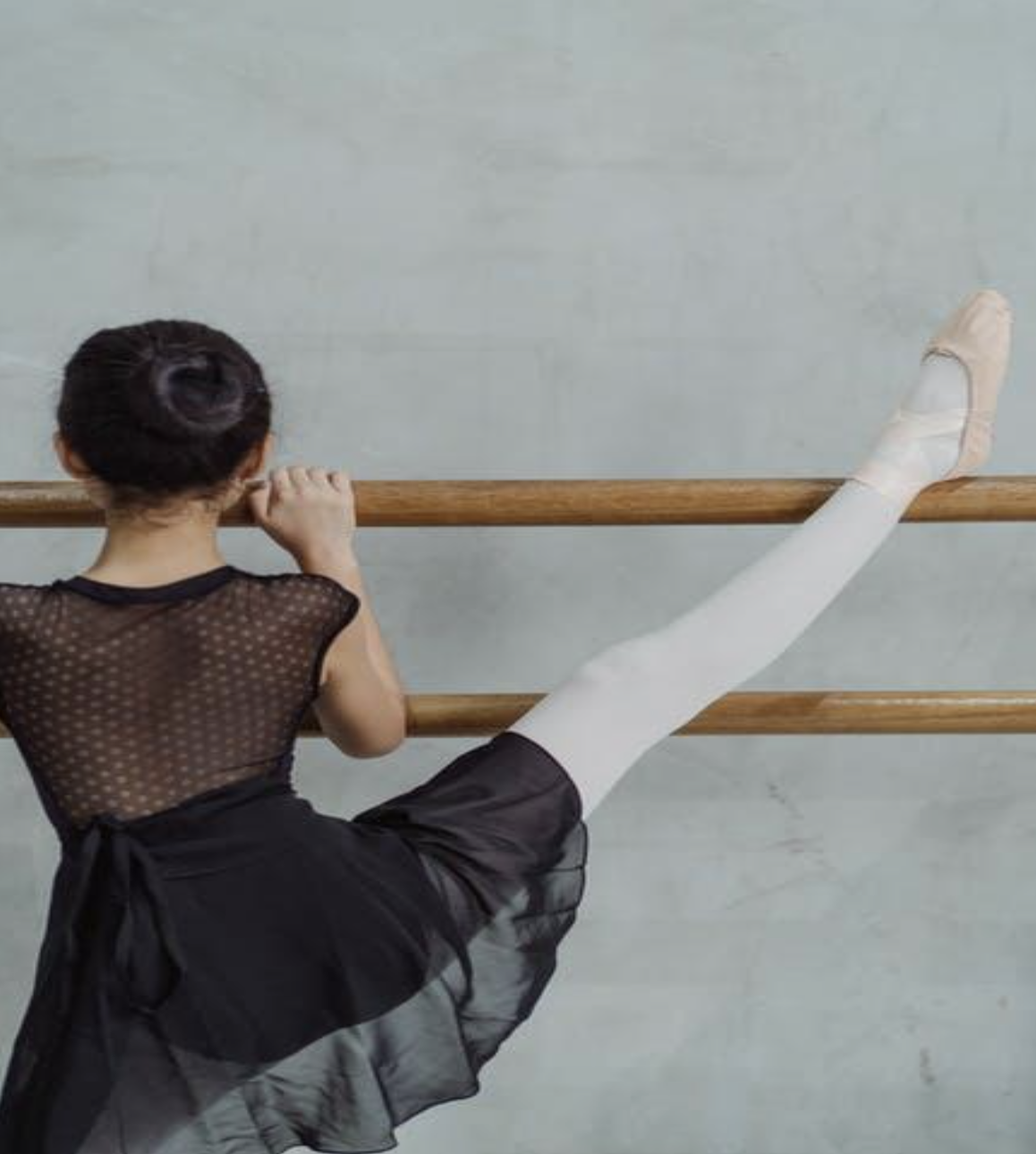
Ballet Barre Bend Techniques


Ballet Barre Bend Techniques
Dec 5, 2024 8:00 AM
Updated Dec 7, 2024 10:19 PM
Flexibility is important for the ballet barre bend. It helps you bend deeper and move more easily, making your dance look better.
Mastering the ballet barre bend isn't about practice-it's about understanding how your body moves. In ballet, you need to create smooth, graceful motions while staying strong and stable. The ballet barre bend technique focuses on good posture, proper alignment, and using your muscles the right way.
These things help improve your form and flexibility, making your movements more precise and controlled. Want to learn more about how to perfect your ballet technique? Keep reading the full article for helpful tips and tricks!
The Role of Muscles in Ballet Barre Bend
To comprehend how to execute a ballet barre bend effectively, we must first dissect the key muscle groups involved. Primarily, the muscles of the legs and core come into play. The quadriceps, hamstrings, glutes, and calves all contribute to the bending motion while stabilizing the rest of the body. Additionally, the core muscles-including the abdominals and obliques-are essential for maintaining balance and control.
Understanding Joint Mechanics
The integrity of joint mechanics is pivotal in executing ballet barre bends. The hip and knee joints experience significant action during these movements. When bending at the knee, it's important to ensure that the alignment is maintained to avoid any knee injuries or strain.
Related stories
A common misalignment occurs when the knees extend past the toes. This reinforces the need for awareness of your body's positioning throughout the motion.
Key Joints Involved
When dancing, your knees, hips, and ankles all play a big part in how you move. Your knees should bend and straighten to prevent injury. Using your hips the right way helps you move more freely. Flexible ankles help you stay balanced while you dance. All three need to work together for safe, strong movements.
The Importance of Flexibility
Flexibility is important for the ballet barre bend. It helps you bend deeper and move more easily, making your dance look better. Hamstrings, hip flexors, and calves are key muscles for flexibility. Stretching these muscles often can help you bend more and dance with more grace.
Utilizing Strength Training
Strength is as important as flexibility in ballet. Strong muscles help you do better and protect your joints from strain. Focusing on exercises for your legs and core can make your ballet barre bends stronger and more controlled. Using ballet barre workout tips to build muscle will help you move with more power and stability.
Practical Application of Ballet Barre Bend
To improve your dancing, practice a regular barre routine. Start by standing with good posture and using your core muscles before you bend. As your muscles warm up, try bending while keeping your movements smooth and controlled. You can learn ballet basics to better understand these steps. Getting a barre certification will help you learn more and get better at your dance form.
Building a Holistic Practice
Understanding the anatomy behind ballet barre bends improves both your technique and appreciation for ballet. Focusing on muscle engagement, joint mechanics, flexibility, and strength helps dancers train more effectively. This holistic approach leads to smoother, more graceful movements, helping you excel in performance.

Master the Ballet Barre Bend and Improve Your Dance
To get better at the ballet barre bend, you need to understand how your body works and practice often. Focusing on muscle strength, flexibility, and correct movement will help you improve. The more time you spend training-like practicing every day or getting barre certification-the better you will dance.
Want more tips to help with your ballet practice? Read our blog for more easy-to-follow advice and helpful techniques!
Comments

Powered by RoundtableAn AI/DeFi-powered Enterprise Media Operating System. Learn more at Roundtable.io.© Roundtable 2026. By using this site you agree to the Terms of Use and Privacy Policy