


Aug 19, 2026 7:00 AM
Updated Aug 24, 2026 4:32 AM
A well-planned 4x4 setup takes a more measured approach, adding useful off-road capability while preserving the everyday manners that matter during commuting and longer highway trips.
A capable 4x4 does not have to be uncomfortable on the highway, and a comfortable daily driver does not have to stay on pavement. The key is choosing upgrades that work together instead of maximizing one area at the expense of everything else.
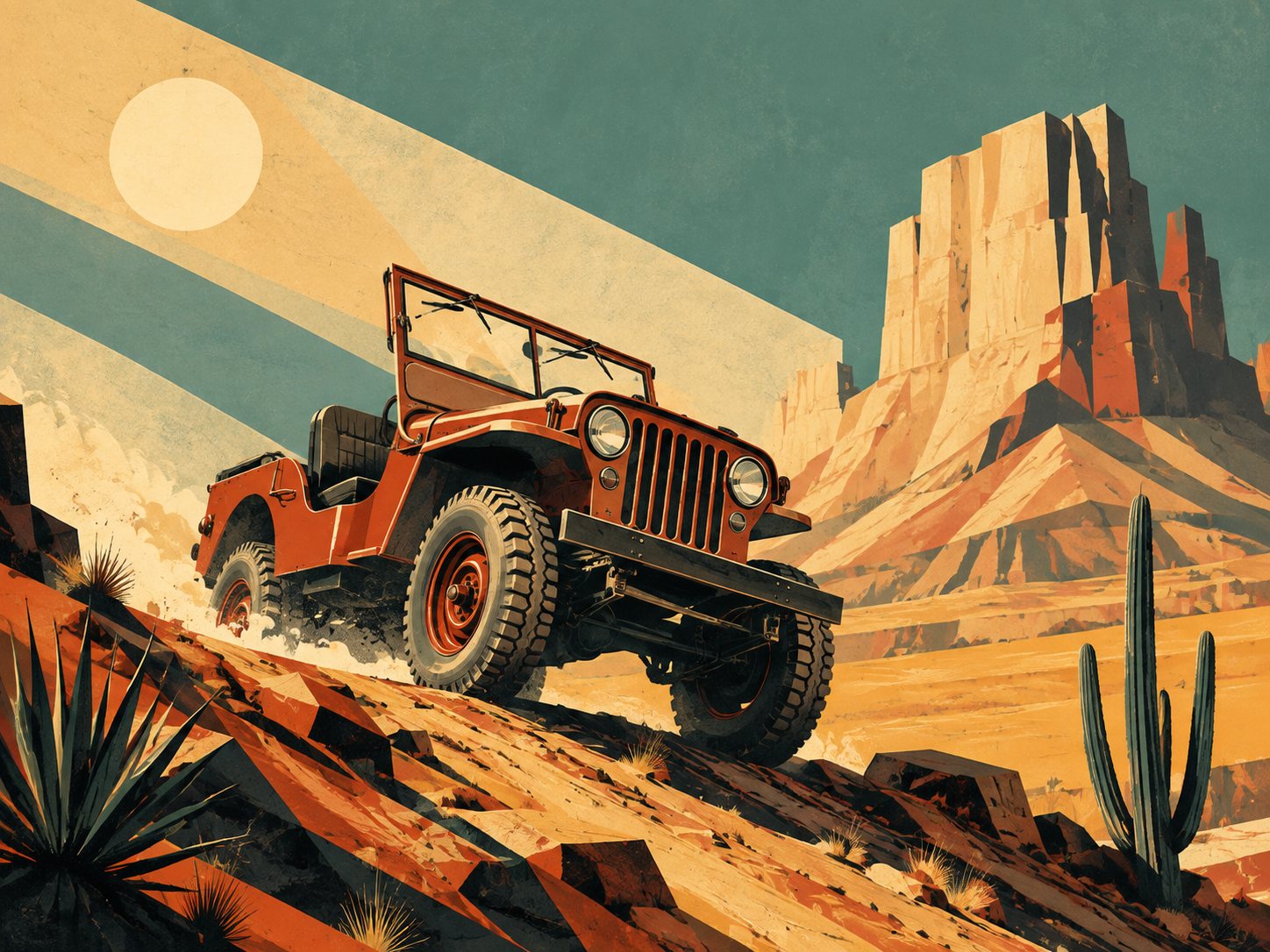
For truck and Jeep owners who commute during the week but spend weekends exploring dirt roads, rocky trails, campsites, and backcountry routes, a balanced build should prioritize traction, ride quality, ground clearance, predictable handling, and durability. That means selecting the right tires, wheels, suspension components, and supporting 4x4 parts for the way the vehicle is actually used.
An extreme suspension lift, oversized mud tires, or highly aggressive wheel offset might look impressive, but those modifications can also affect steering, braking, road noise, fuel economy, and ride comfort. A well-planned 4x4 setup takes a more measured approach, adding useful off-road capability while preserving the everyday manners that matter during commuting and longer highway trips.
Choosing the Right Tires, Wheels, and Lift Height
Tires are one of the most important decisions in any mixed-use 4x4 build. They are the vehicle's direct connection to the road or trail and can influence traction, steering response, braking, comfort, and noise.
Related stories
For a vehicle that spends significant time on pavement, all-terrain tires are often a practical choice. They are designed to provide useful traction on dirt, gravel, light mud, and uneven terrain while generally maintaining more street-friendly characteristics than aggressive mud-terrain tires.
Tire size should be chosen carefully. Larger tires can improve ground clearance and make it easier to roll over trail obstacles, but they can also add weight and affect effective gearing. Drivers should consider whether the extra diameter is actually necessary for the type of off-roading they plan to do.
Wheel choice is equally important. Quality 4x4 wheels should be selected based on more than appearance. Diameter, width, offset, backspacing, bolt pattern, load rating, and brake clearance all affect fitment.
For many daily-driven off-road builds, 17 inch wheels offer an appealing balance. When paired with appropriately sized truck or Jeep tires, a 17-inch wheel can leave enough sidewall to absorb rough surfaces while still providing stable highway manners.
Taller tire sidewalls can be especially useful on trails. When tire pressures are adjusted appropriately for off-road conditions and within manufacturer recommendations, the additional sidewall can flex over rocks and uneven terrain. This can help the tire maintain useful contact while reducing some of the harshness transmitted through the suspension.
Lift height should follow the same balanced approach.
A modest leveling kit or suspension lift may provide enough tire clearance and ground clearance for mild to moderate trail use without dramatically changing the vehicle's center of gravity or road behavior. Larger lifts may be useful for more demanding builds, but they often require additional attention to steering geometry, driveline angles, suspension travel, and supporting components.
Rather than selecting lift height based solely on appearance, start with the desired tire size and trail requirements. Then determine how much additional clearance the vehicle actually needs.
Parts That Improve Comfort Without Sacrificing Capability
Suspension tuning plays a major role in creating a 4x4 that feels good both on pavement and off-road. Ride quality depends on more than how high the vehicle sits. Springs, shocks, control arms, tire pressure, tire construction, and vehicle weight all contribute to how the truck or Jeep reacts to bumps and uneven surfaces.
Quality shocks can be especially important in a mixed-use build. The right dampers help control suspension movement over potholes, washboard roads, dips, and trail obstacles. They can also improve stability by limiting excessive bouncing or body movement after the suspension encounters a bump.
Spring rates should match the vehicle's real-world weight. A truck carrying a steel bumper, winch, rooftop tent, recovery equipment, and camping gear may need different suspension characteristics than an otherwise stock daily driver. Installing components designed for loads the vehicle does not carry can lead to an unnecessarily stiff ride.
Comfort also depends on tire selection. A heavily reinforced mud-terrain tire may make sense for a truck that regularly encounters deep mud or sharp rocks, but it may be more tire than a daily-driven vehicle needs. An all-terrain tire can often provide enough off-road grip for weekend trails while delivering lower road noise and more predictable pavement performance.
Steering and braking should remain part of the conversation as tire size increases. Larger and heavier wheel-and-tire combinations add rotating mass, which may affect acceleration and stopping response. Proper alignment is also important after suspension or wheel changes to help maintain predictable handling and even tire wear.
Underbody protection can add capability without significantly reducing everyday comfort. Skid plates can protect vulnerable components from rocks and trail debris, while properly designed rocker protection can help shield bodywork in rough terrain. Recovery points are another practical addition for drivers who travel beyond maintained roads.
For vehicles that frequently carry gear, thoughtful cargo management can also make weekend trips easier without changing how the vehicle behaves during daily driving. Secure storage, roof or bed systems, and recovery equipment can be added based on actual needs instead of turning every build into a heavily loaded expedition vehicle.
The most successful dual-purpose 4x4 builds are rarely the most extreme. They use compatible upgrades that support one another.
A moderate lift, well-matched all-terrain tires, correctly fitted wheels, quality shocks, and practical protection can create a truck or Jeep that remains comfortable during a Monday morning commute while still being ready for a trail on Saturday.
Before upgrading, consider where the vehicle spends most of its time, what terrain it realistically encounters, and which modifications provide a meaningful benefit. Building around those priorities helps preserve reliability, comfort, and drivability while still adding the ground clearance, traction, and durability needed for weekend adventures.
A balanced 4x4 is not defined by the biggest tires or tallest suspension. It is defined by how well the entire setup works together, giving the driver confidence on pavement, dirt, and everything in between.
Comments

Powered by RoundtableAn AI/DeFi-powered Enterprise Media Operating System. Learn more at Roundtable.io.© Roundtable 2026. By using this site you agree to the Terms of Use and Privacy Policy