
Wikimedia Creative Commons Attribution-Share Alike 4.0 International license.


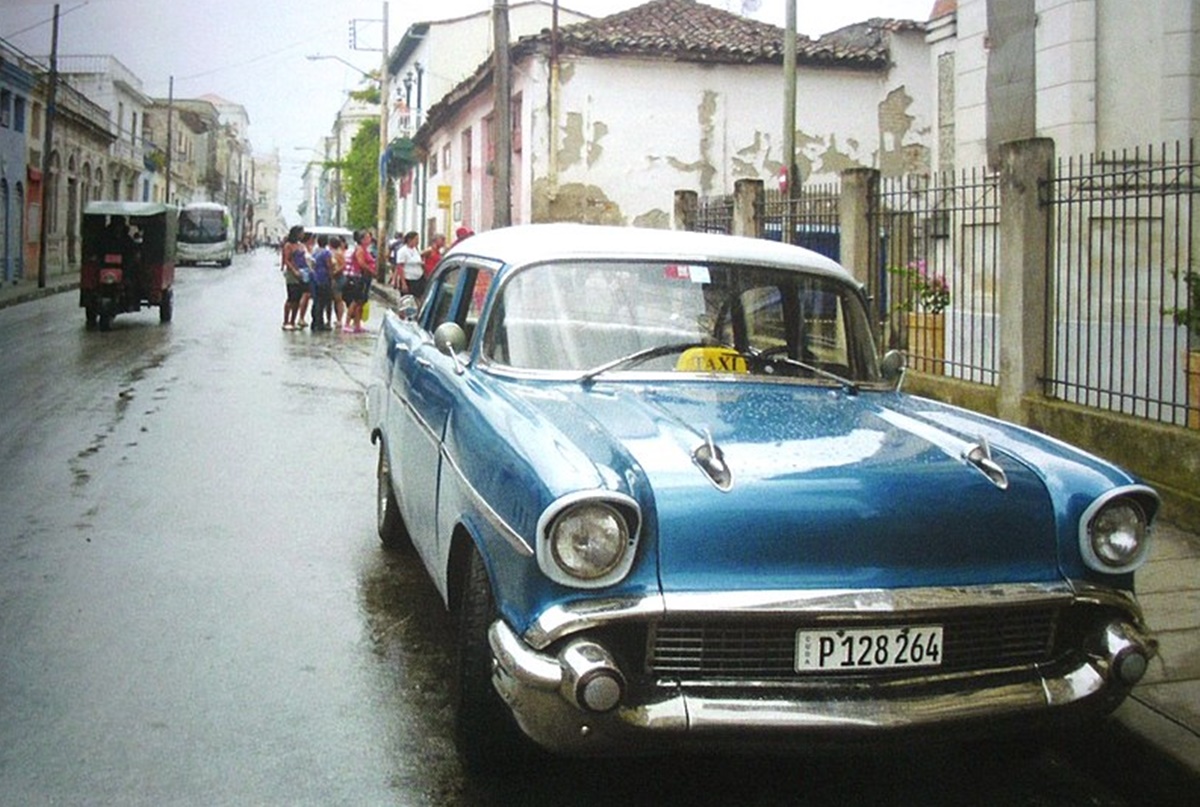
Old Car in Cuba
Mar 15, 2024 3:18 PM
Cuban art is deeply influenced by the country's complex history and diverse cultural roots.
Cuba, with its rich history and diverse cultural heritage, has long been a hub of artistic expression. From vibrant street art to soul-stirring music, the island nation boasts a dynamic cultural scene that reflects the resilience and creativity of its people. In this article, we'll explore the colorful artistic scene in Cuba, looking at the different ways artists express themselves and the special obstacles and successes they encounter.
The Influence of History and Tradition
Cuban art is deeply influenced by the country's complex history and diverse cultural roots. From the indigenous Taíno people to the Spanish colonizers and African slaves, Cuba's culture is a mix of many different influences. This rich heritage is evident in the vibrant colors, rhythmic patterns, and symbolic motifs that characterize Cuban art.
One of the most iconic forms of artistic expression in Cuba is Afro-Cuban music and dance, which combines African rhythms with Spanish melodies and indigenous influences. From the pulsating beats of the conga drums to the graceful movements of the salsa, Afro-Cuban music and dance are an integral part of the country's cultural identity.
The Resilience of Cuban Artists
Despite facing numerous challenges, including economic hardship and political censorship, Cuban artists have shown remarkable resilience in their pursuit of creative expression. Many artists have found innovative ways to work around government restrictions, using symbolism and metaphor to convey their messages subtly.
Related stories
One such example is the Cuban street art movement, which has flourished in recent years despite government crackdowns on public dissent. Street artists use walls and buildings as their canvas, creating powerful murals that address social and political issues while also celebrating Cuban culture and identity.
The Role of Art in Cuban Society
Art plays a central role in Cuban society, serving as a means of expression, resistance, and solidarity. In addition to street art, Cuba is home to a thriving community of painters, sculptors, musicians, writers, and filmmakers who explore a wide range of themes and styles.
One of the most famous Cuban artists is the painter and sculptor José Rodríguez Fuster, whose whimsical, colorful creations adorn the streets of Havana. Fuster's work reflects the spirit of Cuban culture, drawing inspiration from folklore, mythology, and everyday life.
Challenges and Opportunities
While Cuban artists face numerous challenges, including limited access to resources and censorship, they also have opportunities to showcase their work on the international stage. Cuban art festivals and exhibitions attract visitors from around the world, providing artists with a platform to share their talents and connect with other creatives.
In recent years, there has been a growing interest in Cuban art and culture abroad, leading to increased opportunities for Cuban artists to exhibit and sell their work internationally. This global recognition not only provides economic opportunities for Cuban artists but also helps to promote greater understanding and appreciation of Cuban culture worldwide.
For those interested in experiencing the vibrant artistic scene firsthand, obtaining a Cuba visa is the first step towards exploring the island's cultural riches. With a visa in hand, visitors can immerse themselves in the colorful streets of Havana, visit galleries and museums showcasing Cuban art, and engage with local artists to gain insight into their creative process.

Artistic expression in Cuba is as diverse and vibrant as the country itself, reflecting its rich history, cultural heritage, and spirit of resilience. From the colorful streets of Havana to the galleries and theaters of the capital, Cuban artists continue to push boundaries and defy expectations, creating a dynamic cultural scene that captivates and inspires audiences around the world. As Cuba enters a new era of change and transformation, its artists will undoubtedly play a central role in shaping the country's future, using their creativity and passion to build a brighter, more inclusive society for generations to come.
Comments

Powered by RoundtableAn AI/DeFi-powered Enterprise Media Operating System. Learn more at Roundtable.io.© Roundtable 2026. By using this site you agree to the Terms of Use and Privacy Policy