
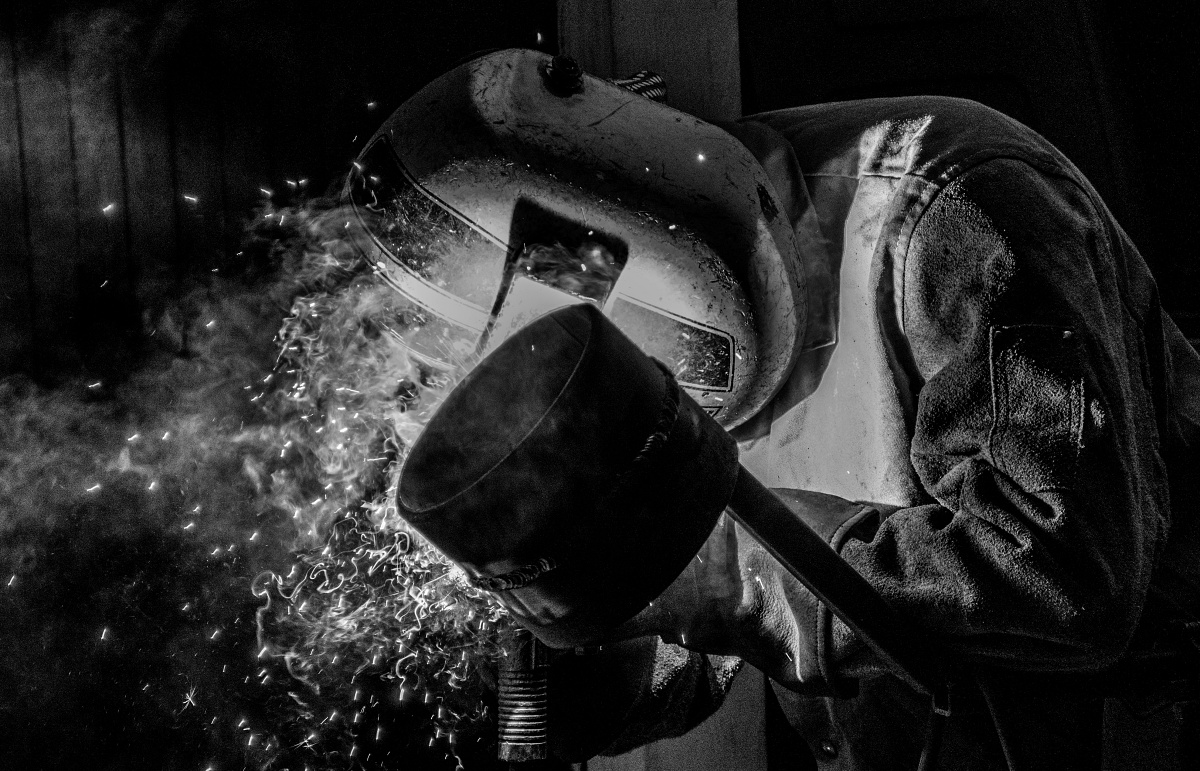
Photo by Irbin Medina:


Apron for Welding
Mar 19, 2024 7:00 AM
Updated Mar 22, 2024 4:13 AM
Among the diverse array of welding aprons available, those crafted from leather hold a distinguished status due to their exceptional durability and heat resistance.
When it comes to ensuring safety in welding environments, protective gear is paramount. Among the essential equipment for welders, the welding apron stands as a frontline defense against various hazards like sparks, spatter, and heat. Among the diverse array of welding aprons available, those crafted from leather hold a distinguished status due to their exceptional durability and heat resistance. Understanding the different types of welding leather aprons is crucial for welders seeking the best protection suited to their needs and working conditions. In this guide, we delve into the various types of welding leather aprons, highlighting their features and benefits to aid welders in making informed choices for their safety gear.
Features of a Quality Welding Apron
A quality welding apron boasts several key features that ensure maximum protection and comfort for the wearer. Firstly, the material used should be durable and able to withstand high temperatures without melting or catching fire. Leather is a popular choice due to its natural heat resistance and durability. Additionally, the apron should provide a comfortable fit and include features such as adjustable straps and waist ties. Pockets and tool loops are also beneficial for conveniently storing welding accessories.
Benefits of Using Welding Aprons
Using welding aprons offers numerous benefits to welders, beyond mere protection from sparks and heat. One significant advantage is the prevention of burns and injuries, which can result in downtime, medical expenses, and potential long-term health issues. By wearing a welding apron, welders can work with confidence, knowing that their bodies are shielded from potential harm. This not only enhances their safety but also promotes greater focus and productivity, ultimately leading to more efficient and successful welding operations. Furthermore, Leather apron for welding contributes to enhanced safety standards in the workplace, ensuring compliance with occupational health and safety regulations. By providing a physical barrier between the welder's body and the hazards present in welding environments, such as hot metal, sparks, and molten debris, aprons reduce the risk of accidents and injuries. This not only protects the individual welder but also minimizes the potential for damage to surrounding equipment and structures. Additionally, wearing a welding apron instills a sense of professionalism and responsibility, signaling to colleagues and supervisors a commitment to safety and best practices. Overall, the benefits of using welding aprons extend beyond personal protection to encompass broader implications for workplace safety and operational efficiency.
Types of Welding Aprons
Welding aprons come in various materials and styles to suit different preferences and welding processes. Leather welding aprons are renowned for their durability and heat resistance, making them ideal for heavy-duty welding applications. Flame-resistant (FR) cotton aprons offer a lightweight and breathable alternative, while denim aprons provide a stylish yet protective option. Hybrid aprons combine the best features of different materials for optimal performance.
Related stories
When it comes to welding aprons, leather is a popular choice due to its durability and heat-resistant properties. There are several types of leather aprons specifically designed for welding, each offering its own set of features and benefits. Here are some common types:
- Full-Length Leather Aprons: These aprons provide comprehensive coverage for the torso and legs, offering maximum protection against sparks, spatter, and heat. They are typically made from thick, heavy-duty leather and feature adjustable straps for a comfortable fit.
- Split Leather Aprons: Split leather aprons are crafted from the inner layer of the hide, offering a balance between durability and flexibility. They provide excellent protection against sparks and heat while allowing for greater freedom of movement compared to full-length aprons.
- Bib Style Leather Aprons: Bib-style aprons cover the torso and feature a bib that extends upward to protect the chest and lower neck area. These aprons are popular among welders who prefer added coverage in the upper body region while still maintaining freedom of movement in the legs.
- Welding Cape Sleeves: Welding cape sleeves are essentially half-length aprons that cover the torso and arms, leaving the legs unrestricted. They are ideal for welders who need protection primarily in the upper body area while working in tight spaces or in a seated position.
- Custom Leather Aprons: Many manufacturers offer the option to customize leather aprons according to individual preferences and requirements. This allows welders to choose specific features such as pocket placement, additional reinforcement, or personalized branding.
- Flame-Resistant (FR) Leather Aprons: Some leather aprons are treated with flame-resistant coatings or materials to enhance their resistance to heat and flame. These aprons provide an extra layer of protection against potential fire hazards in the welding environment.
- Adjustable Leather Aprons: Adjustable leather aprons feature straps or buckles that allow the wearer to customize the fit according to their body size and comfort preferences. This ensures a snug and secure fit while minimizing the risk of the apron slipping or shifting during work.
Choosing the Right Welding Apron
When selecting a welding apron, it's essential to consider factors such as the type of welding being performed, personal comfort preferences, and budget constraints. For instance, heavy-duty welding may require a thick leather apron for maximum protection, while occasional hobby welding may necessitate a lighter, more affordable option.
Maintenance and Care Tips for Welding Aprons
Proper maintenance and care are crucial for prolonging the lifespan of your welding apron. Regular cleaning with mild detergent and water can help remove dirt and debris, while air-drying is recommended to prevent shrinkage. Inspecting the apron for signs of wear and tear, such as fraying or holes, is also essential for ensuring continued protection.
DIY Welding Aprons - How to Make Your Own
For those who prefer a more hands-on approach, making your own welding apron can be a rewarding project. All you need are sturdy materials such as leather or flame-resistant fabric, along with basic sewing skills. There are plenty of online tutorials and patterns available to guide you through the process, allowing you to customize the apron to your exact specifications. Indulge in the tradition of culinary craftsmanship with our premium leather apron, marrying durability, comfort, and style to elevate every cooking experience.
Welding Aprons in Various Industries
Welding aprons are indispensable safety gear not only in traditional welding settings but also in various industries where workers are exposed to heat, sparks, and flying debris. In the construction industry, for example, welding aprons are essential for protecting workers involved in tasks such as structural steel fabrication, pipe welding, and metalworking. Construction sites often present numerous hazards, including hot surfaces, sharp edges, and airborne particles, making welding aprons crucial for ensuring the safety and well-being of workers. Moreover, in the automotive industry, welding aprons play a vital role in protecting technicians and welders during vehicle assembly, repair, and customization processes. From welding chassis components to fabricating exhaust systems, automotive workshops rely on welding aprons to shield workers from heat and sparks generated by welding equipment. Additionally, in manufacturing facilities, welding aprons are utilized in various production processes, including the fabrication of machinery, equipment, and metal components. Whether it's arc welding, MIG welding, or TIG welding, workers across different sectors rely on welding aprons to safeguard themselves against potential hazards and maintain a safe working environment.
Conclusion
In conclusion, a welding apron is an indispensable tool for professional welders and hobbyists alike. By providing essential protection against heat, sparks, and other hazards, aprons enhance safety, productivity, and confidence in the workplace. With a wide range of options available to suit different preferences and budgets, there's no excuse for compromising on safety when it comes to welding.
FAQs
What materials are welding aprons typically made of?
Welding aprons are commonly made of materials such as leather, flame-resistant (FR) cotton, denim, or hybrid blends.
How do I know if a welding apron fits properly?
A properly fitting welding apron should cover your torso and legs comfortably without restricting movement. Adjustable straps and waist ties can help achieve a snug fit.
Can welding aprons protect against electric shock?
While welding aprons provide protection against sparks, spatter, and heat, they are not designed to protect against electric shock. Additional safety measures such as insulated gloves and footwear should be used when working with electrical equipment.
Are there specific aprons for different welding processes?
Yes, there are specialized aprons tailored to different welding processes and environments. For instance, heavy-duty welding may require thicker leather aprons, while lighter fabric aprons may suffice for less intense applications.

How often should I replace my welding apron?
The lifespan of a welding apron depends on factors such as frequency of use, type of welding performed, and maintenance practices. Inspecting the apron regularly for signs of wear and tear and replacing it as needed is recommended to ensure continued protection.
Comments

Powered by RoundtableAn AI/DeFi-powered Enterprise Media Operating System. Learn more at Roundtable.io.© Roundtable 2026. By using this site you agree to the Terms of Use and Privacy Policy