


Aug 9, 2026 7:00 AM
Updated Aug 13, 2026 11:31 PM
The most effective ant control methods focus on identifying where ants are entering and nesting, eliminating food and moisture sources
Ant problems often begin with just a few insects around a window, kitchen counter, or doorway. Before long, visible trails may appear along floors, cabinets, or outdoor areas, making it clear that the problem may involve more than a few stray ants. Simply removing the ants you can see may provide temporary relief, but it does not address the nest or the conditions attracting them to your property.
The most effective ant control methods focus on identifying where ants are entering and nesting, eliminating food and moisture sources, and using targeted treatments that address the colony rather than only visible ants. Combining these steps with preventive measures can help reduce recurring activity and keep your property less attractive to ants.
The five techniques assist you in controlling the ant activity at its origin and minimizing the chances of recurrent infestation.
1. Identify Ant Species and Nest Locations
Start by identifying where the ants are entering your property and where they may be nesting. Different ant species can behave differently, so identifying the species and understanding where they travel and nest can help you choose an appropriate control method. Observe the paths of ants, and trace them to cracks, holes in walls, soil, plants, or other places where ants are likely to be.
Related stories
A careful inspection can also help identify entry points and areas where ants may be nesting. This is important since only visible ants can be treated and the main colony might be left untouched.
Identifying entry points and harborage areas can be achieved with professional pest inspections prior to the development of a treatment plan. For persistent infestations, a professional PestBear of Fort Myers can inspect the property and help identify likely entry and nesting areas.
2. Seal Entry Points Around Your Property
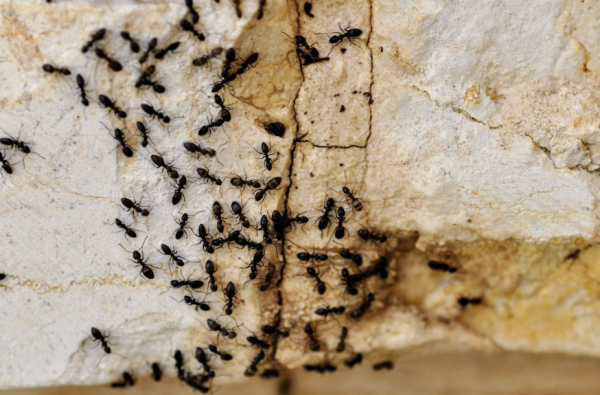
Once you understand how ants are getting inside, seal those potential entry points. Check gaps around doors, windows, utility lines, vents, pipes and foundation areas. Even small openings can give ants an easy route into your home.
Next, examine the points of contact of indoor and outdoor surfaces. Repair broken screens and apply appropriate caulking or sealant to small cracks. Trimming vegetation away from exterior walls can also reduce the pathways ants may use to reach your home.
Nevertheless, gap sealing is most effective when used in conjunction with other control strategies. “However, ants may continue searching for other entry points if a colony is already established nearby. Entry-point sealing should thus be a part of a bigger prevention program.
3. Use Targeted Ant Baits and Treatments
Ant baits are potentially helpful since worker ants might bring bait to the colony. This is what distinguishes the baiting process as opposed to merely killing the ants that come on the countertops or floors. The appropriate product and placement vary according to the ant species, level of infestation, and location.
Do not randomly put treatments anywhere. Rather, locate active trails, probable entry points, and locations where ants always seem to be. Always adhere to product instructions, particularly when using around children and pets.
In case of bigger or frequent infestations, professional treatment can be more viable. A tailored intervention can be used to integrate the results of inspection with suitable treatment approaches. This assists in correcting the cause and minimizing the impact on your premises. The broader pest-control strategy also includes targeted treatment plans in case of common pests like ants.
4. Remove Food and Water Sources
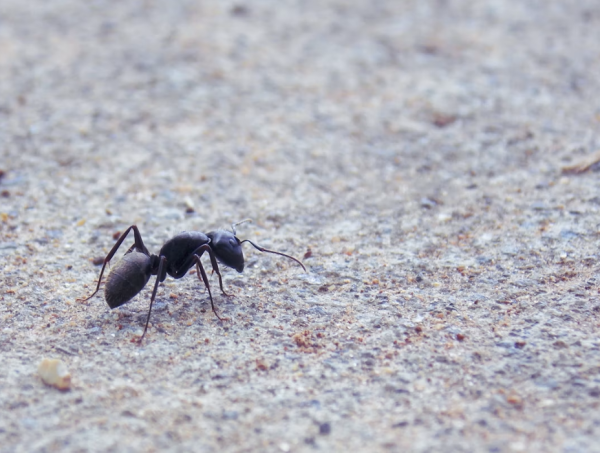
Ants often enter properties when they find easy access to food, water, or shelter. Start by keeping food in sealed containers. Clean crumbs, spills, and sticky surfaces as soon as possible. Empty rubbish bins regularly and clean areas where pets eat. These simple steps can reduce food sources that attract ants indoors.
Water can also encourage ant activity. Check for leaking taps, pipes, and appliances around your home. Repair leaks quickly and avoid leaving standing water near the property. Outside, inspect areas where irrigation or poor drainage keeps the soil damp.
Clutter can provide ants with additional shelter. Remove piles of leaves, wood, cardboard, and other materials near walls or entry points.
Keep outdoor areas tidy and avoid placing stored items directly against your home. Together, these measures can make your property less suitable for ants and help reduce repeated activity.
5. Schedule Professional Ant Control Services
DIY steps may help with minor activity, but recurring infestations may require a professional inspection and treatment plan. Professional assistance may be particularly useful when ants continue appearing despite cleaning, sealing, or using store-bought treatments.
A professional can inspect the property, identify likely entry and nesting areas, and select treatment methods based on the situation. Regular monitoring can also help detect renewed activity before it becomes a larger problem. This approach is useful when you want to address current activity while also improving long-term prevention.
Professional service can also be valuable when ants are difficult to locate or when an infestation extends beyond easily accessible areas. Instead of repeatedly treating visible trails, you can focus on finding and addressing the conditions supporting the colony.
Conclusion
Effective ant control depends on more than eliminating the ants you can see. Start by locating trails and nesting areas, then seal possible entry points around your property.
At the same time, reduce accessible food, moisture, and shelter that can attract ants. Targeted baits or treatments can address active infestations, while professional inspections may help when the problem keeps returning.
By combining immediate control with preventive measures, you can reduce recurring activity and make your property less inviting to ants. A consistent approach also makes it easier to spot new activity before it develops into a larger infestation.
Comments

Powered by RoundtableAn AI/DeFi-powered Enterprise Media Operating System. Learn more at Roundtable.io.© Roundtable 2026. By using this site you agree to the Terms of Use and Privacy Policy