
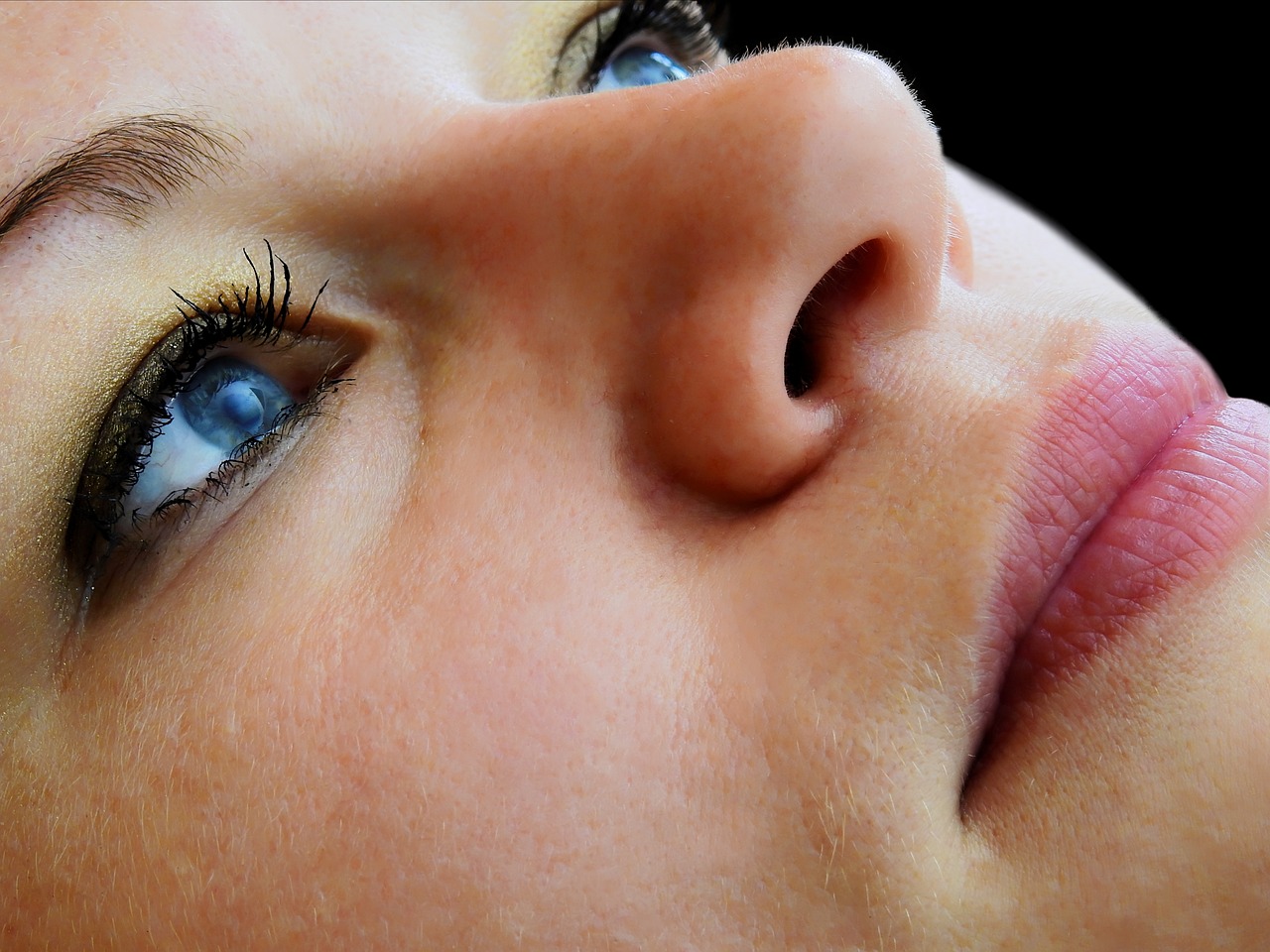


Anatomy of the Nose
Jan 7, 2025 8:00 AM
Updated Jan 9, 2025 11:24 PM
You might wonder if rhinoplasty can impact more than your nose—specifically, your teeth. Understanding how nasal surgery may affect your oral health can help you make informed decisions and prepare for the procedure.
Your nose and teeth are more connected than you might think. The upper jaw, or maxilla, plays a crucial role in anchoring your teeth and supporting the structure of your nose. The nasal septum, a key structure in your nose, also contributes to overall facial symmetry and indirectly impacts oral health. This anatomical proximity means that changes to your nose might influence the surrounding structures, including your teeth.
Potential Impacts of Rhinoplasty on Oral Health
Turkey nose job involves manipulating the nasal structures surgically, which can indirectly affect the surrounding areas of the face, including the oral cavity. Although the primary focus of the surgery is the nose, the interconnectedness of facial anatomy means that some changes or temporary side effects may extend to the teeth and gums.
Pressure on the Maxilla (Upper Jaw):
Surgeons may apply pressure to the maxilla during the procedure to adjust the nasal bones or cartilage. This pressure, while necessary to reshape the nose, can sometimes result in a sensation of tightness or discomfort in the upper jaw, which houses your upper teeth. This discomfort is usually short-lived but can cause a mild aching sensation in your teeth post-surgery.
Swelling and Inflammation:
Post-operative swelling is a natural part of the healing process. It can extend to areas surrounding the nose, including the gums and upper teeth. This swelling may create a sensation of fullness or sensitivity in the teeth, especially in the upper front region.
Related stories
Sinus-Related Impacts:
Sinus pressure may change during rhinoplasty, which involves alterations to the nasal septum or sinus area. This can lead to sensations in the teeth that mimic sinus-related discomfort, such as aching or mild throbbing, particularly in the upper molars close to the sinus cavity.
Temporary Nerve Irritation:
The infraorbital nerve, which runs close to the nasal structures and supplies sensation to the upper lip, cheeks, and front teeth, can sometimes be irritated during surgery. This can lead to temporary numbness, tingling, or a dull tooth sensation. These effects typically resolve within a few weeks as the nerve settles.
Why Some Patients Report Dental Changes Post-Rhinoplasty
While rhinoplasty primarily targets the nose, the proximity of the nasal structures to the oral cavity explains why some patients notice changes in their teeth or oral sensations. These changes are usually minor and temporary, but they can be concerning if unexpected.
Shared Nerve Pathways:
The infraorbital nerve, which provides sensation to both the nose and upper teeth, can be affected during rhinoplasty. When this nerve is temporarily irritated or compressed during surgery, it can lead to altered sensations in the teeth, such as tingling, sensitivity, or a feeling of looseness. Although uncommon, this nerve response can sometimes be mistaken for actual changes in the teeth themselves.
Perceived Dental Misalignment:
Post-operative swelling and tightness in the upper jaw can create a sensation that the bite has changed or that the teeth no longer align as they did before surgery. This perception is typically caused by temporary swelling and does not usually indicate an actual structural change.
Changes in Facial Pressure Dynamics:
Rhinoplasty can subtly alter the pressure distribution in the midface, which may affect how you perceive your bite or the positioning of your teeth. For example, if the nasal base is lifted or the septum is repositioned, it could change how the maxilla feels when biting or chewing. These effects are transient and resolve as the swelling subsides and healing progresses.
Psychological Factors:
Patients who are more aware of facial changes after rhinoplasty may notice sensations or issues in areas they might not have focused on before. This increased focus on the nose and surrounding regions may make normal or temporary sensations in the teeth feel more pronounced.
Effects of Rhinoplasty on Bite and Jaw Alignment
In rare cases, rhinoplasty may influence jaw alignment or bite. If the nasal structure is significantly altered, it can affect how the upper jaw interacts with the lower jaw. Such changes are more likely in cases where structural deformities or extensive bone adjustments are involved.
Long-Term Effects on Dental Health
The long-term effects of rhinoplasty on dental health are rare but can occur in specific cases, especially when extensive structural changes are made to the nasal or maxillary regions.
Jaw Alignment and Bite Issues:
In some instances, rhinoplasty can indirectly influence the alignment of the upper jaw, particularly if significant modifications are made to the nasal base or septum. For example, if the maxilla is altered to change its relationship with the lower jaw, it could result in bite misalignment. While this is uncommon, it may necessitate orthodontic treatment or bite adjustments to correct.
Pressure on Dental Structures:
In rare cases, prolonged or excessive pressure applied to the maxilla during surgery can affect the positioning of the upper teeth. This might lead to slight shifts in tooth alignment or pressure-related wear over time. Such issues are more likely to arise in revision or reconstructive rhinoplasty cases requiring bone grafting or extensive reshaping.
Sensitivity or Persistent Numbness:
Although most nerve-related changes resolve within a few weeks, there are rare cases where sensitivity or numbness in the teeth persists long-term. This can happen if the infraorbital nerve is significantly disturbed during surgery. These effects are usually mild and do not interfere with dental function.
Impact on Existing Dental Work:
Patients with existing orthodontic appliances, such as braces or retainers, may experience minor shifts in how these devices fit following rhinoplasty. For example, changes to the nasal base can slightly alter the maxillary arch, which may necessitate adjustments to orthodontic devices.
Managing Dental Sensitivity or Pain Post-Rhinoplasty
It's not unusual to experience mild dental sensitivity after rhinoplasty. You can manage these symptoms with simple remedies such as:
● Using ice packs to reduce swelling.
● Take over-the-counter pain relievers as directed by your doctor.
● Eating a soft diet to minimize pressure on your teeth.
If the sensitivity persists or worsens, it's important to consult your dentist or oral surgeon to rule out any underlying issues.
While rhinoplasty focuses on enhancing your nose's function or appearance, it can occasionally have minor effects on your teeth. Most of these impacts are temporary and manageable with proper care. By consulting with experienced professionals and addressing your concerns before surgery, you can ensure a smooth recovery and enjoy the benefits of your new look without compromising your oral health.

If you’re considering rhinoplasty or need guidance on managing complications, trust Flymedi to connect you with world-class surgeons and personalized care options. Start your journey to safe and successful rhinoplasty today—visit Flymedi to explore trusted clinics and expert consultations tailored to your needs.
Comments

Powered by RoundtableAn AI/DeFi-powered Enterprise Media Operating System. Learn more at Roundtable.io.© Roundtable 2026. By using this site you agree to the Terms of Use and Privacy Policy