
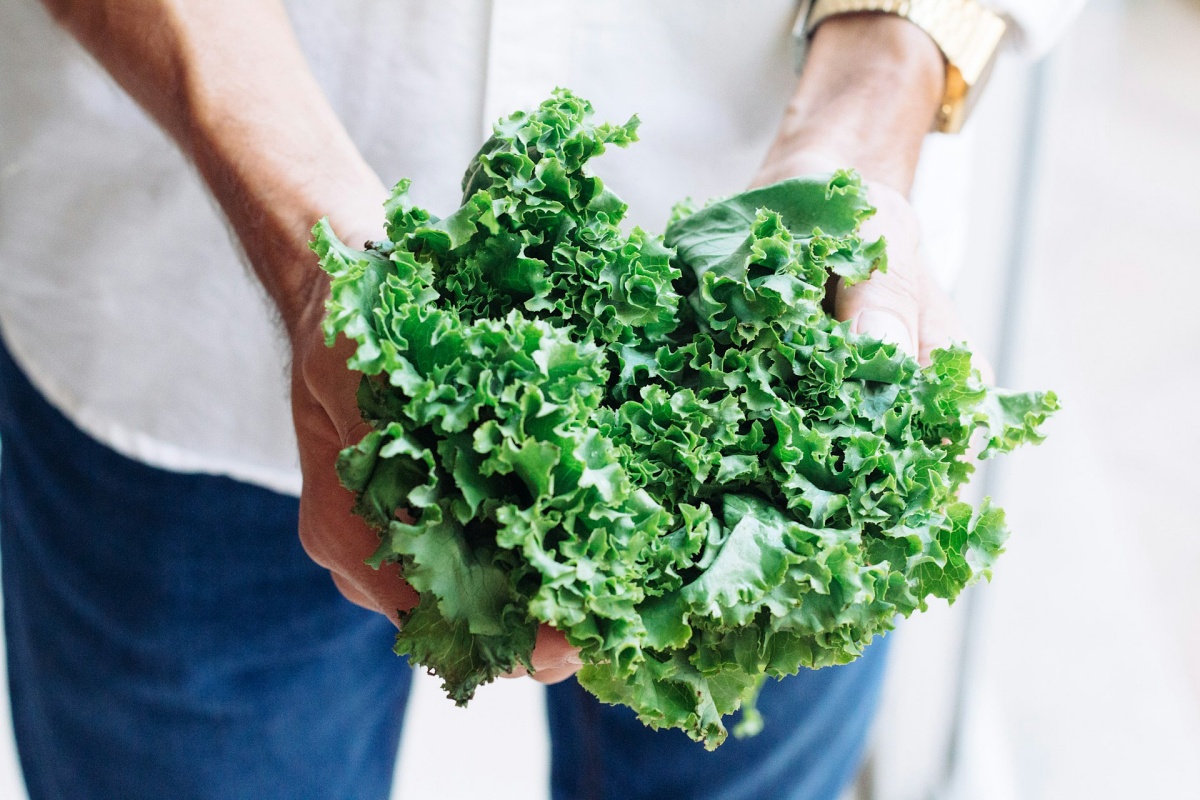
Photo by Adolfo Félix on Unsplash


Vital Ingredients
Jan 20, 2024 8:00 AM
Updated Jan 22, 2024 4:39 PM
Amidst the hectic schedule of classes, assignments, and social engagements, it's easy for students to neglect their diet, often resorting to quick, unhealthy food choices.
Eating healthy is a cornerstone of maintaining not only physical health but also mental alertness, something crucial for students immersed in academic pursuits. However, amidst the hectic schedule of classes, assignments, and social engagements, it's easy for students to neglect their diet, often resorting to quick, unhealthy food choices. A balanced diet plays a pivotal role in ensuring students have the energy and mental acuity needed for their studies and daily activities.
A well-stocked fridge is the first step toward healthier eating habits. By keeping certain key ingredients on hand, students can easily prepare nutritious meals that support their busy lifestyles. These ingredients are chosen for their nutritional value, cost-effectiveness, and ease of preparation, ensuring that even the most time-pressed student can whip up a healthy meal without hassle.
In this article, we will explore five essential ingredients that should find a place in every student's refrigerator. Whether you're living in a dorm room with a mini-fridge or have access to a full kitchen, these ingredients are versatile and fundamental to a balanced diet. Keep reading to discover these vital components, and remember, a well-balanced diet is as important as the study resources you choose, like research proposal writing services, for your academic success.
1. Leafy Greens
Leafy greens, such as spinach and kale, are a powerhouse of nutrients and an essential component of any balanced diet, particularly for students. These greens are rich in vitamins A, C, and K, as well as minerals like iron and calcium, which are vital for maintaining energy levels and supporting overall health. Moreover, their high fiber content aids in digestion and can help keep you full for longer periods, which is ideal for students who have long gaps between meals.
Related stories
Storing leafy greens can be a bit tricky, as they tend to wilt quickly. The key is to keep them dry and cool. Wrap the greens in a paper towel and store them in a reusable container or plastic bag in the crisper section of your fridge. This method helps absorb excess moisture and keeps the greens fresh for a longer period.
Incorporating leafy greens into meals is surprisingly easy. They can be added to smoothies for a nutrient boost without significantly altering the taste. For a quick meal, toss them into a salad with some nuts and a protein source like grilled chicken or tofu. They can also be sautéed with garlic and olive oil for a simple yet delicious side dish. For students, these greens offer a versatile and simple way to boost the nutritional value of their meals without requiring extensive cooking skills or preparation time.
2. Lean Proteins
Lean proteins are a crucial component of a student's diet, providing the essential amino acids needed for muscle repair, hormone production, and overall body function. Sources of lean protein include poultry like chicken and turkey, plant-based options like tofu and legumes, and fish such as tuna or salmon. These protein sources not only support physical health but also aid in maintaining focus and energy levels, which are vital for academic success.
When it comes to storage, most lean proteins can be kept in the refrigerator for a few days. Freezing is an excellent option for longer storage, especially for students who might not cook every day. It's also a good idea to cook proteins in batches and use them throughout the week in different meals for variety and convenience.
Preparing lean proteins doesn't have to be time-consuming or complicated. Chicken breasts can be grilled or baked with simple seasonings and served with vegetables or whole grains. Tofu can be stir-fried with a mix of veggies for a quick and healthy meal. Legumes like lentils or chickpeas are great in soups, salads, or as a filling for wraps. These protein sources are versatile and can be incorporated into numerous quick and easy recipes suitable for a student's busy schedule.
3. Whole Grain
Whole grains are an essential ingredient for students, providing sustained energy, fiber, and important nutrients like B vitamins. Choices like brown rice, quinoa, whole wheat pasta, or oats are not only nutritious but also incredibly versatile. They serve as an excellent base for a variety of dishes, from breakfast porridge to hearty dinner bowls.
Storing whole grains is straightforward as they have a long shelf life when kept in a cool, dry place. Cooking grains in batches at the start of the week can save time, as they can be refrigerated and used in different meals over several days.
Whole grains can be easily incorporated into a student's diet. Oats can be used for a quick breakfast, topped with fruits and nuts. Brown rice or quinoa can be paired with vegetables and a lean protein for a complete meal. Whole wheat pasta can be tossed with tomato sauce and vegetables for a satisfying dinner. These grains are not only filling but also provide the energy students need to power through their studies and daily activities.
4. Fresh Fruits
Fresh fruits are an indispensable part of a student's diet, offering a natural source of vitamins, minerals, and fiber. Easy-to-eat fruits like apples, bananas, oranges, and berries are perfect for busy students. They can be consumed as a quick snack between classes or used to add natural sweetness and nutrients to meals.
Fruits are best stored in the refrigerator to prolong their freshness, except for bananas, which ripen at room temperature. Most fruits don't require much preparation, making them an ideal grab-and-go option for students.
Incorporating fruits into a diet is simple. Apples or bananas can be added to oatmeal or yogurt for breakfast. Berries can be mixed into a salad for a refreshing twist or blended into smoothies. Fruits like oranges and apples are also perfect for a midday snack, providing a natural energy boost without the need for cooking or preparation. For students, fruits offer a convenient and healthy way to satisfy sweet cravings and boost their nutrient intake.
5. Healthy Fats
Healthy fats are essential for brain health, energy, and the absorption of certain vitamins, making them a key component of a student's diet. Foods rich in healthy fats include avocados, nuts, seeds, and olive oil. These sources not only contribute to overall health but also help keep you satiated and focused, which is crucial for long study sessions.
Storing healthy fats is generally straightforward. Nuts and seeds should be kept in a cool, dry place, while avocados and olive oil should be stored in the fridge once opened. These items have a relatively long shelf life, making them ideal for a student's pantry.
Including healthy fats in your diet is easy and delicious. Avocados can be used in salads, sandwiches, or as a topping for eggs. Nuts and seeds are great as a snack or can be added to yogurt and oatmeal for a nutrient boost. Olive oil is perfect for salad dressings or for cooking, adding flavor and health benefits to your meals. For students, these sources of healthy fats are not only beneficial for their health but also add variety and flavor to their meals.
Final Thoughts
Incorporating these five vital ingredients into your diet as a student can make a significant difference in your overall health and academic performance. Just like choosing the best dissertation writing service can elevate your academic work, selecting the right foods can enhance your physical and mental well-being. A balanced diet filled with leafy greens, lean proteins, whole grains, fresh fruits, and healthy fats provides the necessary nutrients to fuel your body and brain, ensuring that you are at your best both in and out of the classroom.

Remember, maintaining a healthy diet doesn't have to be complex or expensive. With these essential ingredients in your fridge, you can easily prepare simple, nutritious meals that fit into your busy student life. Eating well is a crucial step towards not only academic success but also a healthy and balanced lifestyle. Start making these small changes in your diet today, and you'll soon notice the positive impact on your health, energy levels, and academic performance.
Comments

Powered by RoundtableAn AI/DeFi-powered Enterprise Media Operating System. Learn more at Roundtable.io.© Roundtable 2026. By using this site you agree to the Terms of Use and Privacy Policy