


May 31, 2018 1:41 AM
Updated Feb 10, 2022 11:11 PM
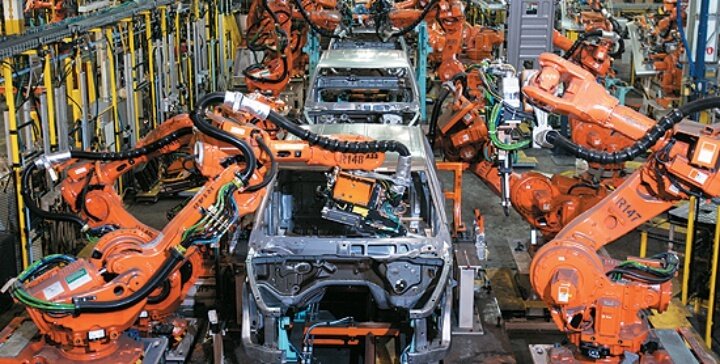
Stephen Jacobson: For those in many manual labor roles, there is certainly reason to expect that machinery and robots can eventually perform much of their work.
The idea of a caricature version of the paranoid and slightly over patriotic human accusing, not immigrants, but robots, of “coming over here, stealing our jobs, drinking our beer and taking our women” may be a thing of the future.
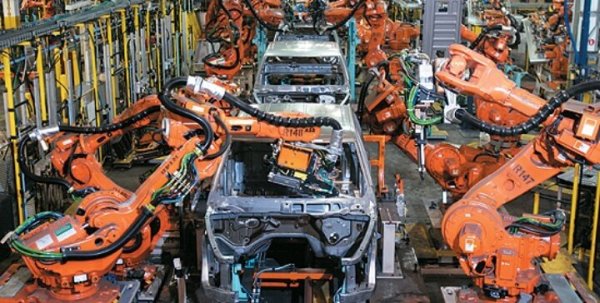
Well, maybe not the stealing our women and drinking our beer part, but who knows? For those in many manual labor roles, there is certainly reason to expect that machinery and robots can eventually perform much of their work. But can a robot capture a beautiful image by camera, like those you would find with Depositphotos? For the average tech lover or technophobe, this is the question. If you want to learn about artificial intelligence, then I would suggest you to take artificial intelligence course from Intellipaat and become an expert in it.
For those in many manual labor roles, there is certainly reason to expect that machinery and robots can eventually perform much of their work.
The Impact of Robots and AI
For those of us who remember watching the first installments of the Terminator movies when they came out, the idea of robots taking over the world was a far stretch. With modern advancements demonstrating the potential powers of AI and Boston Dynamics doing pretty much everything it can to freak people out, “Skynet” seems slightly more of a possibility than it appeared to be in the 80’s and early 90’s.
When it comes to the impact which self-driving cars, robot assistants, and AI companions may have, even some experts believe that there is reason to believe both will be crucial to the economy. A future where robots and AI have effectively pushed human workers out of their job roles and taken their ability to earn away from them is a possibility – at least according to a number of experts.
Related stories
A Future Without Human Workers?
A study conducted by the Pew Research Center found that 48% of respondents from a pool of 1,896 experts “envisioned” a stark future. To be more expansive, one in which “robots and digital agents have displaced” a “significant” number of blue and white collar workers. The experts were asked:
“Will networked, automated, artificial intelligence (AI) applications and robotic devices have displaced more jobs than they have created by 2025?”
Almost half of the respondents of the survey firmly believe that there is concern regarding income inequality if this is the case. With a sizeable number of the workforce effectively unemployable, this could potentially lead to social disorder and widespread poverty. Not good.
Then, of course, we have the other 52% of respondents who believe that technological advancements will not lead to these problems by 2025. The basis of this group’s shared belief is that “human ingenuity” will create new jobs and ways to make a living. Let us hope that this is the case.
Is Your Job Safe?
That is hard to tell, really. While fast food outlets and grocery stores are introducing more and more automatic ordering points, it looks likely that they will be affected. On the flip side, it would be very difficult to create, mass produce and convince the general population that robotic lawyers, doctors, or even babysitters are a great idea.
It would appear that we humans are heading towards another industrial revolution. If we survived all that came before, surely we can do it again, right?
Stephen Jacobson
Stephen Jacobson is a long-time freelance writer covering a wide variety of topics. In addition to being a writer he’s an avid traveler.
Comments

Powered by RoundtableAn AI/DeFi-powered Enterprise Media Operating System. Learn more at Roundtable.io.© Roundtable 2026. By using this site you agree to the Terms of Use and Privacy Policy