


Jun 23, 2025 7:00 AM
Updated Jun 27, 2025 10:33 PM
Addiction affects millions of Americans every day. Finding the right treatment center can make all the difference in recovery. Rebirth Recovery Center offers specialized programs for various substance addictions. Their approach focuses on healing the whole person, not just treating symptoms.
Understanding Different Types of Addiction
Substance abuse takes many forms. Each addiction requires specific treatment methods. The team at this NJ rehabunderstands these differences. They create personalized treatment plans for every patient.
1. Alcohol Addiction Treatment
Alcohol dependency affects people from all walks of life. Many struggle with daily drinking habits. Others binge drink on weekends. Both patterns can lead to serious health problems.
The center provides medically supervised detox programs. This helps patients safely withdraw from alcohol. Medical staff monitor vital signs around the clock. They also manage withdrawal symptoms with proper medications.
After detox, patients enter therapy programs. Individual counseling helps identify drinking triggers. Group sessions connect patients with others facing similar challenges. Family therapy repairs damaged relationships.
Related stories
2. Drug Addiction Recovery Programs
Illegal drugs create powerful dependencies. Street drugs often contain dangerous chemicals. Users never know what they're actually taking. This makes addiction recovery more complex.
Treatment begins with a comprehensive medical evaluation. Doctors assess physical damage from drug use. Mental health professionals evaluate psychological effects. This information guides the treatment approach.
Behavioral therapy plays a crucial role in recovery. Patients learn healthy coping strategies. They practice saying no to peer pressure. Life skills training prepares them for independent living.
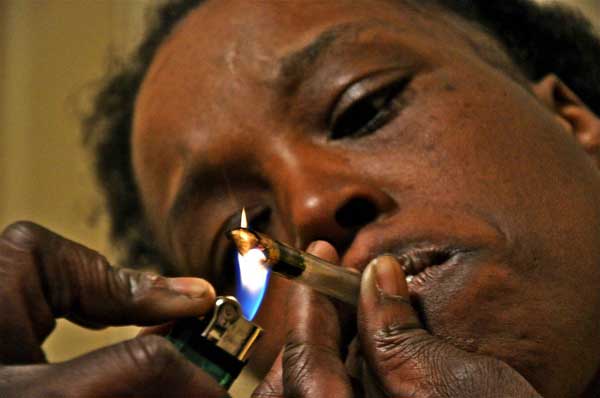
3. Specialized Heroin Addiction Treatment
Heroin creates one of the strongest physical dependencies. Users often need multiple treatment attempts. The withdrawal process can be extremely uncomfortable. Professional medical supervision becomes essential.
Medication-assisted treatment helps reduce cravings. Methadone and buprenorphine ease withdrawal symptoms. These medications allow patients to focus on recovery work. They reduce the risk of relapse during early treatment.
Long-term residential programs work best for heroin addiction. Patients stay at the facility for several months. They attend daily therapy sessions. Structured schedules help rebuild healthy routines.
4. Opioid Addiction Services
Prescription painkillers started many opioid addictions. Patients initially used pills for legitimate medical reasons. Tolerance developed over time. Higher doses became necessary for pain relief.
Treatment addresses both physical dependence and psychological factors. Medical detox manages withdrawal safely. Counseling explores the original pain issues. Alternative pain management techniques replace opioid medications.
Support groups connect patients with others in recovery. Narcotics Anonymous meetings continue after treatment ends. Ongoing support prevents relapse in challenging moments.
5. Cocaine Addiction Treatment Options
Cocaine affects the brain's reward system. Users chase the initial euphoric feeling. Tolerance builds quickly with repeated use. Depression often follows when the drug wears off.
No specific medications treat cocaine withdrawal. Therapy becomes the primary treatment method. Cognitive behavioral therapy changes thought patterns. Patients learn to recognize and avoid triggers.
Exercise programs help restore natural brain chemistry. Physical activity releases endorphins naturally. This reduces cocaine cravings over time. Nutrition counseling supports overall brain health.
Comprehensive Care Approach
Rebirth Recovery Center treats addiction as a medical condition. Their staff includes doctors, nurses, and therapists. Everyone works together on treatment plans. This team approach improves success rates.
Treatment doesn't end when patients leave the facility. Aftercare programs provide ongoing support. Alum groups offer peer connections. Case managers help with housing and employment needs.

Recovery takes time and dedication. The right treatment center provides hope and healing. Professional help makes the journey safer and more successful.
Comments

Powered by RoundtableAn AI/DeFi-powered Enterprise Media Operating System. Learn more at Roundtable.io.© Roundtable 2026. By using this site you agree to the Terms of Use and Privacy Policy