
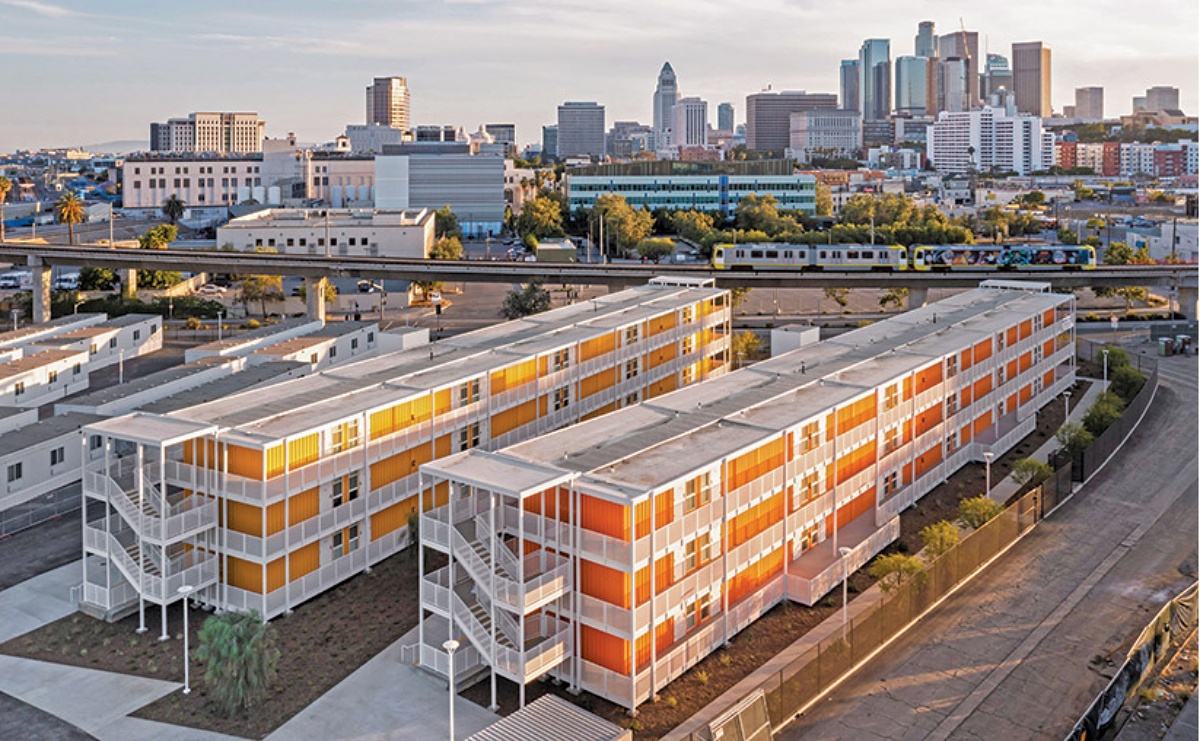
Photo: Paul Vu for ENRCALIFORNIA


May 5, 2024 7:00 AM
Updated May 7, 2024 5:55 PM
Extreme weather resilience plans including integrated renewable microgrids, redundant emergency supplies and weatherproof facilities uphold community commitments amid climate change.
As carbon emissions accumulate exacerbating global warming, unpredictable extreme weather events displace vulnerable populations while destroying household goods increasingly. For instance fierce flash flooding could damage communities lacking sturdy stormwater infrastructure mitigating torrential seasonal rainfall absorption capacities surpassing historical tolerances. We’ll uncover storage innovations safeguarding high-value investments for future-proofed protection as climate changes progress alarmingly.
Withstand Extreme Weather Onslaughts
As climate models predict natural disasters like flooding, fires or extreme heat recurring devastating exposed regions more frequently, storage facilities like IStorage self storage units in Brandon rebase engineering around fortified resiliency confirms structural designer Alicia Thompson: “We no longer reference outdated weather data sets assuming relative local stability historically when advising reinforced foundations, durable external sheathing materials selections and site drainage capacities planning for what communities endured through the last worst-case super storm once per decade previously.”
Expect unprecedented challenges. Verify site proactive protections surpass comfortable complacency trusting outdated precedents perilously.
Note: Archeologists recently discovered ancient underground Welsh hillside storage cellars dated from old stone agricultural villages once thriving 700 years ago until abrupt climate cooling shifts and flooding forced regional abandonment as crops kept failing.
Related stories
Adapt Cooling for Rising Temperatures
Maintaining climate control battling external extremes mandates upgraded systems like:
- Enhanced insulation restricting uncontrolled conductive heat transfers
- Reflective roof sheeting repelling solar gain
- High-efficiency HVAC components replacing dated ones
- Dense shade canopy trees planted strategically near buildings
- Onsite stormwater harvesting/retention irrigating landscapes
The Department of Energy provides commercial business energy conservation overviews assisting savings. As scientist Neil Simmons warns, "Spiking seasonal weather variability demands proactive mechanical preparations rather than reactively scrambling when equipment suddenly cannot offset oppressive microclimate extremes neverbefore encountered locally throughout assumed operational lifespans." Get ahead unavoidable intensification.
Transition Towards Renewable Energy
As climate changes strain overburdened electrical grids through exacerbated peak demand periods, storage facilities will increasing integrate microgrid solar/battery backup systems streamlining localized renewable energy self-sufficiency predicts industry leader Neil Simmons: "When widespread outages paralyze entire utility distributions sectors during inevitable disasters ahead, continuity plans harnessing onsite generation traversing uncertainties makes operational sense reassuring customers relying facilities remain staffed protecting precious goods despite whatever turmoil brews externally."
A 2022 Princeton ecological policy study noted distributed solar energy networks demonstrate substantially enhanced community-based resilience compared to centralized fossil fuel plants vulnerable failing singular nodes during disasters. Think microscopically maximizing nimble independence so others depending you needn't fear through inevitable outages bound ahead as aging infrastructure frays overstressed.
Withstand Inundation Through Resilient Waterproofing
Safeguard vulnerable ground floor possessions from unprecedented recent and future deluge threats by:
- Waterproof sealing exterior sidewalls/sills using ethylene propylene diene rubber protective sheaths
- Overflow retaining peripheral drainage trenches preventing water from accumulating foundation footprints
- Deploying portable water extraction pumps evacuating any seepage infiltrating interiors if severe precipitation events hit unexpectedly
When climate instability spawns flooding drawing increasing concerns, find moving companies detailing pre-disaster relocations easing anxieties stranded witnessing previous perfectly ordinary places later immersed unexpectedly as formerly “once in lifetime” outlier storms strike repeatedly defying probabilities predicted falsely touting reassuring safety earlier. Verify resiliency retrofits reflect projected intensities realistically ahead rather than ignoring increasingly apparent “new normal” patterns.
Prepare for Emergency Responses
When extreme weather events disable transportation corridors delaying assistance reachability for stranded communities isolating facilities temporarily, proactively preparing mobile resources transported assisting neighboring locales preserves customer goodwill despite external chaos explains emergency readiness coordinator Albert Kipgen: “We stage disaster prep trailers containing essentials like portable shelters, emergency power generators, drone surveillance equipment, shortwave radios, satellite phones and basic medical kits quickly deployed assisting local response efforts containing incipient issues until additional resources arrive restoring order.”
He advises administrators “preplan exactly calibrated calculated essentials realistically survivable scaling three days without grid replenishments based on maximum area populations possibly impacted to remain self sustainable if unprecedented lockdowns occur before agencies complete shocked disaster triage assessments overwhelmed initially.” Stay ready reliably leading others positively.
Stat Box:
Average Disaster Response Delay
Category 1 Storm: 48 hours +/- 24 hours
Category 2 Storm: 72 hours +/- 48 hours
Category 3+ Storm: 120+ hours
Step forward proactively!
Build a Climate Resilient Future

As climate changes accelerate, creatively engineering storage resiliency through renewable energy integration, adaptive HVAC improvements, redundant emergency preparations and weather-proof facility fortification upholds community commitments when traditional infrastructures falter amid conditions exceeding designed capacities perilously.
Comments

Powered by RoundtableAn AI/DeFi-powered Enterprise Media Operating System. Learn more at Roundtable.io.© Roundtable 2026. By using this site you agree to the Terms of Use and Privacy Policy