
Photo Credit: Bianca Van Dijk


Accident Injuries Impact Mental Health
Nov 7, 2024 8:00 AM
Updated Nov 9, 2024 10:20 PM
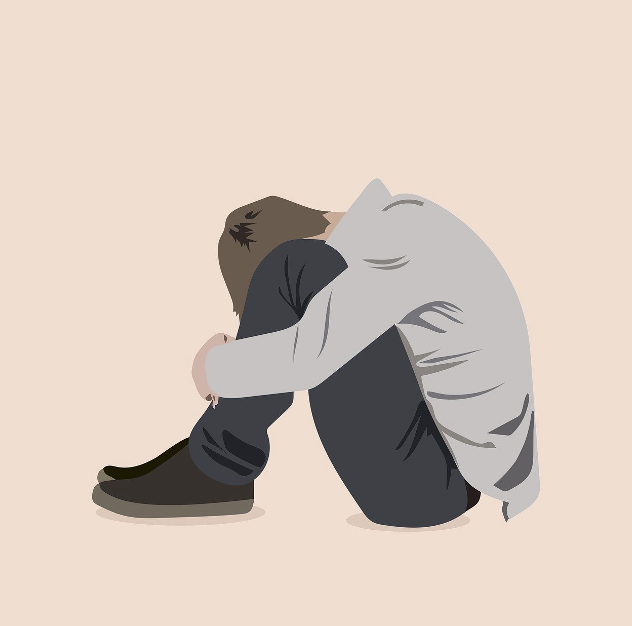
The psychological trauma stemming from a personal injury accident is often underestimated. Victims may experience a range of psychological symptoms.
For many years, the focus in personal injury cases was primarily on the physical injuries sustained by accident victims. Broken bones, lacerations, and internal injuries were the main concerns. However, there's a growing recognition that the emotional impact of these accidents is just as significant and often long-lasting.
The Mental Toll of Accidents
The psychological trauma stemming from a personal injury accident is often underestimated. Victims may experience a range of psychological symptoms, including:
- Post-Traumatic Stress Disorder (PTSD): Flashbacks, nightmares, hypervigilance, and avoidance are common symptoms of PTSD in accident victims.
- Depression: Feelings of sadness, hopelessness, and worthlessness can develop in the aftermath of an accident.
- Anxiety: Worry, fear, and panic attacks are also prevalent among accident survivors.
- Cognitive Impairment: Difficulty concentrating, remembering details, and making decisions can result from brain injuries sustained in accidents.
These mental health challenges can significantly impact a victim's quality of life, relationships, and ability to return to work or daily activities. The emotional distress can be as debilitating as the physical pain, and in some cases, even more so.
Related stories
Courts Are Recognizing the Mental Impact
Fortunately, there's a growing awareness among courts and personal injury lawyers of the link between physical injury and mental health. This has led to a greater emphasis on non-economic damages in personal injury cases. Non-economic damages compensate victims for the intangible losses they suffer, such as pain and suffering, emotional distress, loss of enjoyment of life, and loss of partner.
While it can be challenging to quantify these damages, courts are increasingly recognizing their importance and awarding substantial amounts to compensate victims for their mental anguish. This is a positive development, as it ensures that victims receive fair compensation for the full extent of their injuries.
Proving Emotional Impact in Personal Injury Cases
Attorney J.J. Dominguez of The Dominguez Firm explains. “Proving the emotional impact of psychological injuries in personal injury cases can be complex, but it's essential for securing fair compensation. Doing so requires an experienced personal injury attorney by your side. Here are some common methods they use.”
Expert Testimony
- Mental Health Professionals: Psychiatrists, psychologists, and therapists can provide expert opinions on the severity and lasting effects of a victim's psychological injuries. They can diagnose conditions like PTSD, depression, or anxiety and explain how these conditions impact the victim's daily life.
- Other Experts: In some cases, experts in related fields, such as neuropsychology or occupational therapy, can provide valuable insights into the connection between physical injuries and psychological trauma.
Medical Records
- Mental Health Treatment: Documentation of therapy sessions, medication prescriptions, and hospitalizations can demonstrate the extent of the victim's psychological suffering and the ongoing treatment they require.
- Physical Injuries: Medical records related to the physical injuries can help establish a link between the accident and the development of psychological symptoms.
Personal Statements and Diaries
- First-Hand Accounts: Written statements from the victim describing their experiences, emotions, and challenges can provide a powerful narrative of their suffering.
- Journals or Diaries: Personal journals or diaries can offer a detailed record of the victim's thoughts and feelings over time.
Witness Testimony
- Friends and Family: Friends and family members who have observed the victim can provide valuable testimony about how the injuries have disrupted their lives emotionally.
- Coworkers: If the victim's employment has been affected by their injuries, coworkers may be able to testify about changes in their performance or behavior.

It's important to note that proving emotional distress can be challenging, as it is subjective and often difficult to quantify. A skilled personal injury attorney can help gather the necessary evidence and present a compelling case to the court or insurance company.
Comments

Powered by RoundtableAn AI/DeFi-powered Enterprise Media Operating System. Learn more at Roundtable.io.© Roundtable 2026. By using this site you agree to the Terms of Use and Privacy Policy