


3D Laser Scanning
Dec 23, 2024 8:00 AM
Updated Dec 25, 2024 9:20 PM
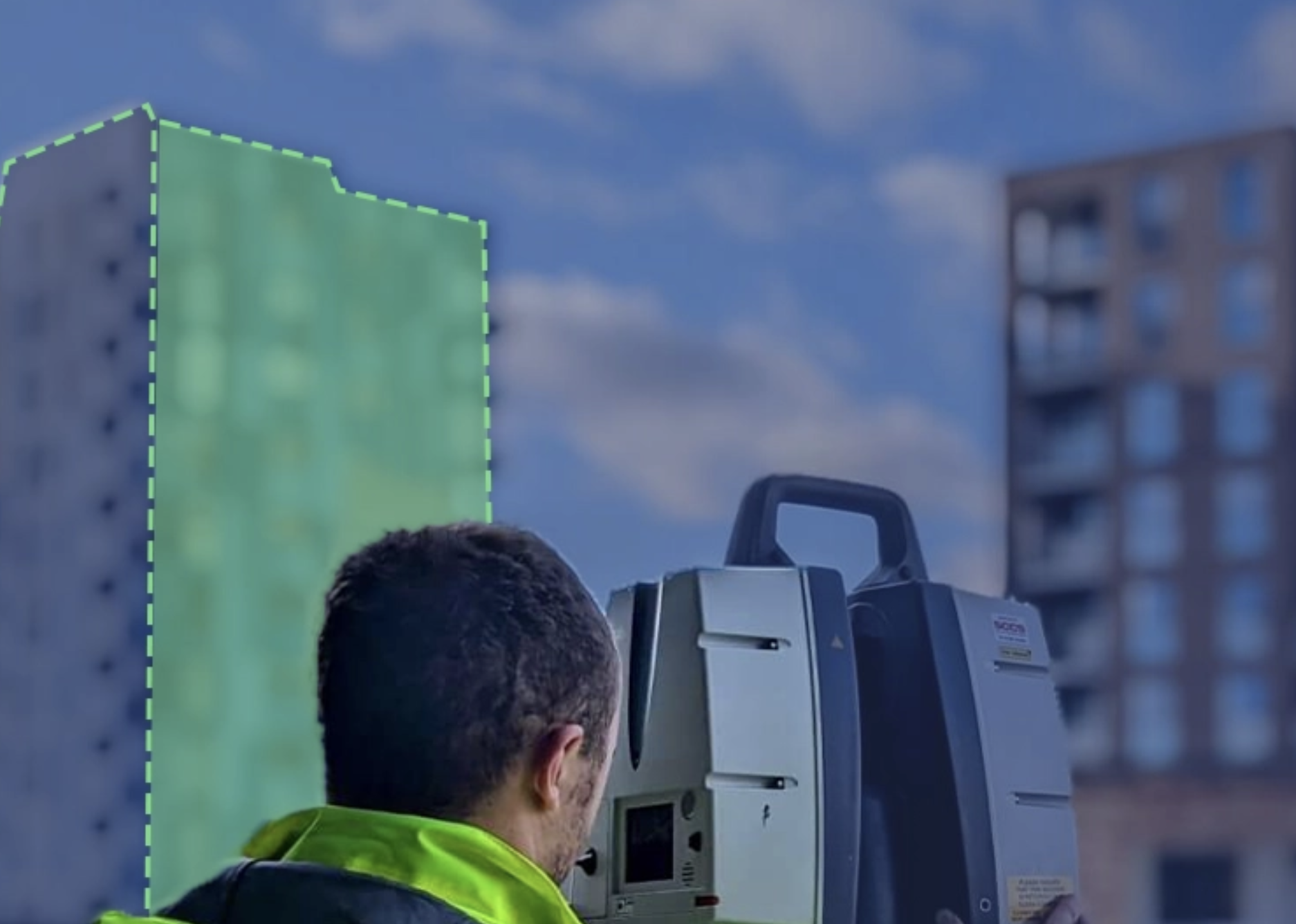
3D laser scanning is an advanced method for capturing and digitally representing the geometry of physical objects and environments in three dimensions.
Like technology, the building industry is evolving rapidly. This transformation is driven by digitizing and integrating advanced technologies into construction services. In the modern Architecture, Engineering, and Construction (AEC) sector, three critical elements are essential for delivering top-quality services:
- Accuracy
- Efficiency
- Precision
Technologies that fulfill these requirements have become industry benchmarks, with 3D laser scanning standing out as a game-changer.
What is 3D Laser Scanning?
Related stories
3D laser scanning is an advanced method for capturing and digitally representing the geometry of physical objects and environments in three dimensions. A laser scanner emits a laser beam to measure distances to the surfaces of objects, creating a "point cloud" of millions of data points. This point cloud forms a highly detailed, three-dimensional representation of the scanned object or area.
Partnering with a reliable provider of 3D laser scanning services is crucial for accurate spatial data collection. Contact Survey2Plan to leverage this advanced technology for your projects.
The Growing Role of 3D Laser Scanning in Construction
3D laser scanning is increasingly valued in the construction industry for enhancing precision, efficiency, and safety. It is widely used for:
- Safety: Identifying potential hazards and improving site safety protocols.
- Quality Assurance: Ensuring that project designs align with specifications.
- Inspection: Verifying the accuracy of construction components.
- As-Built Documentation: Providing detailed records of completed structures.
By offering accurate as-built documentation, 3D laser scanning reduces errors and omissions, saves time and costs, and minimizes the risk of accidents on construction sites. Its adoption continues to grow as the technology becomes more affordable and accessible.
Application of Laser Scanning in Building Surveying
Laser scanning technology has many applications in building surveying. Here is a detailed explanation of the applications of laser scanning:
As-Built Documentation
Laser scanning is a common method for producing precise as-built documentation of existing building structures. It offers thorough raw point cloud data of the building's current condition by taking precise on-site data and reality captures of the structure, including both exterior and interior aspects.
After that, this data is converted into thorough digital copies of the building. This as-built documentation ensures that new designs match the current building geometry properly and is a useful reference for future building endeavors such as extensions, renovations, or maintenance projects.
Structural Analysis and Assessment
Surveyors can use laser scanning to accurately measure and analyse building structural elements like walls, beams, columns, and foundations. Architects and engineers can evaluate the current building's structural soundness by comparing scanned data with structural plans or models.
This can assist in locating possible damage, deformations, or safety risks.
Renovation and Retrofitting
Laser scanning offers precise measurements of the building's current components and comprehensive as-built data, which benefits retrofitting and remodelling projects. Using this data, designers, and architects can create restoration plans, illustrate ideas, and determine whether suggested modifications are feasible.
It also helps identify conflicts and clashes between new and existing features, enabling adjustments to be made early in the design phase and saving expensive rework during construction.
Historical Preservation
Laser scanning strongly depends on the preservation of historical structures and monuments and the protection of cultural resources. It creates digital versions of these architectural landmarks.
These allow historians, architects, environmentalists, and others to examine, record, and track the state of these historic structures in real-time. This contributes to the preservation of culture and heritage for coming generations.
Facilities Management
Laser scanning supports adequate facilities management by providing accurate and up-to-date information about building assets and infrastructure. Using this information, facility managers can compile a thorough inventory of building systems, utilities, equipment, etc.
This facilitates asset tracking, frequent repairs, and effective maintenance. Laser scanners' precise floor area measurements make space planning and optimization easier.
Construction Monitoring and Quality Control
Laser scanning can be used for quality control and construction monitoring. Project managers can periodically scan the construction site to compare the as-built condition with the design intent.
Additionally, it assists them in spotting deviations and ensuring that building operations are in line with the specifications. It also assists in identifying mistakes early in the building process, reduces rework, and guarantees the project's effectiveness and quality.
What are the Benefits of Laser Scanning in Building Surveys?
Building surveys can benefit greatly from 3D laser scanning's high speed and precision. A few of them are mentioned below.
High Precision
The structure and its components are precisely measured and positioned using laser scanning during building surveys. Examples include architectural elements, structural pieces, and elaborate architectural embellishments.
Cutting-edge laser scanners, such as the Leica RTC 360, can precisely collect as-built data up to 1mm. Thanks to this degree of accuracy, the resulting documentation, which takes the form of 2D drawings and 3D models, is guaranteed to precisely depict the actual built environment.
Comprehensive Data Capture
Millions of data points are captured by laser scanning every second, producing a rather detailed point cloud of data that faithfully depicts the geometry of the building's exterior and interior elements. This extensive data collection allows the building's state to be thoroughly analysed and visualised. This makes it easier for homeowners, purchasers, and real estate brokers to plan renovations efficiently and conduct structural evaluations to verify regulatory compliance.
Efficiency and Time Savings
In the past, surveying techniques required manual data collection and measurement, which did not guarantee as much accuracy as laser scanning. Laser scanning significantly reduces surveying time and labour expenses compared to conventional surveying techniques.
Compared to traditional approaches, a single scan can gather a large amount of data in a fraction of the time. This allows surveyors to oversee projects more effectively without impeding the schedule.
Remote Data Collection
One of its main advantages is accessing laser scanning technology remotely. Laser scanning technology makes remote data collection possible for surveyors. As a result, less physical access is required to dangerous or small areas, improving safety while conducting the survey.
It makes complicated building elements like rooftops, high ceilings, and cramped places more accessible while lowering the possibility of mishaps and injuries related to on-site data collection.
If you're looking for comprehensive measured building survey services, explore here.
Conclusion

3D laser scanning has revolutionized modern building surveys, offering unparalleled precision, efficiency, and safety. Its ability to capture detailed data and create accurate digital representations benefits as-built documentation, structural analysis, renovations, historical preservation, and facilities management. As technology becomes more accessible, 3D laser scanning continues to redefine the standards of accuracy and efficiency in the AEC industry.
For tailored solutions and expert services, contact Survey2Plan to discover how 3D laser scanning can transform your projects.
Comments

Powered by RoundtableAn AI/DeFi-powered Enterprise Media Operating System. Learn more at Roundtable.io.© Roundtable 2026. By using this site you agree to the Terms of Use and Privacy Policy