


Jun 15, 2026 7:00 AM
Updated Jun 18, 2026 8:22 PM
A reliable PoS terminal helps businesses bring speed, control and visibility into everyday payment operations.
Managing payments is no longer limited to accepting cards at the counter. Businesses now handle UPI, wallets, cards, contactless payments, refunds, settlements and reconciliation across busy operating hours. When payment volumes rise, even small delays can affect customer experience and staff efficiency.
A reliable PoS terminal helps businesses bring speed, control and visibility into everyday payment operations. It can support faster checkout, reduce manual effort and make payment tracking easier for owners and finance teams.
Let’s look at seven important features of PoS terminals that help businesses manage payments better.
Key PoS terminal features that improve payment management
The right payment device should do more than process transactions. It should help businesses accept more payment modes, reduce checkout delays, track settlements, protect customer data and connect payment activity with daily operations.
Related stories
- Multiple payment mode acceptance
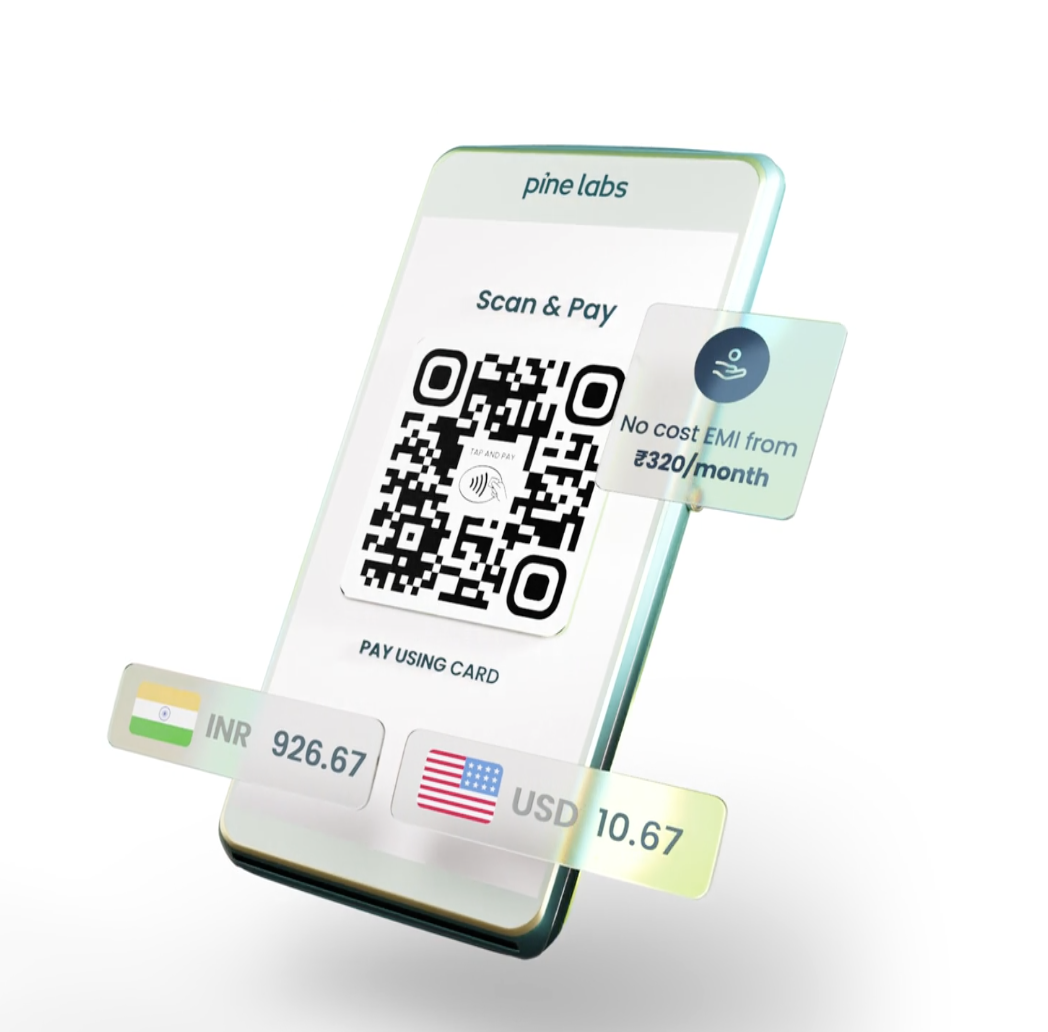
Customers expect choice when they pay. Some prefer debit or credit cards, while others use UPI, mobile wallets or tap-and-pay options. A modern PoS terminal should support multiple payment modes through one device.
This helps businesses avoid separate systems for different payment methods. It also makes checkout faster because staff can process different payment types from the same counter.
For busy retail stores, restaurants, clinics, salons and service businesses, this flexibility can reduce friction and improve customer convenience.
- Fast and stable transaction processing
Payment speed matters during peak hours. A slow device can create queues, frustrate customers and put pressure on staff. A good PoS terminal should process payments quickly and maintain stable connectivity.
Businesses should look for devices that support Wi-Fi, SIM or Ethernet connectivity. This helps transactions continue smoothly even when one network option is weak.
Fast processing becomes especially important during festive sales, lunch hours, weekend rush and large billing volumes.
- Real-time transaction visibility
Payment visibility helps businesses understand what is happening at the counter. A smart PoS terminal should give access to transaction records, payment status, refunds and failed payment details.
This helps owners and finance teams track collections with better accuracy. It also reduces confusion when customers ask about payment confirmation or refund status.
Real-time visibility can support faster decision-making, especially for businesses managing multiple counters or branches.
- Easy settlement tracking
Settlements are a major part of payment management. Businesses need to know when money will reach their bank account and how each payment is recorded.
A reliable PoS terminal should support clear settlement reporting. It should help teams match transactions with bank credits, refunds and daily sales records.
This reduces manual checking and improves financial control. For high-volume businesses, clear settlement tracking can save time during reconciliation and month-end reviews.
- Secure payment handling
Customers trust businesses with sensitive payment information. That makes security an essential feature in any payment device. A modern PoS terminal should support encrypted transactions, secure PIN entry and compliant payment processing.
Security features help protect customer data and reduce the risk of payment fraud. They also give businesses more confidence while handling large transaction volumes. A secure payment experience can build trust without slowing down checkout.
- Simple interface for staff
A payment device should be easy for staff to use. If the interface is confusing, billing errors and checkout delays can increase. A good PoS terminal should have clear prompts, simple menus and a smooth payment flow.
Staff should be able to accept payments, cancel transactions, print receipts and manage basic issues without constant supervision.
This is useful for businesses that hire new staff, manage multiple shifts or operate during seasonal demand periods.
- Integration with business systems
Many businesses use billing software, inventory tools, accounting systems or customer management platforms. A connected PoS terminal can help reduce duplicate work by integrating payment data with these systems.
This can improve accuracy across billing, inventory updates, reporting and reconciliation. It also helps owners view sales and payment data from one place.
For growing businesses, integration can make operations more organised and easier to scale.
Choose a smarter way to manage everyday payments
The right payment device can make daily operations faster, safer and easier to control. A business should look beyond hardware and assess speed, security, payment modes, settlement tracking, reporting, staff usability and integration support.
Before choosing a PoS terminal, test how it performs during busy hours and check how clearly it supports payment visibility. Payment solution providers like Pine Labs can help businesses create smoother checkout experiences while improving transaction management.
A well-chosen device can help your team reduce delays, serve customers better and manage payments with greater confidence. For more information, visit https://www.pinelabs.com/.
Comments

Powered by RoundtableAn AI/DeFi-powered Enterprise Media Operating System. Learn more at Roundtable.io.© Roundtable 2026. By using this site you agree to the Terms of Use and Privacy Policy