
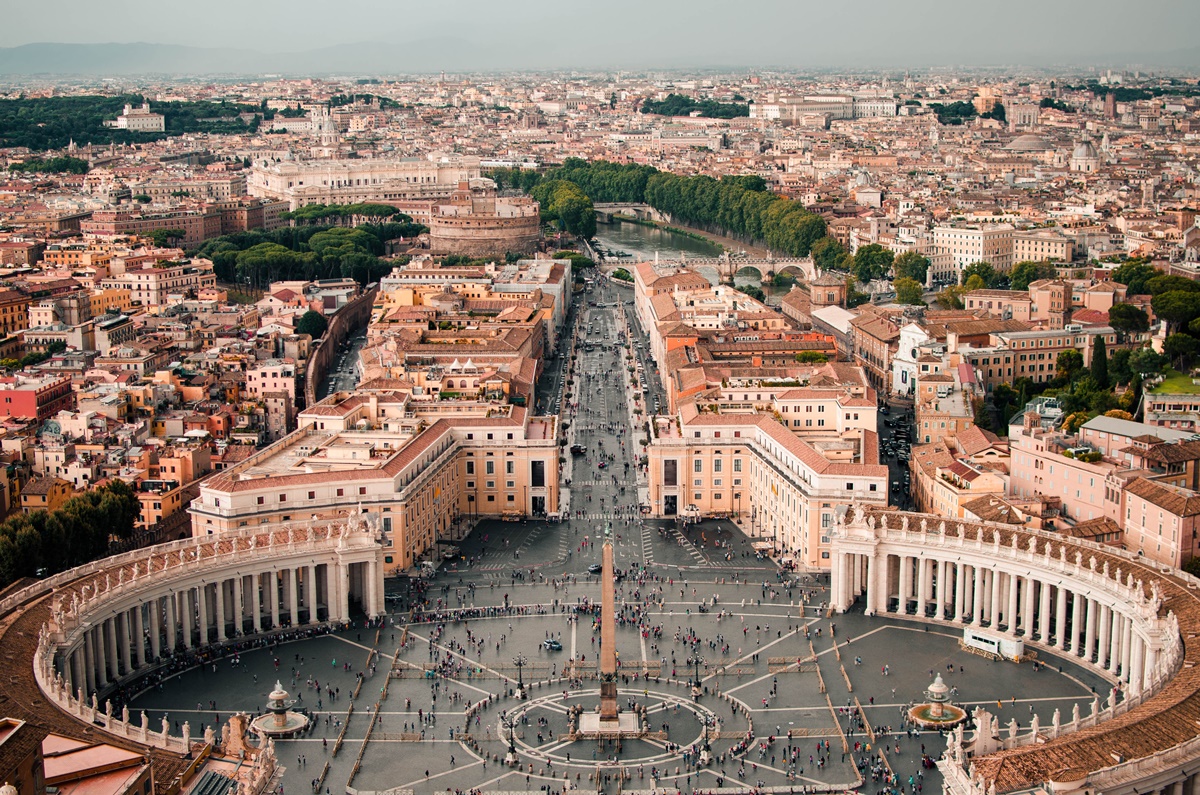


Vatican City
Oct 21, 2023 10:00 AM
For a church that moves at the rate of constipation concerning change, transparency, and accountability, this synod gathering is structured to have lots of firsts
The Super Bowl of the Catholic Church - General Assembly of the Synod of Bishops, commonly known as the Synod on Synodality - has Rome abuzz. For three weeks, from October 4-29, this 4th-century tradition dating back to the beginning of Christianity has brought Catholics from around the world to Rome to discuss a range of topics confronting the present-day Church as it prepares to govern itself in the future.
For a church that moves at the rate of constipation concerning change, transparency, and accountability, this synod gathering is structured to have lots of firsts, a pivotal moment, if successful, that will be remembered as Pope Francis’s legacy. Bishops, priests, religious and lay persons have helped set the agenda for the future, where voting members are not just bishops, and of the 450 members, approximately 378 are voting members, and 50 will be women. Women’s ordination, women deacons and priests, LGBTQ+ inclusion, and ordination of married men are a few non-traditional topics on the docket for discussion.
The pontiff’s opening and welcoming remarks to the general assembly suggest a church on the precipice of change, readying itself for restorative practices by listening to the voices of those often marginalized or excluded.
On October 3, the eve of the Synod meeting, Pope Francis sent shockwaves throughout the conference in his homily implying an openness to blessing same-sex unions, with caveats stating they are not equivalent to heterosexual marriages and should be decided on a case-by-case basis.
Related stories
When Francis was asked by several of his cardinals to clarify his position on the matter in relation to Church doctrine, Francis unequivocally stated, “We cannot be judges who only deny, reject, and exclude.”
While many will contest the explicit double standard in the pontiff’s treatment on the matter, it has nonetheless left many LGBTQ+ Catholics hopeful, countering the Vatican policy - Congregation for the Doctrine of the Faith - that flat-out stated in 2021 the Church couldn’t bless same-sex unions because “God cannot bless sin.”
With the theme of communion, during the second week (Oct. 9-12) of the general assembly, tensions rose about how the Church can extend its welcome to LGBTQ+ parishioners. Due to both anonymity and confidentiality, only those in the closed discussions knew what was said. However, the leaks from the talks “expressed skepticism toward efforts better to integrate LGBTQ Catholics into the church’s ministries.”
The Catholic Church still excludes the LGBTQ+ community from officially receiving any sacraments. Since 2015, DignityUSA, headquartered in Boston, has advocated for “sacramental equality” in the Catholic Church. Holy Communion and funeral rites are not offered to its LGBTQ+ parishioners. From 2020-2023, I thought the Church would change its view. With COVID-19 death rates hitting the LGBTQ+ community globally as hard as other minority communities worldwide, one would think the Church could put aside its homophobia.
On October 13, the synod moved to the theme of “mission,” meaning the role of women in ministry, including the possibility of the ordination of women to the diaconate.
The polarization we see in society is also reflected in the Church. Pope Francis invited the Church body into what he hoped would begin the process of change, healing, and respecting the inviolable dignity of all people. However, the synod might run out of time with one remaining week left.
Comments

Powered by RoundtableAn AI/DeFi-powered Enterprise Media Operating System. Learn more at Roundtable.io.© Roundtable 2026. By using this site you agree to the Terms of Use and Privacy Policy