


Mar 12, 2025 3:36 PM
For families struggling with rising costs of living, Eid Orlando is an added financial burden. Instead of being a day of joy, it becomes a stressful expense for many.
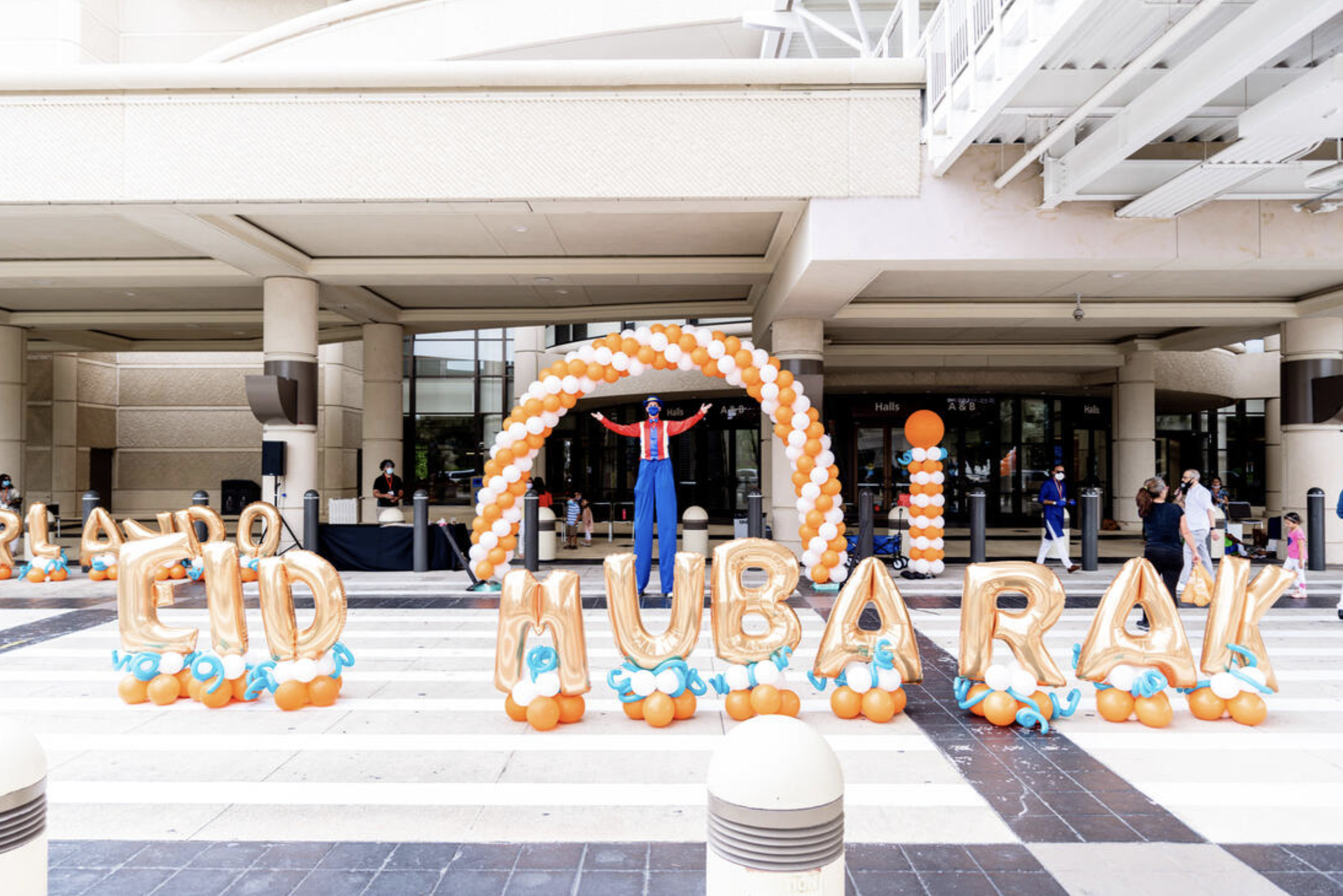
Eid is supposed to be a time of joy, unity, and community, an opportunity for Muslims to gather in celebration, reflect on their faith, and share their blessings with those in need. Yet in Orlando, what should be an inclusive celebration has become a symbol of exclusivity, power, and misplaced priorities.
A few years ago, a group of wealthy Muslim leaders, frustrated with the lack of air conditioning and accommodating female spaces at traditional Eid gatherings, decided to create their own event. Instead of working within the existing community infrastructure to improve conditions for everyone, they launched Eid Orlando, an upscale event at the Orange County Convention Center. This new gathering came with a steep price tag, attendees must pay for parking and admission, making it inaccessible for many working-class and low-income Muslim families.
At first glance, it might seem like a harmless alternative, a choice for those who prefer comfort. But the reality is more complicated. Mosques and community organizations, which previously relied on large Eid gatherings to raise funds for essential services, suddenly found themselves facing a fundraising shortfall. When the wealthiest members of the community diverted their resources to hosting a grand event in a government venue, it created an economic vacuum for the rest of Orlando’s Muslim institutions. The very people who could have led efforts to empower Muslim women within mosque leadership or improve the accessibility of local Eid events instead chose to funnel hundreds of thousands of dollars into an event that benefits the Government of Orange County more than it does Orlando’s Muslim community.
A Costly Celebration, A Burden for Many
For families struggling with rising costs of living, Eid Orlando is an added financial burden. Instead of being a day of joy, it becomes a stressful expense for many. While free tickets are available for those who are in need, this creates a stigma on those requesting. Unlike the traditional Eid prayers held at mosques or open parks, which are free and accessible, Eid Orlando presents a pay-to-pray model. The idea that celebrating Eid in comfort should come at a financial cost contradicts the very essence of the holiday, which emphasizes charity, humility, and communal support.
Related stories
And what about those who truly need support? Orlando, like many cities, has a sizable population of underprivileged Muslim families, including refugees, single mothers, and workers barely making ends meet. Many of these Muslims turn to Christian and other community organizations for their unmet social and economic needs. Imagine what could be done if even a fraction of Eid Orlando’s budget was redirected toward community aid, food security programs, housing support, scholarships for Muslim youth, or job training initiatives. Instead, that money is being pumped into venue rentals and luxury event planning, reinforcing the divide between the elite and the rest of the community.
Millions for a Convention Center, But a Mosque Left Unfinished
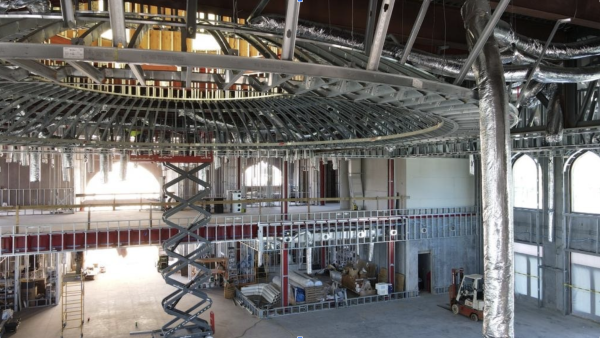
Perhaps the most glaring example of misplaced priorities is the Islamic Center of Orlando (ICO), which, after years of fundraising and construction, will still not be complete this Ramadan. Despite repeated promises and appeals for donations, the mosque remains under construction, delaying the much-needed expansion of community prayer spaces, educational programs, and social services.
How is it that Orlando’s Muslim leadership can pour hundreds of thousands of dollars into a one-day Eid event, but cannot seem to complete a house of worship that serves the community year-round? The ongoing delays at ICO highlight a deep contradiction in how resources are allocated, money flows freely for prestige, but not for sustainability. If the funds spent on renting the Orange County Convention Center for Eid had instead been invested into completing ICO, the community could have a fully operational mosque in time for Ramadan, providing expanded prayer space, classrooms, and community services like weddings and funerals.
The problem isn’t just the delay, it’s what the delay represents. It signals a preference for optics over impact, performance over progress. A polished event at a convention center sends the message that Orlando’s Muslims are part of the mainstream, willing to pay for a seat at the table. But at what cost? When the core religious institutions of the community remain incomplete, it’s clear that the priorities have been set in the wrong place.
From Protesting for Justice to Buying a Seat at the Table
The contradictions of this event become even more glaring when you consider the political landscape of Orlando’s Muslim community. Just months ago, many of the same organizers of Eid Orlando were protesting outside City Hall, demanding that the Orlando City Commission pass a ceasefire resolution. The fight for justice was urgent, the community was mobilized, and there was a clear recognition that Muslim voices needed to be heard.
Yet, when it came time to invest in the community’s future, those same leaders turned around and dumped hundreds of thousands of dollars into Orange County’s economy to host an Eid event that ultimately reinforces their subordination rather than their empowerment. Instead of using that money to strengthen local Muslim institutions or build real political power, it was spent on securing a polished, presentable version of Islam, one that says, We are part of the community, but only in a way that remains socially and politically subordinate.
This is a pattern we see across the country, Muslims forced to prove their belonging through economic contributions, while their demands for justice and representation are sidelined. It’s a strategy that prioritizes assimilation over actual power-building, where Muslims can participate but never truly lead.
The Missed Opportunity for Real Change
What makes this all the more frustrating is that the initial concerns that led to the formation of Eid Orlando. the lack of adequate space for women at Eid gatherings and poor event conditions were valid. But rather than working to ensure that all mosques and community centers provide proper accommodations, these leaders created a separate space for themselves. They didn’t fight for change within the community; they simply built a more exclusive alternative.
The easier and more impactful solution would have been advocating for real representation of Muslim women in mosque leadership, ensuring that women’s needs were met at every level, not just during Eid but throughout the year. But that didn’t happen. Resources were spent on optics, creating a prestigious, high-profile event that serves a select few rather than the broader Muslim population.
What Needs to Happen Now
Orlando’s leaders need to reconsider their priorities. Eid should not be a luxury event; it should be a celebration that welcomes everyone, regardless of financial status. If there’s money to spend on Eid gatherings, it should be used to ensure that all Muslims, especially the most vulnerable, can partake in the holiday without hardship.
That means:
- Bringing Eid back to the community by investing in improvements at local mosque-hosted events, ensuring adequate space, comfort, and accessibility for all.
- Redirecting funds to serve those in need, supporting food banks, housing initiatives, and financial assistance programs for struggling families.
- Completing the Islamic Center of Orlando, so that the community can benefit from a fully operational mosque rather than pouring money into a one-day event.
- Advocating for structural change in mosque leadership, so that women are not just given a separate space, but a real voice in decision-making.
Orlando’s Muslim community has proven that it can mobilize for justice. The energy spent protesting City Hall shows the potential for real power. But power isn’t just about demanding justice in the streets, it’s about how we choose to invest in our own people. Eid Orlando may have been created with good intentions, but it has ultimately deepened the economic and social divides within Orlando’s Muslim community. The goal of Eid should not be comfort for the wealthy, but joy and unity for all.
Comments

Powered by RoundtableAn AI/DeFi-powered Enterprise Media Operating System. Learn more at Roundtable.io.© Roundtable 2026. By using this site you agree to the Terms of Use and Privacy Policy