


Apr 5, 2026 6:46 PM
An Easter message that invites not celebration, but a reckoning with what Christianity has become
It is often said that Donald Trump commands a base of Americans who will support him no matter what. While recent polls suggest that base may be shrinking, a core group of MAGA ride-or-die supporters remains firmly in place—and many of them identify as “Christian.” As a Christian myself, I find that unwavering loyalty not just puzzling, but deeply troubling.
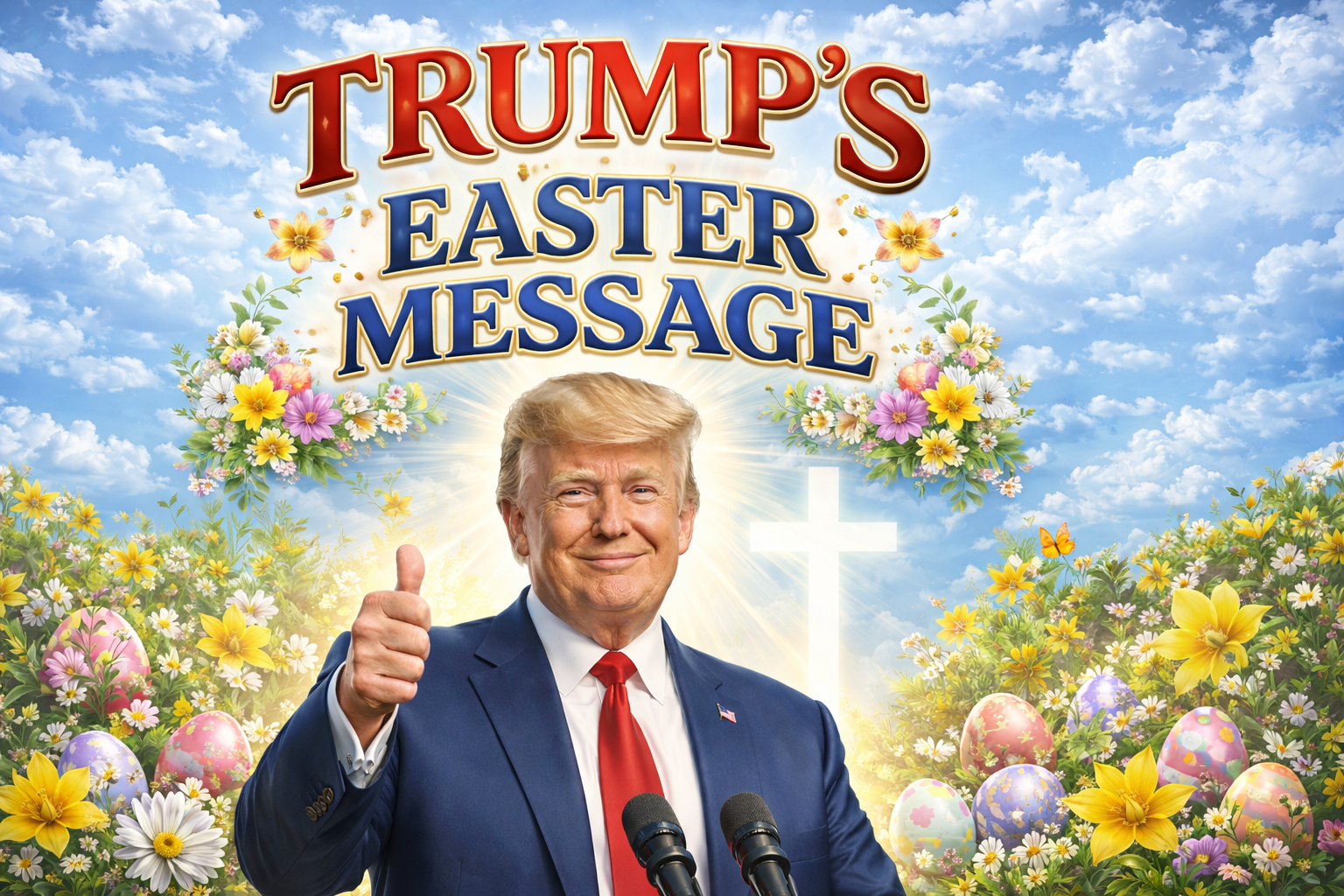
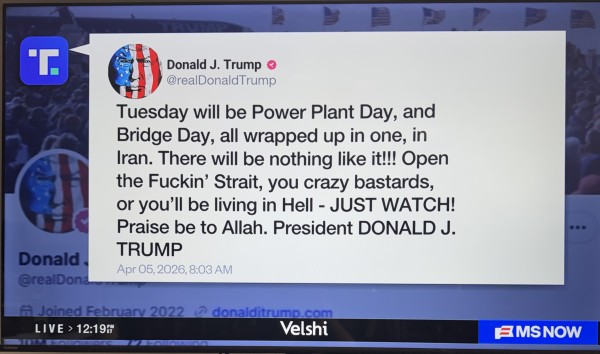
Trump’s Easter 2026 message this morning (shown below) was another reminder—one of many—that his words, behavior, and posture should give Christians pause, not comfort. Reading Trump's message pushed me back to the Bible. I needed to revisit what it actually says about how Jesus of Nazareth lived and what he said. I wanted to envision how he might live if he were here in the United States today.
What emerges is a pattern that is difficult, if not impossible, to reconcile with the motivations and actions of today’s far-right Christian nationalists.
1. He Centered the Poor
Related stories
In 1st-century Roman Palestine, Jesus:
- Spoke of the “kingdom of God” as good news for the poor
- Identified with laborers, peasants, and debtors
- Warned against hoarded wealth
- Declared, “Blessed are the poor”
Today, if he were living in the United States, based on what the Bible says about Jesus, he would likely:
- Stand with gig workers, warehouse workers, and the unhoused
- Challenge predatory lending, medical debt, and wage theft
- Expose systems that produce permanent precarity/poverty
- Speak plainly about wealth concentration and moral blindness at the top
He wouldn’t begin with the powerful. He would begin at the bottom.
2. He Challenged Religious Hypocrisy
Then:
- Criticized religious leaders for legalism without justice
- Condemned performative piety
- Centered mercy over ritual
Today:
He would likely:
- Confront churches that preach morality while ignoring racism, poverty, and violence
- Critique Christian nationalism and the fusion of faith with partisan power and wealth
- Question leaders who weaponize scripture to justify exclusion
He would not be gentle about it.
3. He Broke Social Barriers
Then:
- Ate with tax collectors and social outcasts
- Engaged women publicly in a patriarchal culture
- Crossed ethnic boundaries
Today:
He would likely:
- Build community across racial, immigration, and class lines
- Spend time in spaces society labels “undesirable”
- Treat migrants, incarcerated people, and stigmatized groups as moral equals
He would go where respectability politics tells you not to go.
4. He Confronted Empire (Nonviolently)
Then:
- Lived under Roman occupation
- Spoke of an alternative “kingdom”
- Was executed as a political threat
Today:
He would likely:
- Challenge militarism and endless war
- Question surveillance, incarceration, and state violence
- Critique policies that harm the vulnerable in the name of “law and order”
He would not lead an armed revolt. But he would expose the lie that domination produces peace -- that we can bomb our way to democracy.
5. He Reframed Power
Then:
- Taught that the greatest must serve
- Rejected domination as leadership
- Modeled authority through service
Today:
He would likely:
- Reject celebrity Christianity
- Avoid proximity to power for its own sake
- Elevate grassroots leadership over hierarchy
He would distrust power that lacks accountability.
6. He Formed Intentional Community
Then:
- Gathered a small, diverse group
- Shared meals regularly
- Taught through everyday stories/parables
Today:
He would likely:
- Build participatory, relational communities
- Use storytelling to reveal injustice
- Prioritize connection over institutional branding
The movement would be relational before it was institutional.
7. He Used Provocative Language
Then:
- Spoke in parables that unsettled listeners
- Used exaggeration to challenge complacency
- Reversed expectations
Today:
He would likely:
- Disrupt comfortable narratives
- Expose language that masks harm
- Challenge cultural myths about success and virtue
He would not be subtle. He would be precise.
8. He Elevated the Marginal as Moral Teachers
Then:
- Made outsiders the heroes of his stories
- Praised a poor widow over wealthy donors
- Centered children as moral examples
Today:
He would likely:
- Amplify voices from communities most harmed by policy
- Treat the marginalized as indicators of societal health
- Argue that the fate of the least powerful reveals the fate of the whole
That pattern would be unmistakable.
9. He Refused to Be Co-opted
Then:
- Resisted being made a political king
- Avoided alignment with power factions
- Stayed rooted in his mission
Today:
He would likely:
- Resist capture by any political party
- Challenge both left and right when they compromise human dignity
- Refuse to reduce his message to ideology
He would not fit neatly into anyone’s coalition.
10. He Exposed Structural Harm Through Personal Encounters
Then:
- Used individual encounters to reveal systemic injustice
- Made invisible suffering visible
Today:
He would likely:
- Tell stories that expose racism, inequality, and mass incarceration
- Force attention onto those society ignores
- Insist that policy debates are about real human lives
He would make denial impossible.
Closing
Taken together, these patterns present a consistent picture:
A faith rooted in justice, mercy, and truth—not comfort, power, wealth or exclusion.
And that is precisely where the tension lies.
Because when measured against this standard, much of what passes today as “Christian” political identity bears little resemblance to the life and teachings of Jesus.
Comments

Powered by RoundtableAn AI/DeFi-powered Enterprise Media Operating System. Learn more at Roundtable.io.© Roundtable 2026. By using this site you agree to the Terms of Use and Privacy Policy